Choosing a 2 Door Electric Truck in 2026 requires more than comparing battery size or advertised range. Global buyers need a practical view of work demands, charging access, payload, cabin space, and after-sales support. A compact two-door truck may suit farms, construction sites, city deliveries, and utility fleets. However, the best choice depends on local roads, climate, load weight, and daily distance.
This guide examines the leading options for international buyers through measurable, real-world criteria. We consider battery capacity, usable range, charging speed, towing ability, ground clearance, safety equipment, and driving comfort. A truck that performs well in warm urban traffic may lose efficiency in freezing weather or on steep rural roads. Range is not everything. Payload matters.
Manufacturer specifications provide a useful starting point, but independent testing and owner feedback can reveal important gaps. Tire wear, charging reliability, software support, and replacement-part availability often affect long-term value. These details matter. Buyers should also confirm regional certification, warranty coverage, charging compatibility, and service capability before placing an order. Requirements vary widely between markets, and published information can become outdated quickly.
The models discussed here are not ranked by appearance alone. Each vehicle is assessed for a specific working environment, budget, and ownership expectation. Some may offer impressive acceleration but limited cargo practicality. Others may deliver a longer range while requiring slower charging infrastructure. That trade-off deserves attention. A careful comparison helps buyers avoid expensive assumptions and select an electric truck that performs beyond the showroom.
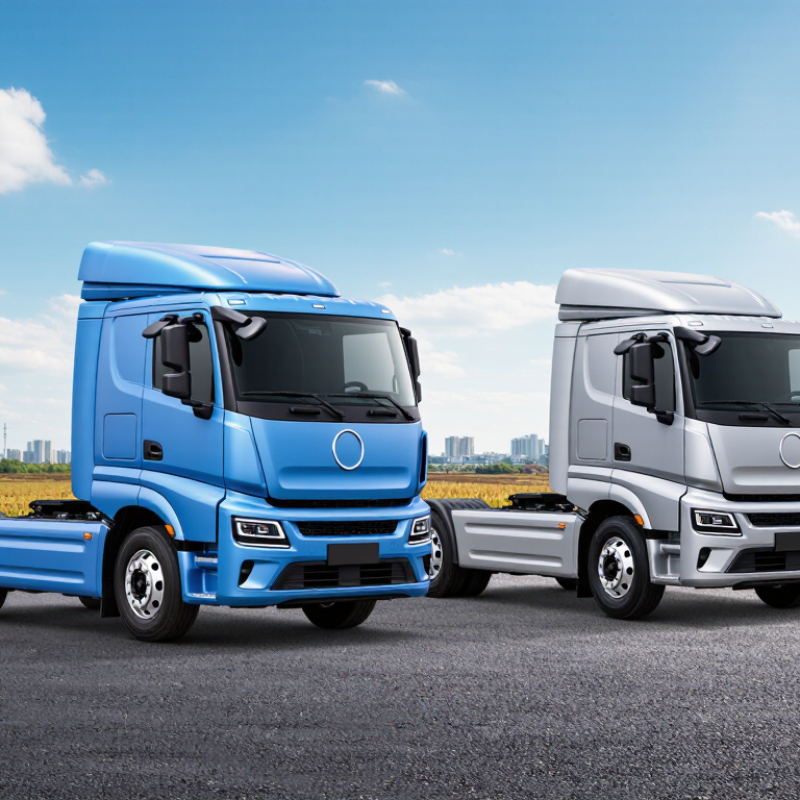
A two-door electric truck is built around practical access, compact dimensions, and useful cargo space. Its single-row cabin usually leaves more room for a longer bed or stronger utility equipment. This layout suits contractors, farms, service crews, and buyers who rarely carry rear passengers.
A capable 2026 model should offer clear payload and towing figures, not vague performance claims. Battery capacity matters, but usable range matters more. A loaded bed, steep roads, cold weather, and strong air conditioning can reduce driving distance. Published range is not a promise. Real testing is essential.
Charging performance also defines the vehicle. A reliable truck should support common charging standards across its target markets. Buyers should check voltage compatibility, connector availability, and local grid conditions before ordering. Home charging may be simple in one country and difficult in another.
Safety must include advanced braking support, stable handling, and strong visibility around the short cabin. Ground clearance and sealed electrical components are important for muddy worksites. Service access matters too. A brilliant truck becomes frustrating when trained technicians or replacement parts are unavailable.
I would inspect the bed floor, tie-down points, suspension response, and charging cable length during a real demonstration. These details often reveal more than a polished brochure. Some buyers may prefer a larger battery, but extra weight can reduce payload. That trade-off deserves careful thought.
Two-door electric trucks are gaining attention among global buyers seeking compact work vehicles. Their shorter cabins improve visibility on narrow streets and crowded construction sites. Many 2026 models combine a flat load floor, high ground clearance, and selectable drive modes. A practical test should include uneven roads, tight turns, and repeated stop-and-go driving. Range is not everything.
Battery capacity, payload, and charging speed can differ sharply between markets. A truck advertised with strong range may perform differently in cold weather, heavy rain, or steep terrain. Buyers should check local charging standards, service coverage, warranty terms, and certified safety equipment. These details often matter more than a large display screen. Cabin storage also deserves attention, especially when only two seats are available.
Worksite experience suggests that simple controls and washable materials remain valuable. A strong electric motor can provide smooth low-speed torque, but excess power may reduce efficiency and tire life. Some models sacrifice rear visibility for cargo space, creating a real daily compromise. That weakness should not be ignored. Independent road tests, verified payload figures, and regional approval documents offer more reliable evidence than promotional claims. Global buyers may also need to compare battery repair access and software support before ordering.
For global buyers, the strongest two-door electric trucks balance work capacity with practical road performance. Compact work trucks may offer 280 to 360 kilometers of real-world range. Larger models can reach 400 to 550 kilometers under moderate loads. Cold weather, steep roads, and air conditioning can reduce those figures noticeably. Range claims need independent testing.
Payload commonly sits between 700 and 1,200 kilograms. Heavy-duty versions may carry more, but buyers should check axle limits and local certification. Towing ratings often range from 1,500 to 3,500 kilograms. A trailer brake system improves control, especially on wet mountain roads. Yet maximum towing usually cuts driving range sharply. Do not judge capacity from the headline number alone.
Performance depends on battery size, motor output, and traction control. A useful 2026 model should provide quick low-speed response, stable handling, and predictable braking. A 0-to-100 km/h figure matters less than uphill control with a loaded bed. Testers should measure energy use at highway speed, not only in ideal city traffic. Some published specifications remain optimistic. That deserves caution. Buyers should compare verified payload tests, charging time, warranty terms, and service access in their own market. A vehicle that charges rapidly but lacks local technical support may create costly downtime.
2026 Top 2 Door Electric Trucks for Global Buyers
Global Market Comparison: Prices, Availability, and Regulations
Two-door electric trucks remain a focused segment, mainly serving commercial fleets and urban operators. Indicative 2026 pricing ranges from about US$30,000 to US$55,000 before taxes, shipping, and local incentives. Lower prices usually reflect smaller batteries, basic cabins, and limited charging equipment. The IEA’s Global EV Outlook 2024 reported that electric truck sales more than doubled in 2023, although adoption remained uneven across regions.
Availability differs sharply. North America offers stronger access to larger pickups, while Europe has more compact work-oriented vehicles. Several Asian markets provide lower-cost models, but export support, right-hand-drive production, and spare-parts coverage may be limited. A practical buyer should request battery warranty terms, payload figures, and charging compatibility in writing. Brochure range can disappoint in cold weather or under heavy loads.
Regulatory approval is equally important. Vehicles entering the European Union generally require type approval, including battery safety under UNECE Regulation No. 100. The United States applies Federal Motor Vehicle Safety Standards, while other markets may require local testing and documentation. Import duties can alter the final price considerably. The ICCT has also noted that charging access and grid capacity remain major barriers for commercial electrification. That finding matters at a job site. A two-door truck may fit a narrow city depot, yet its daily route can still fail without reliable overnight charging. Data quality is not perfect, especially for small manufacturers and emerging markets. Buyers should verify certification directly with customs authorities and approved testing agencies.
2026 Top 2 Door Electric Trucks for Global Buyers
How to Choose the Right Two-Door Electric Truck
Choosing a two-door electric truck starts with the job, not the dashboard. Measure your usual load, route length, road surface, and parking space. A compact cab may suit farms, warehouses, and urban deliveries. It can feel cramped during long shifts. That trade-off is easy to underestimate.
Check the usable battery capacity, not only the advertised range. Cold weather, steep roads, heavy cargo, and air conditioning can reduce range noticeably. Ask for charging times at realistic temperatures. Confirm whether the vehicle supports local charging standards and the voltage available at your site. A durable battery warranty, clear service terms, and accessible replacement parts matter more than a glossy screen.
Payload and towing figures require careful reading. Some ratings depend on specific configurations, tire choices, or trailer brakes. Request written test data and verify local registration requirements before ordering. Examine ground clearance, turning radius, water protection, and braking performance. During a practical inspection, place your real tools in the bed. Check whether the doors open beside a wall and whether the charging port remains reachable.
Do not ignore the workday experience. Seat adjustment, storage, visibility, and cabin heating affect productivity. A low purchase price may become expensive if service support is distant. I would also leave a margin for uncertainty; early calculations are often too optimistic. A short route test with cargo can reveal more than a long brochure.