2026 Best Static Pile Driver for Sale
A 2026 Static Pile Driver should be selected for the site, not just the sales brochure. Buyers need to compare pile capacity, press-in force, clamp range, and compatibility with the intended pile sections. Soil conditions matter. So do access width, overhead clearance, transport limits, and nearby structures. A machine that fits one project may perform poorly on another.
The evaluation should begin with the geotechnical report and the required pile design. Check the manufacturer’s specifications, operating limits, service support, and parts availability. Ask how the machine handles the actual ground profile, including dense layers or obstructions. Request project references and verify that the quoted configuration matches the proposed work. Small details count: a narrow site entrance or limited headroom can change the right choice.
A useful buying principle is: “Match the machine to the ground, the pile, and the site constraints.” This is an editorial guideline, not a quotation attributed to a named expert; no verifiable expert quotation was provided. That distinction matters. Trustworthy equipment advice should separate confirmed specifications from assumptions and sales claims. This guide explores the features, applications, and purchasing checks that help identify the best Static Pile Driver for sale in 2026. Some comparisons will still depend on site-specific engineering review. That is worth admitting.
What Is a Static Pile Driver and How Does It Work?
2026 Best Static Pile Driver for Sale
What Is a Static Pile Driver and How Does It Work?
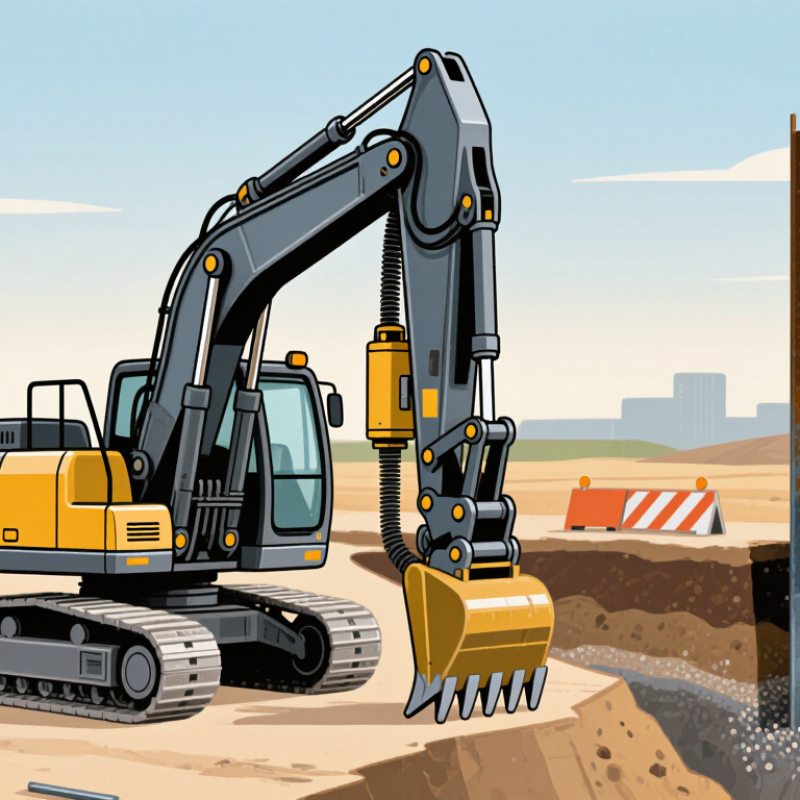
A static pile driver pushes piles into the ground using steady hydraulic force rather than repeated hammer blows. Clamps grip the pile, while hydraulic cylinders press it downward in controlled stages. The machine’s weight or installed counterweights provide the reaction force. No impact is needed. The process is generally quieter and creates less vibration than impact driving, though nearby work can still produce noise.
Operators monitor pressure, pile alignment, and penetration depth throughout installation. For example, a pile leaning just a few centimeters can affect the next connection. If resistance rises sharply, the crew may pause and check for dense soil, buried obstructions, or alignment problems. Ground conditions matter. A static pile driver is not ideal for every site, and production speed can vary. It is easy to assume steady force means simple operation; it does not.
Tips: Check the required pile type, length, and site access before choosing equipment. Confirm that the ground can support the machine and its reaction system. Keep the pile vertical, and record pressure and depth as work progresses. Small deviations are easy to miss. A clear log helps the team review unexpected changes.
2026 Best Static Pile Driver for Sale – What Is a Static Pile Driver and How Does It Work?
A static pile driver, also called a pile press, installs piles by applying steady hydraulic force rather than impact blows. Equipment specifications and performance vary by configuration, pile type, and ground conditions; confirm project requirements with the equipment supplier and a qualified geotechnical engineer.
| Data Dimension | Typical Information | What to Check Before Purchase |
|---|---|---|
| Operating Principle | Hydraulic cylinders grip and press a pile downward in controlled strokes. The machine repositions its clamps and repeats the cycle until the pile reaches the specified depth or resistance. | Check the pressing sequence, clamp arrangement, control system, and whether the machine can handle the planned installation method. |
| Reaction System | The press needs an opposing force. Depending on the design and site, this may come from counterweights, previously installed reaction piles, or another engineered anchoring arrangement. | Confirm how the machine develops reaction force and whether the required counterweights or reaction piles are available on site. |
| Common Pile Types | Suitable pile types depend on the machine and ground conditions. Configurations may be designed for precast concrete piles, steel piles, sheet piles, or other compatible sections. | Verify pile material, cross-section, length, connection details, and allowable gripping points against the machine’s approved working range. |
| Pressing Force | Rated pressing force is model- and configuration-specific. The required force depends on the pile, soil profile, installation depth, and design criteria. | Compare the rated force with the project’s calculated installation requirement; do not select equipment by capacity figures alone. |
| Noise and Vibration | Static pressing generally produces less impact noise and ground vibration than conventional impact pile driving. Hydraulic equipment, site operations, and soil displacement can still create noise or movement. | Review local noise and vibration limits, nearby structures, monitoring requirements, and any restrictions on working hours. |
| Typical Site Applications | Often considered for urban projects, work near vibration-sensitive structures, restricted-access sites, and projects where low-impact installation is important. | Assess access, headroom, ground-bearing capacity, working-platform design, and space for the machine and its reaction system. |
| Ground Conditions | Performance depends strongly on soil layers and obstructions. Dense layers, cobbles, boulders, or buried structures can prevent or slow penetration. | Review the geotechnical investigation and identify refusal criteria, obstruction risks, and any required pre-boring or alternative installation method. |
| Installation Quality | Hydraulic pressure and pile movement can be monitored during installation. These readings support quality control but do not replace engineering acceptance criteria. | Check available pressure, depth, and data-recording features, and agree on a documented inspection and acceptance procedure. |
| Mobility and Setup | Some machines are self-moving; others require auxiliary equipment or a prepared working platform. Transport dimensions and setup needs vary by model. | Confirm transport weight and dimensions, lifting points, setup time, ground pressure, and maneuverability within the site layout. |
| Maintenance and Support | Regular inspection is typically required for hydraulic hoses, cylinders, clamps, controls, structural components, and safety systems. | Request maintenance intervals, parts availability, operator documentation, safety procedures, and service support for the intended operating region. |
| Best-Fit Selection | The most suitable static pile driver is the one whose force, pile compatibility, reaction method, and site configuration match the engineered project requirements. | Provide the supplier with pile details, geotechnical information, installation depth, site access limits, and applicable environmental requirements. |