Top 10 Benefits of Fiber Laser Cutting Machines for Buyers?
In the competitive landscape of manufacturing, the need for precision and efficiency is critical. Fiber laser cutting machines have emerged as game changers, offering remarkable advantages for buyers. According to a recent report by the International Society of Automation, fiber laser technology can enhance cutting precision by 50% compared to traditional methods. As Joe Thompson, a leading expert in laser technology, states, "The future of manufacturing lies in the efficiency of fiber laser cutting machines."
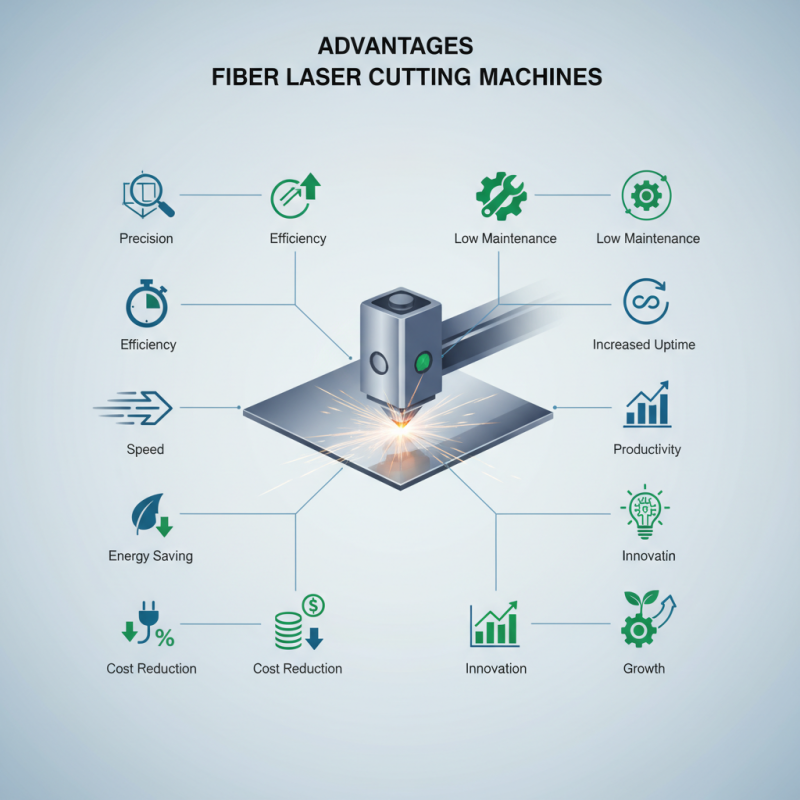
These machines are not only faster but also more energy-efficient. They use up to 60% less power, which is a significant reduction in operational costs. Additionally, fiber laser cutting machines require minimal maintenance, leading to decreased downtime. This is vital for manufacturers aiming to maximize productivity in today’s fast-paced market.
However, some buyers might overlook the initial investment costs associated with these advanced technologies. It's important to weigh the long-term savings and benefits against upfront expenses. Understanding these factors can lead to more informed purchasing decisions. Embracing fiber laser cutting technology can drive innovation and growth, but it requires careful consideration.
Overview of Fiber Laser Cutting Technology
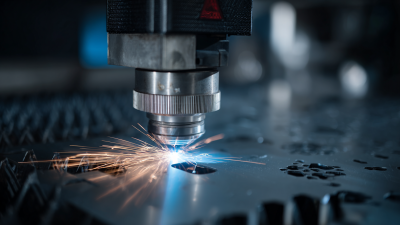
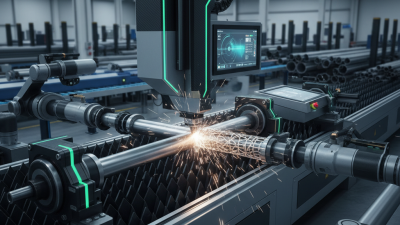
Fiber laser cutting technology represents a significant advancement in the manufacturing industry. Unlike traditional cutting methods, this technology uses high-intensity lasers to achieve precision. It works by focusing beams of light to create extreme temperatures. This allows for clean and accurate cuts in various materials, including metal and plastic.
One of the key advantages of fiber lasers is their efficiency. They require less energy to operate compared to CO2 lasers. This results in lower operating costs over time. Additionally, the speed at which fiber lasers cut can enhance productivity. Businesses may find they can complete more projects in less time.
However, there are challenges to consider. For example, fiber lasers can have limitations with thicker materials. The technology may also require a skilled operator. Understanding the nuances of laser settings is crucial for optimal performance. Manufacturers may need time to adjust to this advanced technology. Investing in training can enhance overall outcomes.
Key Advantages of Fiber Laser Cutting for Manufacturers
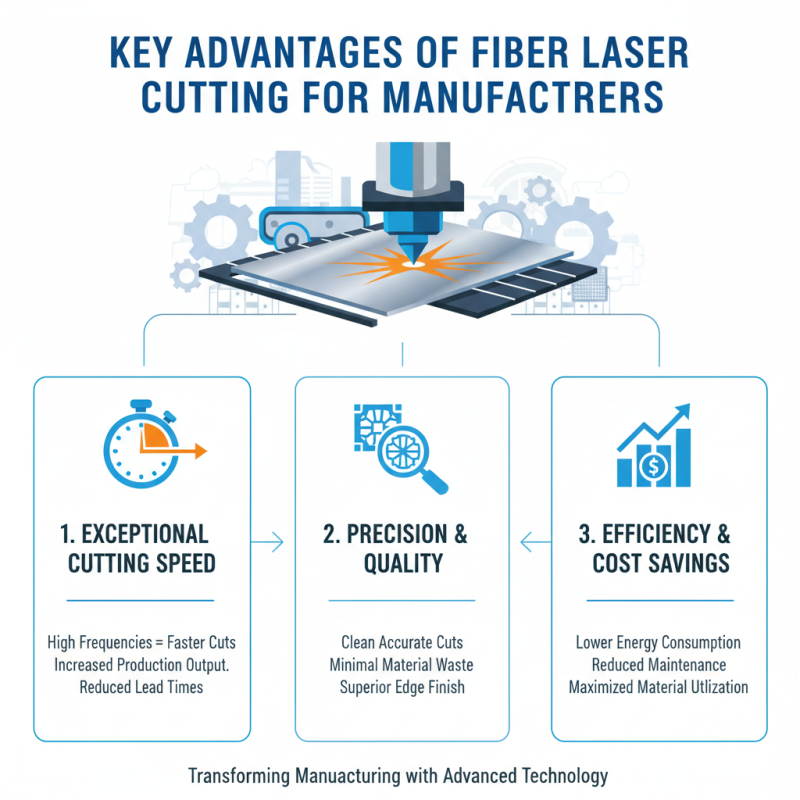
Fiber laser cutting technology has transformed the manufacturing landscape. It offers significant advantages that resonate with manufacturers seeking efficiency and precision. One primary benefit is the exceptional cutting speed. Fiber lasers operate at high frequencies, enabling faster cuts. This speed translates to increased production output and reduced lead times.
Another key advantage is the remarkable precision these machines provide. Fiber lasers produce cleaner cuts with minimal kerf width. This accuracy reduces material waste, leading to cost savings. Manufacturers can create intricate designs without compromising quality. Furthermore, fiber lasers work well on various materials, including metals and plastics. This flexibility allows businesses to expand their service offerings and cater to diverse customer needs.
Cost efficiency is an essential consideration. Although the initial investment in fiber laser technology can be high, the energy efficiency of fiber lasers reduces operational costs over time. They consume less electricity compared to traditional laser systems. Maintenance is also less frequent, leading to lower downtime. Manufacturers must weigh these factors, ensuring they choose the right technology for their operations. Balancing initial costs with long-term gains is crucial for sustainable success in a competitive market.
Cost-Effectiveness of Fiber Laser Systems
The cost-effectiveness of fiber laser systems stands out in the manufacturing industry. Research indicates that these machines can reduce operational costs by up to 30% compared to traditional methods. This reduction stems from their efficiency in energy consumption and minimal material wastage. A report by the International Journal of Advanced Manufacturing Technology highlights that fiber lasers use about 75% less energy than alternative cutting technologies, translating into significant savings over time.
Moreover, fiber laser cutting systems often require less maintenance, further driving down costs. Some studies suggest that the maintenance costs for fiber lasers can be 50% lower than those for CO2 lasers. This reliability is a crucial factor for buyers looking to maximize ROI. While the initial investment in fiber laser technology can be higher, the long-term benefits often outweigh this cost. For instance, manufacturers can achieve lower production costs and quicker turnaround times, which can lead to increased competitiveness in the market.
Despite these advantages, it's essential for buyers to evaluate their specific needs. The adaptability of fiber laser systems means they may not always be the best fit for every application. Conducting a thorough cost-benefit analysis is vital before making a transition. In some cases, buyers may need to invest in training to fully harness the technology's potential, adding to initial costs.
Precision and Quality Benefits of Fiber Laser Cutting
Fiber laser cutting machines excel in precision and quality, crucial for many industries. The technology uses focused laser beams to achieve intricate cuts with minimal material wastage. This efficiency is essential for producing complex designs in metals, plastics, and other materials.
One major advantage is the exceptional accuracy these machines provide. They can cut through various materials with a tolerance of +/- 0.1 mm. This level of precision is vital when manufacturing parts that must fit perfectly, such as in aerospace or automotive production. However, not every machine achieves the same results. Some operators may need training to maximize the technology's potential.
Additionally, fiber laser cutting machines deliver clean edges. The reduced heat-affected zone ensures minimal distortion and better surface finishes. This quality reduces post-processing work, saving both time and costs. Still, achieving the perfect cut may require adjustments and maintenance. Users must be willing to invest time in optimizing their settings to sustain quality over time.
Environmental Impact and Sustainability of Fiber Laser Machines
Fiber laser cutting machines have significant environmental advantages. They consume less energy compared to traditional laser systems. This reduction in energy use translates into lower carbon emissions. Efficient energy consumption is a key factor in promoting sustainability. Additionally, many fiber lasers utilize recyclable materials, contributing to an eco-friendly manufacturing process.
When considering the purchase of a fiber laser cutting machine, think about waste reduction. These machines produce less scrap material during cutting. This not only saves costs but also minimizes environmental impact. Reducing material waste is crucial in promoting a circular economy. A machine that optimizes material use is beneficial for both profits and the planet.
Tips: Always assess the energy efficiency ratings when selecting a machine. Research companies that prioritize sustainability in their manufacturing. By making informed choices, buyers can contribute positively to the environment. Every small step towards eco-friendliness counts significantly in this industry.