What Is the Best CHLF Pump in 2026?
Choosing the best Chlf Pump in 2026 is less about finding one standout model and more about matching a pump to its real operating conditions. CHLF pumps are commonly described as horizontal, multistage centrifugal pumps, but specifications can differ between manufacturers. Check the product datasheet rather than relying on the model name alone. No universal winner exists.
This guide compares the details that shape a sound choice: required flow, total head, fluid temperature, wetted materials, motor rating, and seal design. A pump that looks suitable on a product page may perform poorly if its duty point falls outside the recommended operating range. Small details matter. For example, a stainless-steel body does not automatically mean every internal component suits every fluid. Confirm material compatibility with the supplier.
Installation and ownership deserve equal attention. Consider pipe connections, available space, noise, energy use, maintenance access, and replacement-part availability. Request the performance curve and check that it covers your expected operating range. Clear warranty terms and responsive technical support also help distinguish a reliable purchase from a risky guess. One limitation is worth admitting: public specifications may not reveal long-term reliability, and advertised efficiency alone cannot settle the question. The sections ahead explain how to compare CHLF Pump options, assess manufacturer claims, and narrow the shortlist for your system—without treating one model as best for every application.
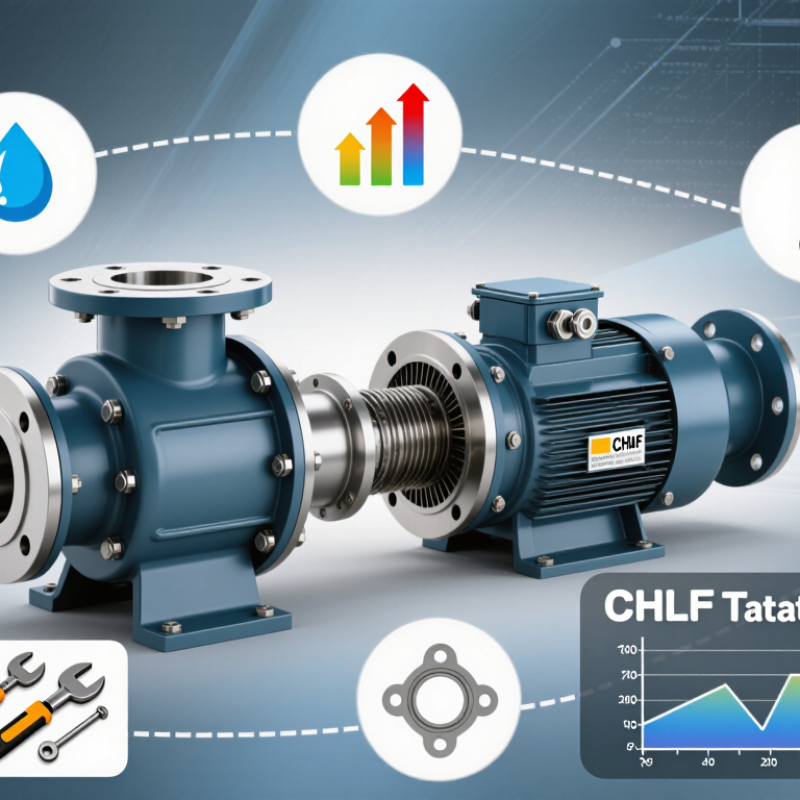
What a CHLF Pump Is and How Its Multistage Design Works
A CHLF pump is generally a horizontal, multistage centrifugal pump used for clean-water service; exact configurations can vary. A motor turns a shaft carrying several impellers. Water enters the first stage, gains speed, then passes through a diffuser that converts part of that motion into pressure. It then enters the next stage. Each stage adds head, while flow usually remains broadly similar. More stages can therefore serve systems needing greater pressure, such as elevated buildings or long pipe runs. Small details matter.
The U.S. Department of Energy’s Improving Pumping System Performance sourcebook estimates that pumping systems use nearly 20% of global electricity, and 25–50% of energy in some industrial operations. This is a broad estimate, not a CHLF-specific figure, but it shows why correct sizing matters. In practice, check required flow, total head, liquid temperature, and suction conditions against the pump curve. A unit selected only by its outlet size may run inefficiently or struggle to deliver the expected pressure. Multistage construction also does not guarantee good performance: worn seals, air in the line, or operation far from the design point can undermine it. The diagrams look tidy. Real installations are less tidy.
Which Performance Specifications Matter Most When Choosing a CHLF Pump?
Choosing the best CHLF pump in 2026 begins with its duty point: the flow rate and total head your system actually needs. Maximum ratings can look impressive but may not match everyday operation. Check the pump curve at your expected flow, including pipe friction, elevation, and pressure losses. Peak figures can mislead.
Efficiency matters because pumps can run for years. The U.S. Department of Energy’s Improving Pumping System Performance report estimates that pumping systems use nearly 20% of the world’s electrical energy. Compare efficiency at your operating point, not only at peak performance. Also check motor input, and make sure the pump’s required net positive suction head fits the available suction conditions. The Hydraulic Institute’s ANSI/HI 9.6.1 guidance addresses NPSH margins. Small details matter.
Match wetted materials and seals to the liquid’s temperature and chemistry. Confirm pressure rating, voltage, frequency, connection size, and expected starts per hour. A common selection mistake is treating “more flow” as automatically better; I would still double-check that assumption against real demand. For variable demand, consider whether speed control is appropriate, and assess the full operating range. Keep the system curve and pump curve together during review. That check is easy to skip, but it can reveal an oversized or inefficient selection before installation.
How to Compare CHLF Pump Models by Flow Rate, Head, and Materials
What Is the Best CHLF Pump in 2026?
The best CHLF pump is the model that meets your actual duty point, not simply the one with the highest rated flow. Compare required flow with total head, including vertical lift and pipe friction. A long pipe run with several elbows can add meaningful resistance. Check the manufacturer’s pump curve and locate your operating point; avoid choosing from a maximum-flow figure alone. The U.S. Department of Energy’s Improving Pumping System Performance sourcebook estimates that pumping systems use nearly 20% of global electricity. Small efficiency differences can matter over long operating hours.
Materials should match the liquid, temperature, and maintenance conditions. For clean water, a standard metal casing may be suitable; corrosive fluids or chloride exposure may call for more resistant wetted parts. Check the impeller, shaft, and mechanical seal too. One material choice does not protect every component. When comparing models, request material specifications rather than relying on a broad label such as “stainless steel.”
Compare efficiency at your expected flow, then verify suction conditions and the pump’s recommended operating range. Keep the duty point near the efficient part of the curve, where practical. Ask for performance data at your actual head and flow. It is easy to miss this detail when comparing catalog tables. If conditions vary, allow for that variation, but do not oversize without checking the effect on energy use and control.
Which CHLF Pump Best Fits Different Applications in 2026?
For clean-water pressure boosting in homes or small buildings, choose a CHLF pump by matching its flow and head to the number of outlets used at once. A compact unit may suit a single shower or wash station, while a larger building may need higher flow and a suitable pressure-control system. Check the pump curve, not just the maximum figures on a product sheet.
For equipment circulation or light irrigation, consider operating hours, pipe length, fittings, and water temperature. These details affect real-world performance. CHLF-style multistage pumps are generally intended for clean liquids, so they are not a good fit for water carrying sand or fibrous debris. Confirm material compatibility and temperature limits in the current technical documentation. I would avoid choosing by horsepower alone. It can be misleading.
Tips: Measure the required flow and pressure before buying. Check inlet conditions, electrical supply, and available installation space. Leave room for maintenance. A little uncertainty is normal; if demand changes through the day, ask a qualified pump technician to verify the duty point.
How to Assess Efficiency, Reliability, and Service Support Before Buying
Choosing the best CHLF pump in 2026 starts with the actual duty point, not the largest flow figure on a product sheet. Compare the pump curve with your required flow and head, then check efficiency near that operating point. Numbers need context. Ask for test data, motor details, and allowable operating ranges. A pump running far from its best-efficiency point may use more power and wear faster. Also check fluid temperature, viscosity, and suction conditions; small differences can change performance.
Tips: Request a curve for the exact model and impeller size. Compare energy use over expected annual hours, not just purchase price. Check whether the quoted noise and vibration figures come from a defined test setup. Keep the documents.
Reliability depends on more than construction material. Look for clear maintenance intervals, accessible seals and bearings, and published limits for pressure and temperature. Ask what spare parts are normally stocked and how quickly technical support responds. A useful supplier should explain installation requirements and help diagnose operating problems, not just send a brochure. Service promises can sound reassuring, though response times should be confirmed in writing. I would still leave room for doubt: real site conditions rarely match a perfect test bench.