Best Concrete Plant Options for Global Buyers?
In the ever-evolving construction industry, selecting the right Concrete Plant is crucial. A well-chosen Concrete Plant can significantly enhance productivity and efficiency. Different buyers from various regions have unique needs. Understanding these needs can help navigate the complex market.
Concrete Plants come in various types, each with distinct advantages. For example, batching plants offer precision, while mobile plants provide flexibility on-site. However, challenges arise in choosing the right option. Factors such as budget, location, and intended use must be considered. Buyers often find themselves overwhelmed by the available choices.
As the demand for high-quality concrete grows, global buyers must remain informed. Researching suppliers and exploring innovative technologies can lead to better decisions. Additionally, reflecting on past experiences can offer valuable insights. Buyers should ask questions and seek expert advice to avoid costly mistakes. Making an informed choice is essential for success in this competitive field.
Types of Concrete Plants Available for Global Buyers
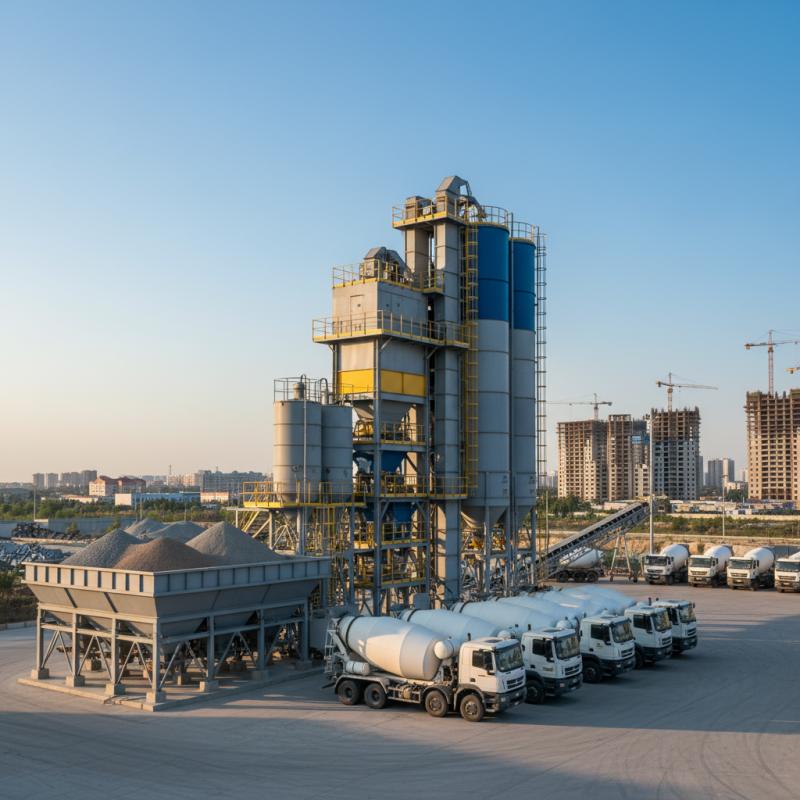
When exploring concrete plant options, global buyers encounter a range of types catering to diverse needs. The primary types include stationary, mobile, and compact concrete plants. According to industry reports, the global Concrete Batching plant market is projected to grow significantly, with a CAGR of around 5% from 2021 to 2026, driven by increasing infrastructure projects worldwide.
Stationary concrete plants dominate large construction sites, providing high production capacity. They often require significant investment and are less flexible. On the other hand, mobile concrete plants offer the advantage of portability. Their ability to be set up quickly makes them ideal for smaller projects or remote locations. Compact plants are gaining popularity due to their space-saving designs and efficiency.
Tips: Assess the project scale before selecting a plant type. Analyze your production needs carefully. Do not overlook maintenance costs, which can affect your operations over time. Consider modular systems that offer the flexibility to expand as needs change. Always evaluate the total cost of ownership, not just the initial investment, to ensure long-term reliability and performance.
Key Features to Consider When Choosing a Concrete Plant
When choosing a concrete plant, several key features should be carefully evaluated. Production capacity is crucial. Plants may range from small-scale setups capable of producing 20 cubic meters per hour to large facilities exceeding 100 cubic meters. According to the Global Concrete Market Report, the demand for ready-mix concrete is expected to grow by 5% annually through 2026. Buyers should consider their specific needs based on ongoing projects.
Sustainability is another factor worth noting. Many plants now incorporate eco-friendly technologies. These technologies reduce carbon emissions and utilize recycled materials. Some studies suggest that plants adopting green practices may reduce operational costs by up to 25%. Potential buyers must weigh these benefits against the initial investment for sustainable equipment.
Flexibility in operation is also important. Different projects require varied concrete mixes. Therefore, a good plant should offer customization options. Furthermore, ease of maintenance plays a vital role in operational efficiency. Regular maintenance prevents breakdowns, which can cause delays in projects. Understanding these aspects can ensure that buyers make informed decisions when investing in concrete plants.
Top Manufacturers of Concrete Plants Worldwide
When considering concrete plant options, global buyers should focus on manufacturers with a solid track record. These companies often have years of experience in the industry. They understand market demands well. It’s vital to examine their technological advancements, as reliable machinery improves efficiency. High-quality equipment can reduce production costs over time.
One factor to consider is the support provided by manufacturers. Strong customer service is essential for troubleshooting and maintenance. Companies that prioritize customer relationships often foster loyalty within the industry. However, not all manufacturers meet such standards. Buyers should conduct diligent research on their reputations. Online reviews and case studies can shed light on their reliability. Engaging with industry peers can also offer valuable insights into the best options available.
Sustainability is another key aspect. Manufacturers are increasingly focusing on eco-friendly practices. These can include energy-efficient operations and recycling initiatives. While many companies claim to prioritize the environment, their actual practices vary. Rigorous scrutiny is necessary to ensure that these claims are backed by genuine actions. Evaluating their commitment to sustainability can lead to more informed purchasing decisions.
Cost Considerations for Purchasing a Concrete Plant
Investing in a concrete plant requires careful financial consideration. The initial costs can vary significantly based on factors such as plant capacity and location. A recent industry report highlighted that the average cost for setting up a mid-sized concrete plant ranges from $300,000 to $600,000. Additional expenses, such as land acquisition and utilities, can add another 20% to the total investment.
Operating costs also play a crucial role. According to statistics, energy and raw materials account for up to 60% of the total operational expenses. For instance, the price of cement—one of the primary ingredients—can fluctuate based on regional supply and demand. Buyers need to factor in these variable costs to avoid unexpected budget overruns. Monitoring market trends can help mitigate some of these risks, but it also requires diligent research.
Financing options are another aspect worth considering. Many buyers finance the purchase through loans or leasing. Research indicates that interest rates can significantly impact overall expenditures, influencing decisions on size and type of equipment. Choosing the wrong financing strategy can lead to higher total costs over time. Thus, it’s essential to analyze different scenarios before making a commitment.
Environmental Regulations Affecting Concrete Plant Operations
Environmental regulations significantly impact concrete plant operations worldwide. Regions are adopting stricter rules to curb pollution and reduce emissions. These regulations often require significant investment in technology and equipment upgrades.
Many concrete plants face challenges in meeting these standards. Some facilities struggle with outdated machinery that is less efficient. Upgrades can be costly. However, failing to adapt may result in fines or operational restrictions. In many cases, plants must rethink their production processes.
The regulatory landscape is not static. Continuous changes in laws can influence operational strategies. Knowledge of these regulations is crucial for long-term planning. The dynamics of compliance may lead to temporary disruptions. Companies must balance cost with environmental responsibility. This evolving situation presents opportunities for innovation in sustainable construction practices.