Best UV Flatbed Printers for Global Buyers in 2026?
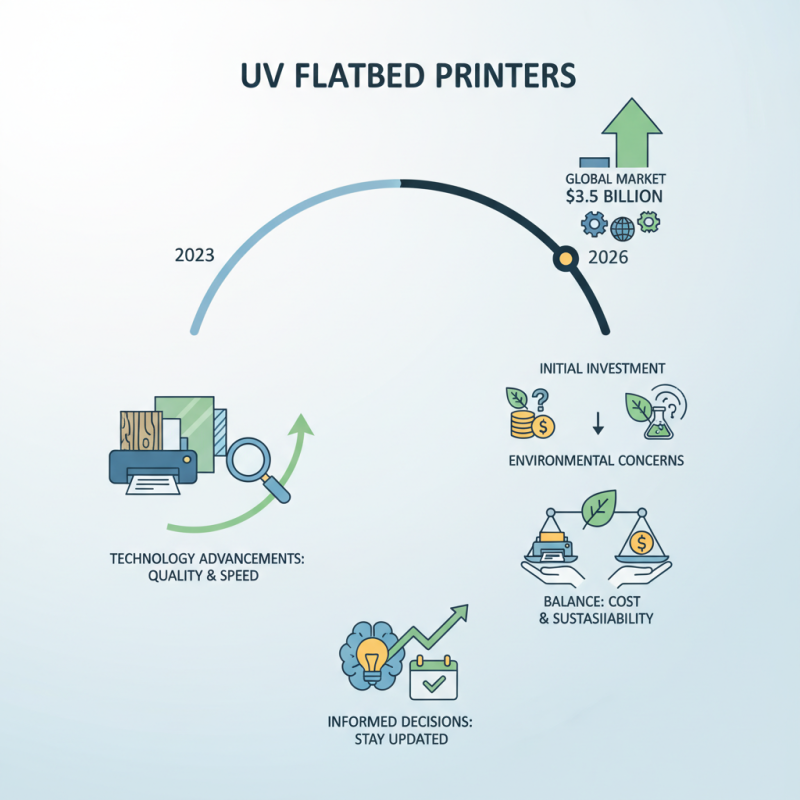
The UV Flatbed Printer market is rapidly evolving, driven by increasing demand across various industries. According to industry reports, the global market for UV printers is expected to reach $3.5 billion by 2026, reflecting a CAGR of about 6%. This growth is fueled by the technology's ability to print on diverse materials, such as wood, glass, and plastic. Manufacturers are investing in advanced technologies to meet consumer needs, enhancing print quality and speed.
However, challenges remain. The initial investment for UV Flatbed Printers can be significant, deterring smaller businesses. Moreover, environmental concerns about UV inks have prompted discussions regarding sustainability. Innovators in the industry are called to address these aspects. They must find solutions that balance print quality with eco-friendliness.
Ultimately, potential buyers must navigate these complexities carefully. They need to consider production needs alongside cost and environmental impact. Educating oneself about the latest advancements will help make informed decisions. For those looking to invest in UV Flatbed Printers in 2026, staying updated on industry trends is crucial. This preparation is key to ensuring successful purchases that align with evolving market demands.
Overview of UV Flatbed Printers and Their Benefits
UV flatbed printers have revolutionized the printing industry, offering unique benefits for various applications. These machines can print directly onto a wide range of materials, including wood, glass, metal, and acrylic. Recent industry reports suggest that the global UV flatbed printer market is expected to grow by 15% annually, driven by increased demand in packaging and signage sectors. The versatility of these printers allows businesses to cater to customized orders, which enhances their competitive edge.
Moreover, UV flatbed printers utilize UV light to cure ink instantly, creating durable prints that withstand fading and scratches. This feature makes them ideal for both indoor and outdoor applications. According to a study conducted by Smithers Pira, UV printing technology can reduce energy consumption by up to 30% compared to traditional methods. Despite these advantages, some users have reported challenges with initial setup costs and ongoing maintenance. These considerations highlight the importance of thorough research before making a purchase.
Incorporating advanced technology, UV flatbed printers also improve production speeds, making them appealing for high-volume tasks. However, it's essential to note that not all materials react well to UV inks, resulting in potential quality inconsistencies. Understanding these nuances is vital for users aiming to optimize their printing operations. As the industry evolves, staying informed about technological advancements will become increasingly important for making informed purchasing decisions.
Key Features to Consider When Choosing a UV Flatbed Printer
When selecting a UV flatbed printer, several key features play a crucial role. The printing resolution matters greatly. Higher resolutions yield finer details. Look for printers that can reach at least 1200 dpi for superior quality. Speed is also vital, particularly for businesses with tight deadlines. Consider the output per hour to ensure it meets your production needs.
Another important aspect is the versatility of materials the printer can handle. Quality UV flatbed printers work well on diverse surfaces, from wood to glass and metal. In addition to compatibility, check the ink types they use. Some inks offer better durability and weather resistance. Furthermore, an easy-to-use interface can enhance productivity. A user-friendly design reduces training time and errors during operation.
Lastly, evaluate the machine's maintenance and support options. Regular maintenance can prolong the printer's lifespan. Consider if the manufacturer provides accessible customer service and replacement parts. These factors can save time and costs. Despite ongoing advancements, no machine is perfect. Investigate user reviews for real-world insights; they often reveal common issues and troubleshooting tips.
Top UV Flatbed Printer Brands and Models for 2026
As the market for UV flatbed printers grows, 2026 is set to showcase remarkable advancements. The best models will combine speed, quality, and versatility. Buyers can expect improved print heads that enhance color vibrancy. Look for printers with a wider color gamut for better results on various materials.
When selecting a UV flatbed printer, consider your specific needs. Assess the types of surfaces you plan to print on. Some printers excel with rigid materials, while others are designed for flexible media. It's crucial to find a model that aligns with your projects.
Tips: Research customer reviews to gauge reliability. Understand the operational costs associated with maintenance. Investing in training for your team can yield significant returns. A skilled operator can maximize the printer's capabilities. Balancing quality and cost is essential; always weigh the features against your business requirements.
Best UV Flatbed Printers for Global Buyers in 2026
| Model | Print Size (mm) | Print Resolution (dpi) | Speed (m²/h) | Ink Type | Price ($) |
| Model A | 2500 x 1300 | 1200 | 30 | UV Curable | 15,000 |
| Model B | 3100 x 2000 | 1440 | 25 | Eco-Solvent | 20,500 |
| Model C | 2400 x 1200 | 600 | 35 | Latex | 10,000 |
| Model D | 4000 x 2500 | 1200 | 20 | UV Curable | 25,000 |
| Model E | 2200 x 1000 | 720 | 40 | Solvent | 8,500 |
Market Trends Influencing UV Flatbed Printer Purchases Globally
The demand for UV flatbed printers is rising steadily. Businesses are increasingly recognizing their potential. One key trend is the shift towards sustainability. Companies seek printers with eco-friendly ink options. They want to reduce their carbon footprint. This consideration influences purchase decisions significantly.
Another trend is customization. Consumers desire unique designs and products tailored to their needs. UV flatbed printers offer the flexibility to print on various materials. Businesses can create items that stand out in a crowded market. However, this customization can lead to complexity. Not all companies are equipped to manage these unique requirements effectively.
Lastly, integration with digital technologies is shaping the market. Businesses want printers that work seamlessly with other digital tools. This streamlining can enhance production efficiency. However, the rapid pace of technological advancement can be overwhelming. Not all companies can keep up with the latest innovations. Market players must reflect on their capabilities and readiness to adapt.
Buying Considerations for International Customers in 2026
When considering UV flatbed printers, international buyers should keep several critical factors in mind. Current market reports indicate a steady growth rate of 5% annually in the UV printing sector. This growth is driven by increasing demand for versatility and speed in printing on various surfaces. Buyers should assess their specific needs, including the materials they plan to print on. Common options include wood, metal, and glass. Each material requires unique ink formulations and curing processes, influencing printer selection.
Additionally, the total cost of ownership is vital. Beyond the initial purchase price, consider maintenance costs, replacement parts, and ink expenses. Industry surveys reveal that maintenance can account for up to 20% of the printer's total lifetime cost. Buyers also need to evaluate the availability of technical support and training resources. Many users face challenges in adapting to new technologies, which can hinder productivity. Engaging with manufacturers that provide comprehensive support can mitigate these issues, ensuring smoother operation and enhanced results.
Sustainability is another pressing concern. Environmental regulations are tightening globally. Printers that utilize eco-friendly inks may provide an advantage in compliance and marketability. Assessing energy consumption is important too. Some printers can significantly reduce operational costs with energy-efficient designs. Adopting a multi-faceted evaluation approach will help international buyers make informed decisions that align with both current trends and future needs.