How to Choose the Best CNC Plasma Cutter for Your Needs in 2025
In the rapidly evolving landscape of metal fabrication, selecting the right CNC plasma cutter is crucial for enhancing productivity and precision in cutting operations. By 2025, the CNC plasma cutting market is projected to grow significantly, with a compound annual growth rate (CAGR) of over 5%, according to recent industry reports. This growth is largely driven by the increasing demand for high-speed cutting solutions and automation in various sectors, including automotive, aerospace, and construction. Thus, understanding how to choose the best CNC plasma cutter tailored to your specific needs is more important than ever.
As manufacturers place greater emphasis on efficiency and cost-effectiveness, the specifications and features of CNC plasma cutters have become more sophisticated. Key metrics, such as cutting speed, maximum thickness, and ease of operation are critical considerations for businesses looking to invest in this technology. Additionally, advancements in plasma cutting technology, including the use of high-definition plasma systems, have led to improved cut quality and reduced operational costs, making it essential for prospective buyers to stay informed about the latest innovations in CNC plasma cutter equipment. By evaluating these factors, users can ensure they select a machine that not only meets their current requirements but also positions them for future success in a competitive marketplace.
Understanding the Basics of CNC Plasma Cutters and Their Features
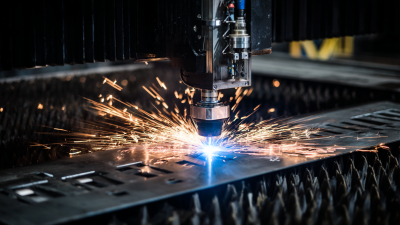
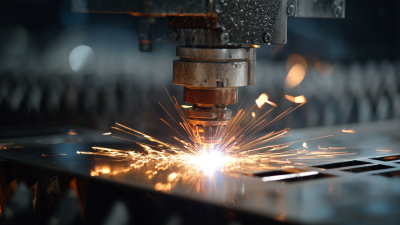
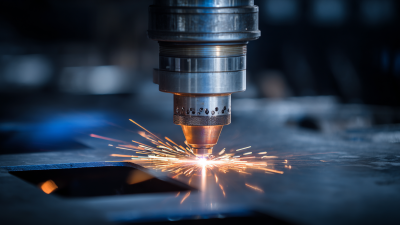
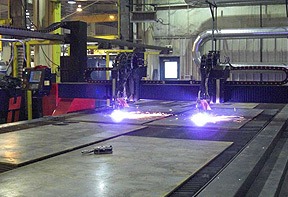
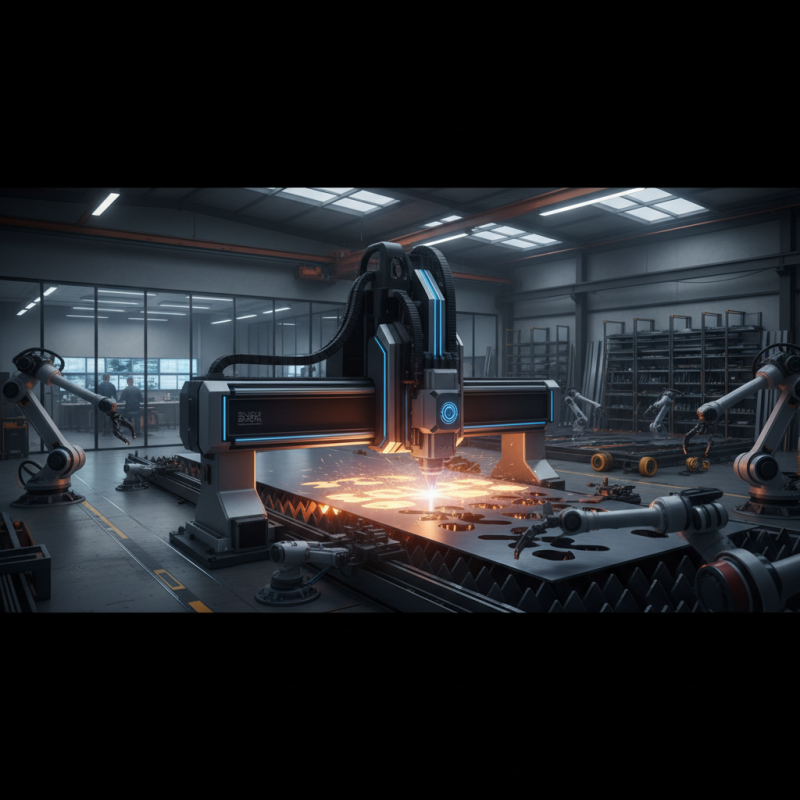
CNC plasma cutters are advanced tools that harness the power of high-temperature plasma to cut through various materials with precision and ease. At their core, these machines use a plasma torch that ionizes gas and creates a high-velocity stream of plasma, enabling them to slice through metals with accuracy. Understanding the basic components of CNC plasma cutters, such as the cutting table, control interface, and automated systems, is essential for anyone looking to invest in this technology.
When evaluating different CNC plasma cutter models, consider key features that can impact performance and usability. The thickness and type of materials you plan to cut, the cutter's power supply, and the level of automation are critical factors. Additionally, look for features like programmable cut profiles, adjustable cutting speeds, and integrated software tools that facilitate design and operation. By grasping these fundamentals, you can make an informed decision that aligns with your specific cutting needs and operational environment in 2025.
Identifying Your Specific Cutting Needs and Applications
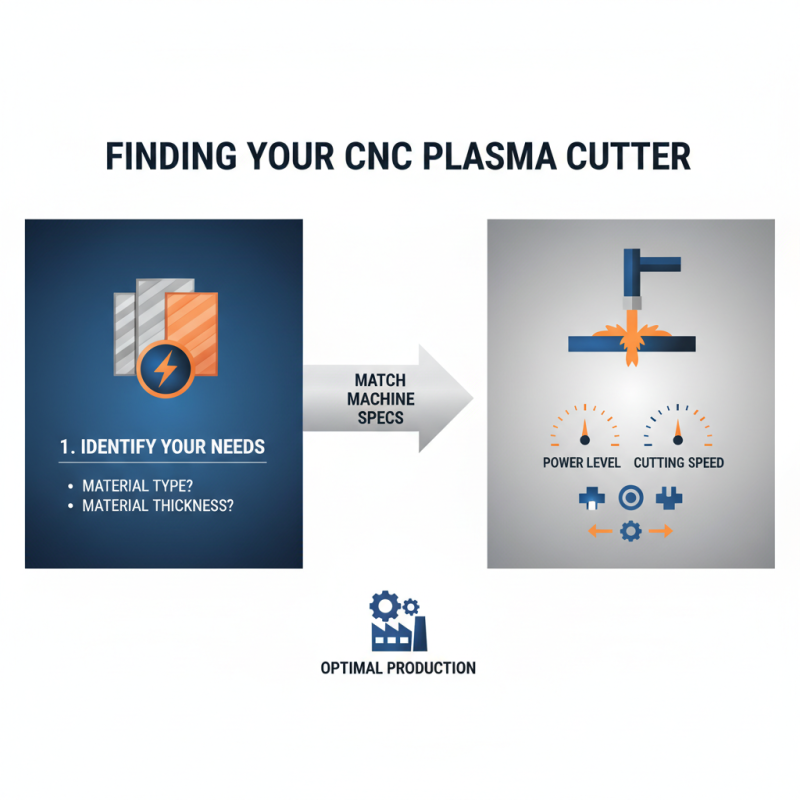
When selecting the best CNC plasma cutter for your specific needs, the first crucial step is to thoroughly identify your cutting requirements and applications. Consider the types of materials you will be working with, such as steel, aluminum, or copper, as different materials require varying power levels and cutting speeds. Additionally, evaluate the thickness of the materials you intend to cut, as this will directly impact the machine's power capacity and nozzle size specifications. Understanding these aspects will help you narrow down your options to machines that can effectively cater to your production demands.
Another important factor to consider is the complexity and precision of the cuts you need to make. If your projects involve intricate designs or tight tolerances, look for a plasma cutter that offers advanced features such as high-definition cutting and enhanced automation capabilities. Furthermore, consider your workspace dimensions and how portable you need the equipment to be. Budget constraints may also dictate the level of technology and features you can afford, so striking a balance between cost and capability is essential. By drilling down into your specific cutting needs and applications, you will be better equipped to choose a CNC plasma cutter that aligns seamlessly with your operational goals.
Comparing Different Brands and Models in the Market
When choosing the best CNC plasma cutter for your needs in 2025, it's crucial to compare various brands and models available on the market. Each manufacturer offers unique features tailored to different applications, whether you are a hobbyist working on small projects or a professional engaged in heavy industrial cutting.
Key factors to consider include cutting thickness capability, speed, and precision, as well as the type of plasma technology utilized. Additionally, evaluate the ease of use, software compatibility, and customer support provided by the brand, as these can significantly affect your experience.
Another important aspect of comparison is the overall build quality and portability of the machines. Some models are designed for stationary use in workshops, while others emphasize portability, making them suitable for on-site jobs. Look for reviews and user testimonials to gauge the reliability and performance of the equipment over time.
Furthermore, assess the availability of replacement parts and consumables, as these can impact long-term maintenance costs and machine uptime. By carefully considering these elements, you can make a well-informed decision that aligns with your specific cutting requirements and budget.
Evaluating Key Specifications and Performance Metrics
When choosing the best CNC plasma cutter for your needs in 2025, evaluating key specifications and performance metrics is crucial to ensure optimal functionality and efficiency. One of the primary specifications to consider is the cutting thickness and speed. Higher amperage levels typically allow for cutting through thicker materials, while faster cutting speeds can enhance productivity. It’s important to match these specifications with the materials you plan to work with, such as steel, aluminum, or stainless steel, to gauge the machine's effectiveness in various applications.
Another essential metric to assess is the precision and quality of the cut. Features like bevel cutting, dross levels, and kerf width will significantly affect the final output. Plasma cutters equipped with advanced controls and technology provide better arc stability and refined cutting quality, resulting in reduced material waste and cleaner edges. Additionally, consider the software compatibility and user interface, as these can greatly influence the ease of operation and the learning curve required for effective use.
Budgeting and Cost Considerations for Purchasing a CNC Plasma Cutter
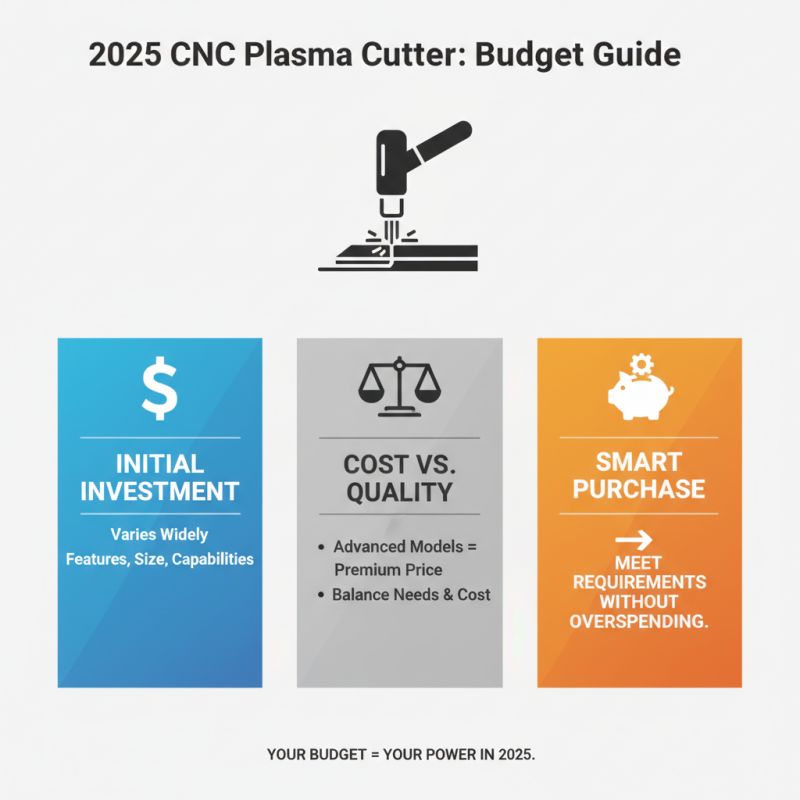
When considering the purchase of a CNC plasma cutter in 2025, one of the most significant factors to evaluate is your budget. The initial cost of the machine can vary widely based on features, size, and capabilities. It's essential to determine how much you are willing to invest without compromising your operational needs. In general, more advanced models with higher cutting speeds and better precision will come at a premium. However, it’s wise to balance quality and cost, ensuring you select a machine that meets your requirements without overspending.
In addition to the upfront costs, potential buyers should also factor in ongoing expenses related to maintenance, consumables, and operational costs. Plasma cutting requires gases and abrasives, which can add to your budget in the long run. Calculating these expenses as part of your total cost of ownership will help you gain a comprehensive understanding of what you’ll be spending over the lifespan of the machine. It’s also beneficial to explore financing options or discounts for bulk purchases, which can alleviate some of the financial pressure upfront and provide a more manageable path toward ownership.