How to Choose the Best Water Jet Cutting Machine in 2026?
In the rapidly evolving world of manufacturing, selecting the right water jet cutting machine can be a daunting task. According to industry expert, Dr. Emily Carter, “The right machine can make a significant difference in precision and efficiency.” This insight highlights the critical importance of making an informed choice.
As technology advances, features and specifications of water jet cutting machines are continuously improving. Buyers must consider factors like cutting speed, material compatibility, and maintenance requirements. A skilled operator should prioritize features that enhance versatility and simplify operation.
Choosing a water jet cutting machine without understanding your production needs can lead to costly mistakes. Many businesses invest in high-end models only to struggle with their complexity. Reflecting on machine usability and reliability should be a priority. An informed decision will not only enhance productivity but also optimize operational cost in the long term.
Understanding Water Jet Cutting Technology and Its Applications
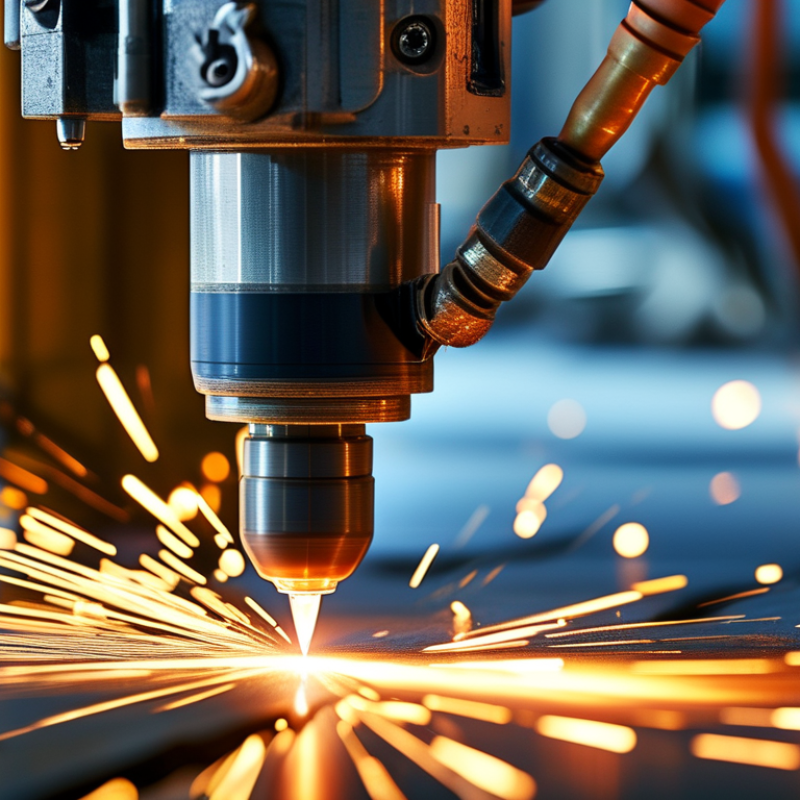
Water jet cutting technology offers versatility in various industries. It utilizes high-pressure water mixed with abrasives to cut materials. This method is effective on metals, ceramics, glass, and even food. The precision achieved is remarkable, allowing intricate designs that traditional cutting methods struggle with.
One benefit is minimal thermal distortion. The cutting process generates less heat, which preserves the integrity of sensitive materials. However, this technology isn't without challenges. The initial investment can be high, and operational costs may fluctuate. Maintenance is essential to prevent wear on parts, impacting performance over time.
Users often report a learning curve with software and machine operation. Mastering these systems requires training and experience. Proper setup and calibration remain critical for optimal results. Reflection on these points can help operators avoid potential pitfalls and enhance their understanding of water jet technology.
How to Choose the Best Water Jet Cutting Machine in 2026? - Understanding Water Jet Cutting Technology and Its Applications
| Feature |
Description |
Importance |
Typical Range |
| Cutting Speed |
The speed at which the machine can cut through materials. |
High |
10-30 m/min |
| Thickness Capacity |
Maximum thickness of material that can be cut. |
High |
1-200 mm |
| Water Pressure |
The pressure of the water used in cutting. |
High |
30,000 - 100,000 psi |
| Water Jet Type |
Type of water jet (abrasive or pure). |
Medium |
Abrasive / Pure |
| Control System |
The type of control system used to operate the machine. |
High |
CNC / Manual |
| Footprint |
Space required for the machine installation. |
Medium |
2-10 m² |
| Safety Features |
Safety mechanisms embedded within the machine. |
High |
Varies by manufacturer |
Key Features to Consider in a Water Jet Cutting Machine
When selecting a water jet cutting machine in 2026, several key features should be prioritized. First, look at the cutting speed. A faster machine can save time and improve productivity. However, it's essential to balance speed with cutting quality. Machines that cut too quickly may not offer precise results. Therefore, seek out models that demonstrate both efficiency and accuracy in their specifications.
Another crucial aspect to consider is the type of pump used in the machine. High-pressure pumps provide better performance, yet they can be more expensive to maintain. Regular maintenance and part replacements can be a hidden cost. You must weigh the initial investment against future expenses. Additionally, look for machines that offer easy access to components for maintenance purposes. This accessibility can save you time and ensure consistent operation.
The software accompanying the machine is often overlooked but is vital. User-friendly interfaces can greatly enhance the experience for operators. A complicated software system can lead to mistakes and lost time. Consider machines that allow easy adjustments and offer training resources. The robustness of the software will influence overall effectiveness. Balancing these features will help you make an informed decision in a rapidly evolving market.
Evaluating the Performance and Precision of Different Models
When evaluating the performance and precision of water jet cutting machines, several factors come into play. Performance metrics include cutting speed, accuracy, and material compatibility. Recent data from industry reports indicate that modern machines can achieve precision levels of +/- 0.005 inches. This precision is crucial for industries like aerospace and automotive, where even minor errors can lead to significant setbacks.
Additionally, cutting speed can vary widely among models. Some advanced machines operate at speeds exceeding 300 inches per minute. However, higher speeds might compromise the quality of the cut. It is essential to balance speed with precision, particularly when working with delicate materials. Understanding the specific requirements of the materials you work with allows for better machine selection.
Tips: Always check the machine’s tolerance levels. Don’t forget to consider the type of abrasives used. Regular maintenance is key to maintaining performance. Machines can be expensive, so invest wisely based on your specific needs. Assess user reviews and industry comparisons for real-world insights. Remember, what works well for one application might not fit another. Test cuts can provide valuable feedback.
Cost Analysis: Budgeting for Your Water Jet Cutting Machine
When budgeting for a water jet cutting machine in 2026, consider total costs. The initial purchase price is essential, but you need to look beyond that. Installation fees, maintenance expenses, and operational costs add up. A machine’s efficiency impacts your long-term savings. A low-cost option might lead to higher operational costs over time.
Examine the specifics of your budget. Calculate potential costs based on your production needs and materials. For instance, if you require precision cuts in thicker materials, expect to invest more upfront. It's crucial to weigh performance against cost. You might find that higher-priced machines yield better performance, reducing waste and downtime.
Reflect on your facility's infrastructure as well. Upgrading or modifying your space may incur additional costs. Consider energy consumption as well. Machines with higher energy efficiency can save money in the long run. Balancing all these factors can be challenging. Stay informed and consult with experts to make the best choice for your needs. Your investment today shapes your operational capacity tomorrow.
Cost Comparison of Water Jet Cutting Machines in 2026
This chart compares the costs of three different categories of water jet cutting machines for the year 2026. It provides insight into the budget required for entry-level, mid-range, and high-end machines.
Selecting a Reliable Manufacturer and After-Sales Support
When selecting a water jet cutting machine, manufacturer reliability and after-sales support are paramount. A recent industry study revealed that over 30% of users experience operational issues within the first year due to inadequate support. Choosing a manufacturer with a proven track record can significantly mitigate these risks. Look for companies that have been in the industry for at least a decade. They often possess the knowledge needed to address complex problems.
Moreover, evaluate the quality of after-sales support. Many manufacturers provide standardized service packages, but these often fall short. A survey indicated that 45% of users were dissatisfied with response times. Reach out for customer testimonials or case studies detailing support experiences. It's also essential to assess warranty options. A comprehensive warranty demonstrates a manufacturer's commitment to quality and customer care.
Finally, consider the availability of spare parts. Industry trends show that a machine's longevity depends on easy access to components. Many users have faced prolonged downtimes due to parts shortages. Reliable manufacturers often have efficient supply chains to ensure parts availability. This characteristic is a strong indicator of a manufacturer’s reliability and dedication to client satisfaction.