Why Choose the Right Auto Fuel Line Fittings for Your Needs?
Choosing the right Auto Fuel Line Fittings is crucial for vehicle performance. Quality fittings enhance fuel efficiency and safety. In the automotive industry, studies show that improper fittings can lead to fuel leaks, increasing risks by 30%. This statistic highlights the importance of selecting the correct components.
Many overlook the significance of fitting materials. Rubber and metal options greatly affect durability and compatibility with fuel types. A report from the Automotive Engineering Society reveals that 25% of engine failures are linked to substandard fuel line fittings. Therefore, research is essential.
Installation errors can also occur. Incorrect fitting sizes may lead to pressure loss or damage. A shocking 15% of users admit to confusion in fitting selection. It indicates a gap in knowledge that could have serious implications. Taking time to understand auto fuel line fittings ultimately leads to improved vehicle reliability and performance.
Understanding the Importance of Auto Fuel Line Fittings in Vehicles
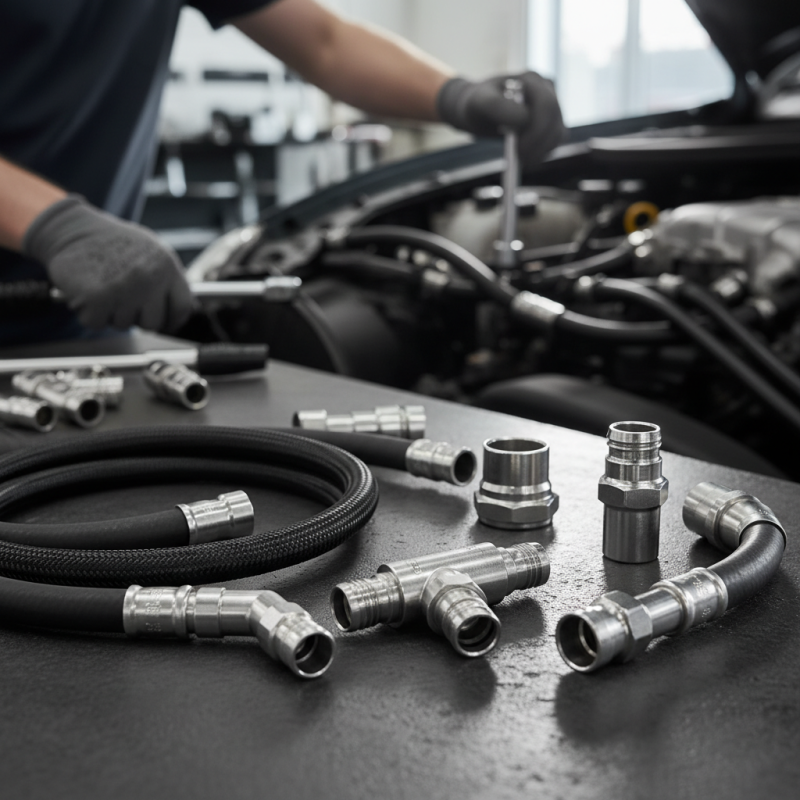
Auto fuel line fittings play a critical role in vehicle performance and safety. They connect fuel lines to various components, ensuring proper fuel flow. Choosing the right fittings is vital for avoiding leaks and ensuring that your engine runs smoothly. Inadequate or incompatible fittings can lead to serious issues. Understanding the specific needs of your vehicle is essential to select the correct fittings.
When considering fuel line fittings, check compatibility with fuel types. Some materials may not withstand certain fuels well. Inspect for signs of wear and tear regularly. Neglecting this can lead to leaks or even fire hazards. Proper fitting maintenance cannot be overlooked. Fuel line fittings should be inspected periodically for cracks or corrosion.
Tip: Always consult your vehicle's manual for accurate specifications. This can save you time and money down the line. Invest in quality fittings, as they impact engine performance. Think twice before cutting corners. Your vehicle’s safety depends on these small but significant parts.
Why Choose the Right Auto Fuel Line Fittings for Your Needs?
| Dimension | Material | Application | Pressure Rating | Temperature Range |
| 5/16 inch | Nylon | Gasoline Vehicles | 60 psi | -40 to 120 °C |
| 3/8 inch | Aluminum | Diesel Vehicles | 75 psi | -30 to 130 °C |
| 1/4 inch | Rubber | Small Engines | 50 psi | -20 to 100 °C |
| 1/2 inch | Stainless Steel | High-Performance Vehicles | 100 psi | -50 to 150 °C |
Types of Auto Fuel Line Fittings and Their Specific Applications
Choosing the right auto fuel line fittings is crucial for vehicle performance. There are various types, each with unique applications. For example, metal fittings, often used in high-pressure fuel systems, can withstand extreme conditions. According to a study from the Society of Automotive Engineers (SAE), personnel must ensure proper fitment to avoid leaks, which can be hazardous.
Plastic fuel line fittings are common in lighter vehicles. They’re favored for their resistance to corrosion and ease of installation. However, they do have limitations. They may degrade under high temperatures or harsh chemicals. The Automotive Industry Action Group (AIAG) reports that improper material selection can lead to system failures, causing expensive repairs.
Another option is rubber fittings. They are flexible and can absorb vibrations. This makes them ideal for older vehicles or performance modifications. Yet, rubber can wear out quickly. Regular inspections are necessary to maintain performance. Understanding these nuances helps in selecting suitable fittings for specific applications. Each choice must be evaluated based on the vehicle's needs.
Factors to Consider When Choosing Auto Fuel Line Fittings
Choosing the right auto fuel line fittings can significantly impact your vehicle's performance. There are several factors to keep in mind. First, understand the compatibility of materials. Different fuels may require specific materials. Using the wrong fitting could lead to leaks or corrosion.
Another key factor is fitting size. Ensuring a tight connection between components is critical. An incorrect size can create gaps, leading to fuel loss. Check the specifications of your vehicle. Always verify what sizes are needed for both inlet and outlet connections.
Consider pressure ratings as well. Low-pressure fittings may not hold up under higher demands. This can cause safety issues. Think about the environment too. Exposure to extreme temperatures or conditions can affect the durability of the fittings. It’s crucial to select products designed for your specific situations. Always remember that even minor oversights can lead to costly repairs later. Make informed decisions to keep your vehicle running smoothly.
Common Materials Used in Auto Fuel Line Fittings and Their Benefits
When selecting auto fuel line fittings, it's crucial to understand the materials available. Common options include rubber, nylon, and metal. Rubber is flexible and resistant to many types of fuels. It provides good vibration dampening. However, over time, it may degrade under extreme conditions.
Nylon fittings are lightweight and resistant to abrasion. They are compatible with various fuels and offer good chemical resistance. Yet, they can be prone to cracking if exposed to harsh environments. Metal fittings, such as aluminum or stainless steel, are incredibly durable and can withstand high pressures. They generally last longer but may add weight to your setup.
Tips: Always consider your specific environment when choosing materials. If you live in a region with temperature extremes, metal may be a better choice. Inspect your fittings regularly for signs of wear. Preventative maintenance can save you from larger issues down the road.
Common Materials Used in Auto Fuel Line Fittings and Their Benefits
This chart illustrates the common materials used in auto fuel line fittings along with their benefits. Understanding these materials can help you choose the right fittings for your auto fuel lines.
Maintenance Tips for Auto Fuel Line Fittings to Ensure Longevity
Proper maintenance of auto fuel line fittings is crucial for vehicle longevity. Regular inspections help prevent costly repairs. Look for signs of wear, corrosion, or leaks. These issues can compromise fuel efficiency. Clean fittings regularly to remove dirt and debris. Use a gentle brush or cloth to avoid damaging the surface.
Pay attention to the material of your fittings. Different materials have varying resistance to fuel types. Rubber fittings may degrade faster than metal ones. Ensure you replace them when necessary. It’s essential to secure connections tightly. Loose fittings can lead to leaks, which are dangerous.
Incorporate a routine check during regular vehicle maintenance. Consider consulting a professional for advice. While DIY is tempting, expertise can prevent mistakes. Fuel line issues may go unnoticed until it’s too late. Take proactive measures for a safer driving experience.