How to Choose the Best Solar Panel Roof Mount System?
Choosing the best solar panel roof mount system can be challenging. With various options available, making an informed choice is vital. The right system maximizes energy efficiency and ensures durability. Optimal placement can significantly impact solar power generation.
A quality solar panel roof mount should fit your roof type and climate conditions. It must be reliable during severe weather while providing easy installation. Certain systems may require professional help, while others allow for DIY installation. Assessing the cost versus benefits is essential for long-term investment.
Many people overlook the importance of research. Reliable reviews and expert advice play key roles in decision-making. Take time to evaluate different materials and designs. A well-chosen solar panel roof mount can enhance your home’s value and lower energy bills. Consider your specific needs to find the perfect fit.
Understanding Solar Panel Roof Mount Systems
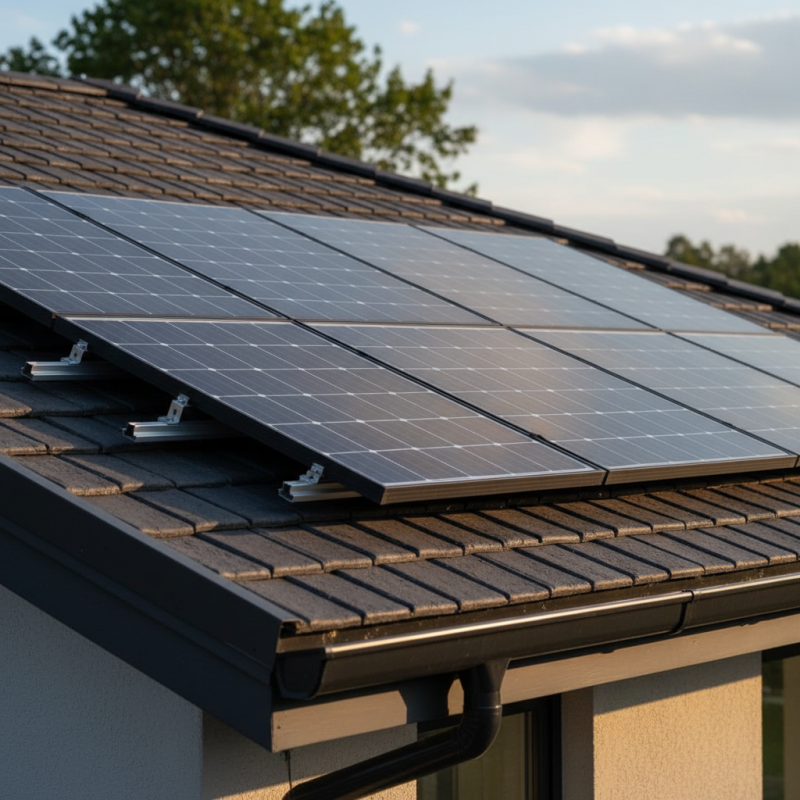
When exploring solar panel roof mount systems, understanding their types and features is crucial. Roof mounts can be fixed or adjustable. Fixed mounts are common and simple, allowing panels to remain in one position. Adjustable systems offer flexibility to optimize panel angles throughout the year.
According to a 2022 report by the Solar Energy Industries Association (SEIA), the efficiency of solar panels can be significantly impacted by their mounting systems. Systems that allow for tilting can increase energy production by up to 25%. This shows the importance of choosing the right mount based on location and sunlight exposure.
Many homeowners may overlook the durability of mounting systems. The selection of materials plays a vital role in their longevity. A report from the National Renewable Energy Laboratory (NREL) highlights that poorly installed mounts can lead to significant energy loss. Homeowners should consider professional installation to ensure optimal performance. It's essential to assess both current needs and future energy goals. A well-chosen system not only improves efficiency but can also enhance the overall aesthetics of your home.
Solar Panel Roof Mount System Comparison
This chart compares the efficiency of different solar panel roof mount systems: Fixed Mount, Adjustable Mount, and Tracking Mount. Higher efficiency indicates a better ability to capture solar energy, making tracking mounts the most efficient option.
Types of Roof Mount Systems for Solar Panels
When choosing a solar panel roof mount system, understanding the different types of mount systems is crucial. The primary options include fixed mounts, tilt mounts, and tracking mounts. Fixed mounts are the most common. They hold panels at a static angle. Tilt mounts allow for some angle adjustment, optimizing sun exposure. Tracking mounts move with the sun, maximizing energy capture throughout the day.
A key factor in selecting a mount system is the slope and orientation of your roof. The right mount can significantly impact energy efficiency. For instance, a flat roof may benefit from tilt mounts, while a standard sloped roof might work well with fixed mounts. Always consider local weather conditions, too. Heavy winds or snow loads can affect your choice.
Tips: Regularly inspect your mount system for wear. Look for loose bolts or corrosion. Ensuring everything is secure can prevent costly repairs later. Engage a professional for installation or maintenance. Their expertise is invaluable, especially for tracking systems, which can be complex. Remember, each home is unique. Reflect on your specific needs before making a decision. Your choice will play a vital role in your solar energy success.
How to Choose the Best Solar Panel Roof Mount System? - Types of Roof Mount Systems for Solar Panels
| Mount Type | Description | Cost (USD) | Installation Difficulty | Tilt Adjustment |
| Fixed Roof Mount | A simple and cost-effective mount, ideal for most flat or gently sloped roofs. | $500 - $1,000 | Easy | No |
| Adjustable Roof Mount | Allows for angle adjustments to optimize sunlight exposure, suitable for various roof types. | $800 - $1,500 | Moderate | Yes |
| Ballasted Roof Mount | Uses weight to secure panels on flat roofs, avoiding penetration through the roof membrane. | $1,000 - $2,000 | Difficult | No |
| Flush Roof Mount | Panels are mounted close to the roof surface for a sleek look and improved aerodynamics. | $600 - $1,200 | Easy | No |
| Ground Mount | Ideal for properties with ample land space; allows for optimal panel positioning. | $1,500 - $3,000 | Moderate | Yes |
Factors to Consider When Choosing a Mounting System
When choosing a solar panel roof mount system, several factors should be carefully considered. The type of roof you have greatly impacts your choice. Flat roofs and sloped roofs require different mounting solutions. Flat roofs may utilize ballast-mounted systems, while sloped roofs often opt for fixed tilt mounts. Understanding your roof’s structure is essential to ensure stability and longevity.
Another critical factor is the material of your roof. Asphalt shingles, metal, and tiles have varied compatibility with mounting systems. Some materials require specific mounting hardware to prevent leaks or damage. Consulting with professionals who understand roofing materials is advisable. They can provide guidance on the best practices for installation.
Lastly, local weather conditions cannot be overlooked. Areas prone to high winds or snow may require more robust mounting systems. Not all systems can withstand extreme weather. Researching local regulations and conditions will help you avoid costly mistakes. Lack of attention to these details can result in poor performance or damage to your home. Each choice you make impacts the efficiency and safety of your solar installation.
Installation and Maintenance of Solar Panel Roof Mounts
When installing solar panel roof mount systems, proper installation is crucial. Experts suggest that uneven mounting can lead to performance issues. According to a recent report by the National Renewable Energy Laboratory, misalignment can reduce system efficiency by up to 20%. Ensuring your mounts are level and securely fastened helps maximize energy absorption.
Regular maintenance is equally important. Debris accumulation on panels can block sunlight, decreasing output. A maintenance study conducted by EnergySage revealed that routine cleaning can enhance performance by nearly 15%. However, climbing onto the roof for cleaning poses risks. Homeowners should consider hiring professionals for these tasks, as safety is paramount.
Additionally, regularly checking for loose bolts and damaged parts can prevent future issues. Small repairs can save homeowners from larger costs later. Skipping inspections often leads to bigger problems down the line. Investing time in maintenance ensures longevity and efficiency of the solar panel system. It’s an ongoing commitment that pays off in energy savings and reliability.
Cost Analysis of Different Solar Panel Mount Options
When evaluating different solar panel roof mount systems, cost is a critical factor. There are several options available, each with its pros and cons. Some systems may have a higher upfront cost but can save money in the long run through increased efficiency. Others might appear affordable at first but may require more maintenance, which adds to the overall expenses.
For instance, a ground mount system can be advantageous for larger properties, as it often allows better sunlight exposure. However, installation costs can be significant. Similarly, a flush mount system is easy to install and generally cheaper. Yet, its effectiveness can be limited by roof orientation and pitch. Energy savings should be carefully calculated against these cost factors.
Consideration of installation and maintenance costs is crucial. Sometimes, the cheapest option doesn't always prove reliable. Ensure you analyze both initial expenses and potential long-term savings. Hidden costs can emerge if the system isn’t well-suited for your specific environment. Reflecting on these details will guide you toward the most sustainable choice for your solar energy needs.