What is a CNC Plasma Table and How Does It Work?
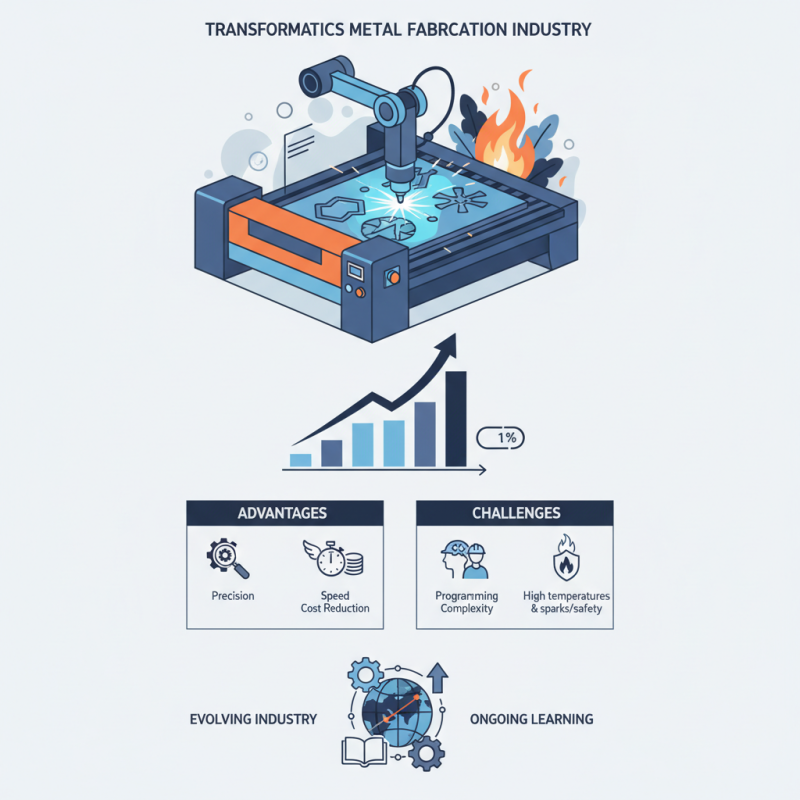
CNC plasma tables have transformed the fabrication industry, allowing for precision in metal cutting processes. According to a report by MarketsandMarkets, the CNC plasma cutting market is projected to grow significantly, reaching $4.4 billion by 2026. This growth underscores the importance of CNC plasma tables in various manufacturing sectors.
Dr. Emily Chen, a leading expert in CNC technology, emphasizes, "The accuracy and speed of a CNC plasma table can change how industries operate." Her insight reflects the table’s capabilities in delivering high-quality cuts while reducing production costs.
Despite their advantages, the use of CNC plasma tables is not without challenges. Operators must be skilled to manage the complexities of programming and setup. Additionally, safety concerns regarding high temperatures and sparks remain prevalent. The journey of mastering CNC plasma tables requires ongoing learning and adaptation in an evolving industry.
Understanding CNC Plasma Tables: Definition and Key Features
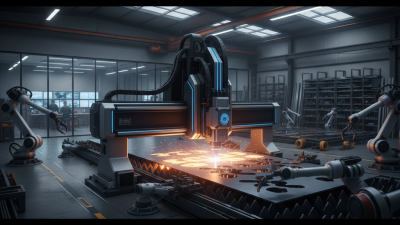
A CNC plasma table is an advanced tool used for cutting metal with precision. It combines computer numerical control (CNC) technology and plasma cutting. This allows for intricate designs and clean cuts on various metal sheets. Typically, these tables are made from sturdy materials to withstand the intense heat from the plasma cutter.
Key features of CNC plasma tables include automated cutting and high-speed operation. Users can input designs directly into the computer software. This streamlines the process and minimizes manual intervention. The software converts digital files into cutting paths, guiding the plasma torch. Additionally, most tables have adjustable height features, making them versatile for different metal thicknesses.
However, operating a CNC plasma table isn't always straightforward. It requires a good understanding of the software and the plasma cutting process. Mistakes in programming can lead to waste of materials. The learning curve can be steep, particularly for beginners. It's essential to spend time practicing and understanding the equipment before taking on complex projects. Each failure can provide valuable lessons for improvement.
The Mechanism of CNC Plasma Cutting: How It Operates
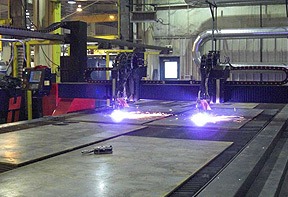
CNC plasma cutting is a fascinating process that combines traditional cutting methods with modern technology. At its core, a CNC plasma table uses a high-speed plasma torch to cut through metal. The mechanism relies on creating an electric arc that ionizes the air. This ionization generates a hot plasma gas that can melt and blow away the material.
The table itself is equipped with a computer numerical control system. This allows precise movements and intricate designs to be cut into metal sheets. Operators input designs into the machine, and the CNC system interprets these designs. It commands the plasma torch to move and cut accordingly. However, calibration can sometimes be a challenge. Getting the settings just right can take time. Once set, the table's efficiency shines, but mistakes can lead to wasted materials and time.
Additionally, not everyone is an expert at operating such machines. Training is essential but can be inconsistent. New operators might struggle with settings or design interpretation. Errors, though common, offer learning opportunities. They highlight the importance of patience and practice. The process isn't foolproof, and constant reflection on techniques can lead to improved outcomes.
Types of Plasma Cutters Used in CNC Plasma Tables
CNC plasma tables utilize various types of plasma cutters. Each cutter has unique features suitable for different projects. Typically, there are two primary types of plasma cutters: conventional and high-frequency. Conventional plasma cutters are simpler and often used for basic tasks. However, they may struggle with intricate designs.
High-frequency plasma cutters offer better precision. They can handle complex cuts and thicker materials. These are common in professional settings, delivering clean edges. But they also require more skill to operate effectively. For beginners, they can be overwhelming.
There are also portable plasma cutters, ideal for small jobs. They are lightweight and user-friendly but may lack power for heavy-duty tasks. Understanding these types is essential. Each has strengths and weaknesses that may impact your project outcomes. It is crucial to reflect on what best suits your needs.
What is a CNC Plasma Table and How Does It Work? - Types of Plasma Cutters Used in CNC Plasma Tables
| Type of Plasma Cutter |
Power Source |
Cutting Thickness |
Max Cutting Speed |
Typical Applications |
| Air Plasma Cutter |
Compressed Air |
Up to 1 inch |
20-50 ipm |
Sheet Metal, Stainless Steel |
| Nitrogen Plasma Cutter |
Nitrogen Gas |
Up to 3/4 inch |
30-70 ipm |
Aluminum, Mild Steel |
| Oxygen Plasma Cutter |
Oxygen / Acetylene |
Up to 1 inch |
15-45 ipm |
Scrap Metal, Auto Repair |
| Dual Gas Plasma Cutter |
Air/Nitrogen |
Up to 1.5 inch |
20-60 ipm |
Industrial Fabrication |
Applications of CNC Plasma Tables in Various Industries
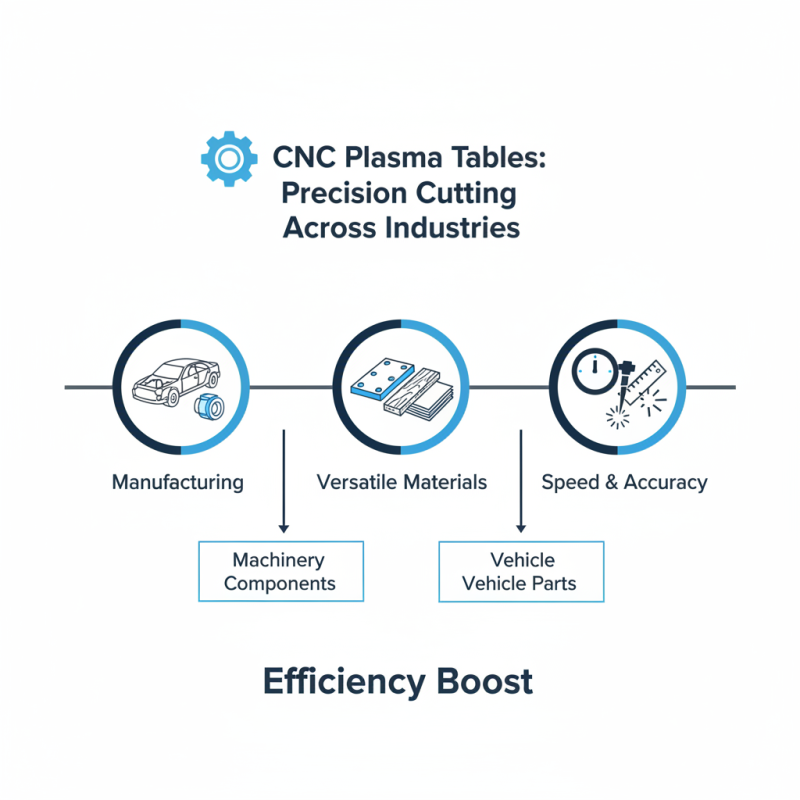
CNC plasma tables are versatile tools used across many industries. They enable precise cutting of metal, wood, and other materials. In manufacturing, these tables cut parts for machinery and vehicles. The speed and accuracy of plasma cutting are essential for efficiency.
In the art world, designers use CNC plasma tables to create intricate metal sculptures. They transform sheets into artistic pieces with stunning details. Fabricators appreciate the versatility of these tables. They can switch materials quickly and adapt to various designs.
Tips: When using a CNC plasma table, always check material thickness. Proper settings ensure clean cuts. Remember to maintain your machine regularly. A well-maintained table will provide better performance.
Another application is in the construction industry. CNC plasma tables cut structural steel for buildings and bridges. This saves time and labor costs. However, errors can occur if measurements are off. Always double-check your dimensions before starting a project.
Advantages of CNC Plasma Cutting Technology Over Traditional Methods
CNC plasma cutting technology offers several advantages over traditional cutting methods. This technology utilizes a high-velocity jet of ionized gas to cut through materials. Unlike mechanical cutting, which can lead to physical wear and tear on tools, CNC plasma cutting maintains precision without direct contact. A report from the Fabricators & Manufacturers Association revealed that CNC plasma tables can achieve cutting speeds up to five times faster than oxy-fuel methods.
One significant benefit is reduced heat-affected zones (HAZ). CNC plasma cutting minimizes thermal distortion, which is crucial for maintaining material integrity. Researchers have found that less material warping translates to lower costs in post-processing. Traditional cutting methods often result in wider HAZ, increasing the need for additional finishing processes. This shift to plasma cutting saves both time and labor costs, making it an attractive option for manufacturers.
However, there are challenges. CNC plasma cutting requires skilled operators for setup and maintenance. Additionally, high initial equipment costs can deter some businesses. An industry report noted that 15% of small manufacturers struggle with the financial investment in CNC machinery. Balancing upfront costs with long-term productivity benefits is essential for businesses considering this technology.