How to Conduct a Meter Test for Accurate Measurements?
Conducting a Meter Test is essential for ensuring accurate measurements in various applications. Accuracy in measurement impacts quality, safety, and efficiency in industries. A properly executed Meter Test can reveal discrepancies in equipment performance. This is crucial for maintaining standards.
Testing meters involves using specialized tools and following strict protocols. Each meter type may require different testing methods. Understanding these nuances is vital for reliability. Inconsistent results might suggest the need for further investigation. Careful attention to detail is often overlooked, but it is critical.
It's easy to underestimate the complexity of a Meter Test. Many assume it's a straightforward process. However, even small errors can lead to significant issues. Regular testing ensures that instruments remain within acceptable limits. Without proper validation, organizations risk operating on faulty data. This highlights the need for meticulousness in every aspect of the testing process.
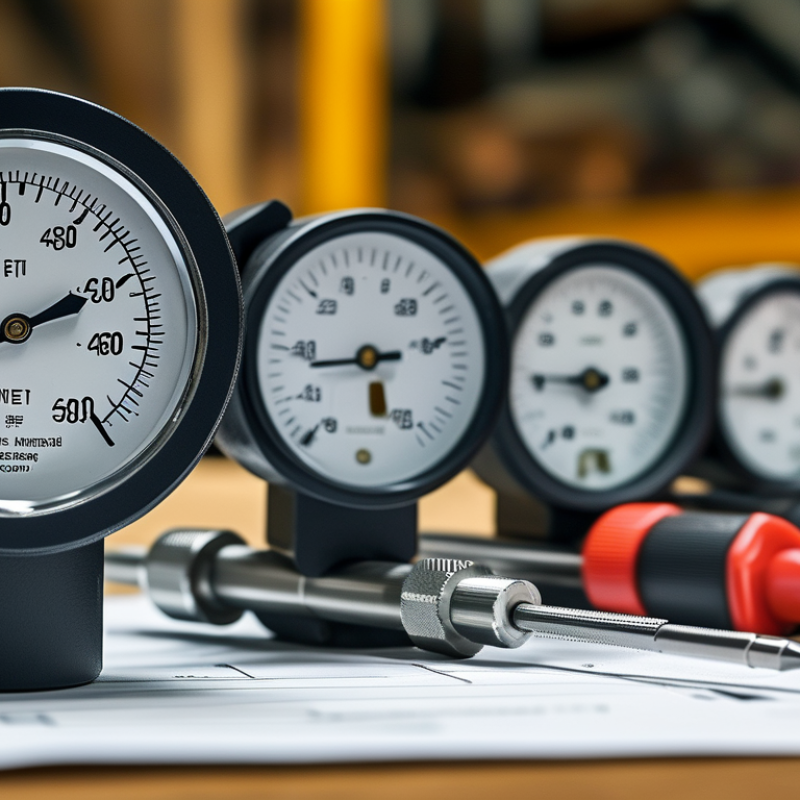
Understanding the Importance of Accurate Meter Testing in Measurements
Accurate meter testing is crucial in various industries, from energy to water management. According to a report by the International Electrotechnical Commission, calibration errors can lead to measurement inaccuracies of up to 10%. This margin can inflate operational costs significantly. Companies that invest in regular meter testing see a return on investment through reduced waste and improved efficiency.
In a study published by the American National Standards Institute, facilities that implemented strict testing protocols reduced discrepancies in utility billing by over 25%. These discrepancies often arise from faulty meters or poor installation practices. Regular meter testing is not just beneficial; it is necessary for maintaining trust and reliability in service delivery.
Neglecting proper testing can result in significant financial losses. A poorly calibrated meter can misrepresent consumption, leading to unanticipated expenses. Facilities must prioritize accuracy, ensuring that all measurements reflect true operational realities. This commitment helps organizations not only meet compliance standards but also foster a culture of accountability.
Required Equipment for Conducting a Meter Test Efficiently
To conduct a reliable meter test, having the right equipment is essential. First, you’ll need a precision voltage source. This device ensures the meter receives a consistent input for accurate readings. It should be adjustable, offering various voltage levels for testing.
A calibrated digital multimeter is also critical. This tool allows for comparison against the meter under test. It’s vital to use a multimeter that has been calibrated recently. Without accurate reference points, your testing results can be misleading.
Don’t overlook connectors and test leads. They should be in good condition to prevent signal loss. Damaged leads can introduce errors in measurement. Having a test bench with a stable setup is ideal. This minimizes any external influence on your results. Remember that even small details can affect accuracy. Regularly checking your equipment’s condition is a good practice. Refining your testing process will contribute to better reliability over time.
Step-by-Step Procedure for Performing a Meter Test
When performing a meter test, accuracy is crucial. Start by ensuring the test environment is stable. Take measurements at a consistent temperature, ideally around 20°C. This helps avoid variations that can affect the results. According to a report by the International Electrotechnical Commission, meter inaccuracies can lead to losses of up to 5% in energy efficiency.
Carefully prepare the meter and the equipment you'll use. Check connections and calibrate your instruments. A calibrated meter increases reliability. While testing, record your readings systematically. Make sure to repeat measurements to check for consistency. Discrepancies should trigger a review of your testing method or equipment.
Tips: Always use high-quality, well-maintained equipment. This can prevent unforeseen errors during the test. Document every step to trace back any issues. If results seem off, reassess your methods—errors often hide in small details. Small adjustments in procedure can yield significant improvements in accuracy.
Analyzing Meter Test Results Using Industry-Standards Data
Accurate measurement is crucial in various industries. Meter tests play a significant role in achieving this accuracy. After conducting a meter test, analyzing the results using industry-standard data is essential for verifying performance. Standard guidelines provide benchmarks for comparison. They help identify areas needing improvement.
One must evaluate the test data against expected standards. Inconsistent results may indicate meter malfunction or calibration issues. Anomalies in data points require deeper investigation. Check the test conditions to rule out external factors, like temperature or humidity influences. This reflection often leads to a clearer understanding of discrepancies.
Understanding the measurement variability is also vital. Each meter could show slight variations under identical conditions. Thus, applying statistical methods to analyze results can yield more reliable insights. Documenting these findings improves future tests and enhances overall accuracy. Continuous review of processes fosters a culture of precision and accountability in measurement practices.
Common Errors in Meter Testing and How to Avoid Them
Conducting a meter test can be tricky. Even experienced professionals make mistakes. One common error is not calibrating the meter before use. A poorly calibrated meter gives inaccurate results. Always check the calibration against known standards. This step is crucial for reliable measurements.
Another frequent issue is environmental factors. Temperature and humidity can affect readings. Conduct tests in controlled conditions when possible. If outdoors, be mindful of weather changes. Not considering these aspects can lead to significant errors.
Documentation is often overlooked. Keeping detailed logs ensures accountability. If a test fails, you need to understand why. Relying on memory can lead to misunderstandings. Each measurement should be recorded meticulously. Reflect on any discrepancies. This practice fosters improvement in future tests.