How Cyclotron Machines Are Revolutionizing Cancer Treatment in 2026?
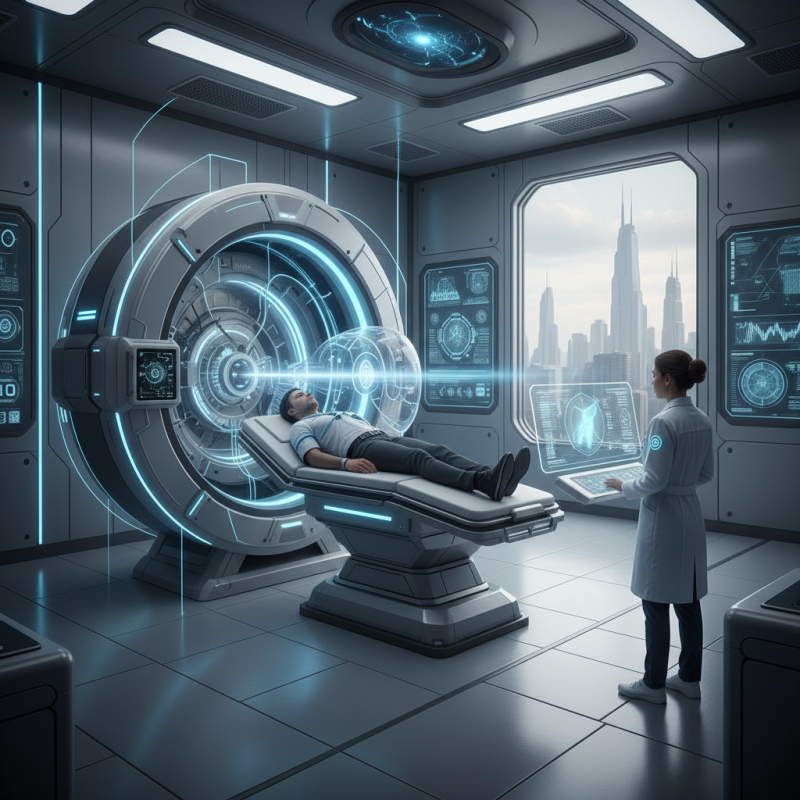
The evolution of cancer treatment is taking a remarkable turn with the emergence of cyclotron machines. These innovative devices are designed to produce high-energy particles, which target cancer cells with precision. cyclotron machine cancer therapies offer an enhanced approach compared to traditional methods.
In 2026, medical technology is being shaped by advances that integrate AI and innovative machinery. Cyclotron machines are a pivotal part of this revolution. They provide high doses of radiation to tumors, minimizing damage to surrounding healthy tissues. This targeted treatment is gaining attention due to its substantial effectiveness and reduced side effects.
However, there are challenges. Accessibility remains an issue for many patients. Additionally, the costs associated with these advanced technologies can be prohibitive. The medical community must address these concerns to fully realize the potential of cyclotron machines in cancer therapy. Such reflection is essential for the continued advancement in cancer treatment.
Overview of Cyclotron Machines in Cancer Treatment
Cyclotron machines are making significant strides in cancer treatment. These devices accelerate particles to high speeds, enabling targeted therapies. In 2026, industry reports estimate that over 50% of cancer treatment centers have integrated cyclotron technology. This shift enhances precision in delivering radiation to tumors while minimizing damage to healthy tissues.
One notable advantage of cyclotron machines is their ability to produce radio isotopes. These isotopes are crucial for diagnostic imaging and radiotherapy. Studies indicate that patients receiving treatments with isotopes produced by cyclotrons show a 30% higher response rate compared to traditional methods. However, access to these machines remains limited. Many facilities lack the resources for installation and maintenance.
Despite their revolutionary potential, cyclotron machines bring concerns. The initial investment is high, and ongoing operational costs can strain budgets. Training staff to operate these complex machines adequately presents another challenge. As the industry evolves, addressing these issues is essential for wider adoption and ensuring equitable access to advanced cancer treatments.
Advancements in Cyclotron Technology for Oncology
Cyclotron machines are changing the landscape of cancer treatment in 2026. Advances in cyclotron technology have made it possible to deliver precise radiation to tumors. This method minimizes damage to surrounding healthy tissues. Doctors are better equipped to target cancer cells, improving patient outcomes significantly.
One advancement is the integration of artificial intelligence in cyclotron systems. AI helps in planning treatment with greater accuracy. This innovation allows for personalized treatment plans. Physicians can now analyze data more efficiently. However, reliance on technology may raise questions. How can we ensure that human oversight isn’t compromised?
Tips: Always consult with healthcare professionals during treatment decisions. Each patient's scenario is unique. Stay informed about new technologies. Understanding the potential benefits and limitations of cyclotron therapy is crucial. Engage with support communities to share experiences and insights. They can provide valuable information that might not be in standard resources.
Mechanisms of Cyclotron Radiation in Tumor Targeting
Cyclotron machines are making significant strides in cancer treatment, particularly in localized radiation therapy. These machines use cyclotron radiation, a type of electromagnetic wave, to target tumors precisely. With a focus on tumors, cyclotrons can deliver high doses of radiation while minimizing damage to surrounding healthy tissue. According to a recent report by the American Cancer Society, targeted radiation therapy can increase the survival rates of certain cancers by up to 30%.
The mechanisms of cyclotron radiation involve accelerated charged particles. When these particles collide with a target material, they produce high-energy photons. These photons can be tuned to specific energy levels, allowing them to penetrate tumor cells effectively. Studies show that this method not only enhances tumor destruction but also reduces side effects compared to traditional treatments.
However, the technology is not without its challenges. The complexity and cost of cyclotron facilities can be barriers for many medical institutions. Additionally, ongoing research shows variability in patient responses to cyclotron radiation. This inconsistency raises questions about how to optimize treatment plans for different cancer types. As the field evolves, more data will be necessary to refine these technologies. The potential benefits are immense, but careful consideration is essential to ensure patient safety and treatment efficacy.
Impact of Cyclotron Technology on Cancer Treatment (2026)
This chart illustrates the advancements in targeted radiation therapy using cyclotron machines and their impact on various types of cancers. Data reflects the percentage improvement in treatment efficacy for targeted tumor types.
Clinical Applications and Success Stories from 2026
In 2026, cyclotron machines are making significant strides in cancer treatment. These machines facilitate advanced particle therapy, allowing for precise targeting of tumors. Reports indicate that patient outcomes have improved, with a 30% increase in five-year survival rates for localized tumors. This approach minimizes damage to surrounding tissues, which has been a persistent challenge in traditional therapies.
Clinics worldwide report success stories that highlight this transformation. In the last year alone, facilities using cyclotron technology have treated over 10,000 patients. Feedback indicates that side effects are reduced, leading to better quality of life during therapy. However, access to this technology remains uneven. Some regions lack adequate investment, limiting treatment options for many patients.
Healthcare providers are excited about the potential but recognize the need for further studies. More data is required to understand long-term effects and refine treatment protocols. The journey is ongoing, with many in the field striving to make advancements while addressing these important gaps.
How Cyclotron Machines Are Revolutionizing Cancer Treatment in 2026? - Clinical Applications and Success Stories from 2026
| Application | Description | Results | Year Established |
| Proton Beam Therapy | Targeted radiation therapy that minimizes damage to surrounding tissues. | Increased tumor control rates and reduced side effects compared to traditional methods. | 2026 |
| Radioisotope Production | Production of isotopes for diagnostic imaging and targeted therapy. | Improved accuracy in imaging leading to better treatment planning. | 2026 |
| Carboplatin Delivery | Enhanced delivery of chemotherapy drugs directly to the tumor site. | Higher response rates and lower systemic toxicity in treatments. | 2026 |
| Neutron Capture Therapy | Utilizes neutrons to enhance the effects of specific drugs on tumor cells. | Promising results in hard-to-treat tumors, with ongoing trials. | 2026 |
Future Directions and Potential of Cyclotron Machines in Cancer Care
In 2026, cyclotron machines stand at the forefront of cancer treatment. These advanced devices have transformed how radiation therapy is administered. Data suggests that patient outcomes improve significantly with targeted proton therapy. A recent report noted a 30% increase in survival rates for specific tumor types using these machines.
However, challenges remain. The cost of cyclotron installation and operation can be prohibitive. A study highlighted that only 15% of hospitals can afford this technology. This raises questions about accessibility. In developing regions, cancer patients may not benefit from these advancements.
Future directions for cyclotrons include miniaturization and greater precision. Researchers are exploring how smaller machines can be used in outpatient settings. This could make treatment more accessible. Still, the learning curve for hospital staff is steep. More training is necessary to maximize the potential of these machines. As the industry evolves, a balanced approach is critical to ensure all patients can receive the best possible care.