What is a Double Shaft Mixer from China and Its Benefits?
In the realm of industrial mixing, the "double shaft mixer china" stands out as a critical innovation. This equipment is particularly favored in sectors such as construction, chemical processing, and food production. According to a report from the International Mixer Association, demand for advanced mixers has surged by 35% in the last five years. This growth highlights the importance of efficiency and quality in production processes.
Dr. Li Wei, a leading expert in industrial mixers, emphasizes, "The double shaft mixer enhances uniformity in mixing, reducing waste significantly." This mixer features two shafts that rotate in opposite directions, allowing for thorough blending of materials. The design also minimizes dead zones, where unmixed materials can accumulate, a common issue in single shaft mixers.
Despite its advantages, the double shaft mixer requires regular maintenance and proper operation training. Companies must invest in skilled personnel to maximize its benefits. Understanding these challenges is crucial for firms looking to enhance their production efficiency while utilizing double shaft mixer technology effectively.
Overview of Double Shaft Mixers: Definition and Purpose
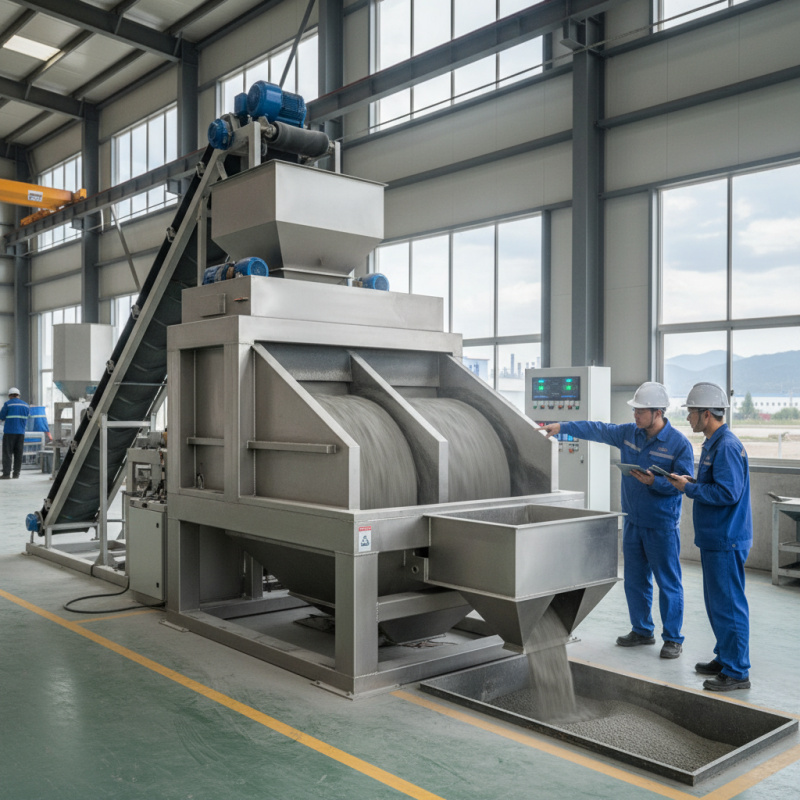
A double shaft mixer is a powerful tool widely used in various industries. It consists of two parallel shafts equipped with multiple blades. This design allows for efficient mixing of materials with different densities and viscosities. The double shaft mixer effectively combines powders, liquids, and granular materials, ensuring a homogenous mixture.
One of the significant benefits of double shaft mixers is their ability to handle large volumes of material. This makes them ideal for bulk production. The thorough mixing process minimizes the chances of uneven distribution. By achieving a consistent blend, companies can enhance product quality. However, achieving perfect mixing requires careful adjustment of speed and operational parameters.
Despite their advantages, there are challenges. Not every material mixes well, and some may require additional processing steps. Users must select the right machine size and configuration based on their specific needs. Continuous monitoring is essential for optimal performance, as variations can occur during operation. These factors must be considered for effective use.
Key Features of Double Shaft Mixers in Industrial Applications
Double shaft mixers have gained popularity in various industrial applications due to their efficient mixing capabilities. One key feature is the dual-agitator design, which allows for uniform blending of materials. This design provides thorough mixing without leaving any unmixed residue. The robust construction ensures durability, making it suitable for heavy-duty tasks.
Another benefit is the ability to handle diverse materials. These mixers can blend powders, granules, and slurries effectively. This versatility is essential for industries such as chemicals, food processing, and pharmaceuticals. However, achieving perfect blending can be challenging. It often requires precise calibration and adjustment based on the specific material types.
Ease of cleaning is an important consideration. Many systems feature a design that allows for quick disassembly. This speeds up maintenance and ensures hygiene standards are met. Yet, one must remain vigilant about hidden areas that may harbor residues. Investing time into thorough cleaning practices helps maintain mixer efficiency. Overall, double shaft mixers represent a significant advancement in industrial mixing technology, promising robust performance across various sectors.
What is a Double Shaft Mixer from China and Its Benefits? - Key Features of Double Shaft Mixers in Industrial Applications
| Feature | Description | Benefit |
| High Mixing Efficiency | Dual shaft design allows for the uniform distribution of materials. | Ensures a consistent product quality with reduced mixing time. |
| Versatility | Suitable for a wide range of materials, including viscous and dry materials. | Adaptable for various industrial applications, enhancing production flexibility. |
| Robust Construction | Designed for durable and long-lasting operation. | Minimizes maintenance costs and downtime, improving operational efficiency. |
| Easy to Operate | User-friendly controls and automated mixing cycles. | Reduces the need for skilled labor and training costs. |
| Energy Efficient | Designed to minimize energy consumption during operation. | Lower operating costs and environmental impact. |
Advantages of Using Double Shaft Mixers for Material Homogeneity
Double shaft mixers are commonly used in various industries, particularly for achieving material homogeneity. These mixers feature two rotating shafts that blend materials thoroughly. The design allows for effective mixing even with high-viscosity materials. As a result, users can expect consistent quality in their final products.
One major advantage of double shaft mixers is their ability to handle a wide range of materials. They mix powders, pastes, and other materials efficiently. This versatility ensures that manufacturers can produce a variety of products with a single machine. However, selecting the right mixer for specific applications can be challenging.
The reduced mixing time is another notable benefit. Double shaft mixers can significantly cut down on production time while enhancing uniformity. This leads to higher efficiency in manufacturing processes. Nevertheless, some users might find that not all mixtures achieve the desired consistency. It is crucial to experiment and adjust settings for optimal results.
Common Industries Utilizing Double Shaft Mixers in China
Double shaft mixers are widely used in various industries in China. They excel in blending materials that require uniform consistency. Common industries include construction, food processing, and chemicals. These mixers ensure that ingredients are combined effectively, enhancing product quality.
In the construction sector, double shaft mixers blend cement, sand, and aggregates for concrete production. The ability to handle large volumes delivers significant advantages. In food processing, these mixers are employed to create pastes and sauces. They facilitate the even distribution of flavors and textures in food products. However, some users find challenges in maintenance due to their complex design.
The chemical industry also benefits from double shaft mixers. They are used to produce adhesives and coatings. However, mixing viscosity can sometimes be a problem. Each industry has its unique requirements, and the effectiveness of these mixers depends on proper usage. This underlines the importance of training and understanding the machinery's operation to maximize efficiency.
Maintenance and Operational Considerations for Double Shaft Mixers
Double shaft mixers are increasingly popular for their efficiency in blending materials. When maintaining these machines, operators must consider several key factors. Regular inspection is essential. This involves checking the shafts and mixing blades for wear. Moreover, lubrication should be performed to reduce friction and wear. This maintenance can prolong the life of the mixer.
Operational considerations are equally important for ensuring optimal performance. Proper loading is crucial. Overloading can lead to mechanical failure or inefficient mixing. Understanding the specific materials to be mixed can help in setting optimal speeds and blending times. Operators may need to experiment with different settings. This trial and error can sometimes lead to unexpected results, requiring adjustments.
Additionally, safety must not be overlooked. It is vital to ensure that all safety guards are in place and operational. Training for personnel on safe operating procedures can prevent accidents. Regularly reviewing safety protocols can also identify areas for improvement. These practices create a more reliable operational environment, enhancing both efficiency and safety.
Double Shaft Mixer Performance Analysis
This bar chart represents various performance metrics of Double Shaft Mixers commonly used in manufacturing processes. The metrics include Energy Consumption, Mixing Speed, Material Consistency, and Maintenance Frequency, indicating the operational efficiency and maintenance needs of these mixers.