10 Essential Tips for Choosing Farrowing Pens for Pigs?
When selecting Farrowing Pens For Pigs, expert Dr. Helen Thompson emphasizes the importance of comfort and safety. She states, “The right pen can significantly improve the health of both sows and piglets.” This highlights the critical role that a well-designed farrowing pen plays in the overall well-being of pigs.
In the competitive pig farming industry, choosing the right Farrowing Pens for Pigs is essential. Farmers often face challenges with space, design, and functionality. A pen that meets the needs of both the sow and the piglets is vital for successful farrowing. When evaluating options, think about the layout, materials, and ease of access.
Every farmer has unique requirements. What works well for one operation might not be suitable for another. Therefore, it is essential to reflect on individual needs and experiences. The goal is to create a safe, comfortable environment for all pigs involved. Considering these factors can lead to better outcomes and a more productive farming practice.
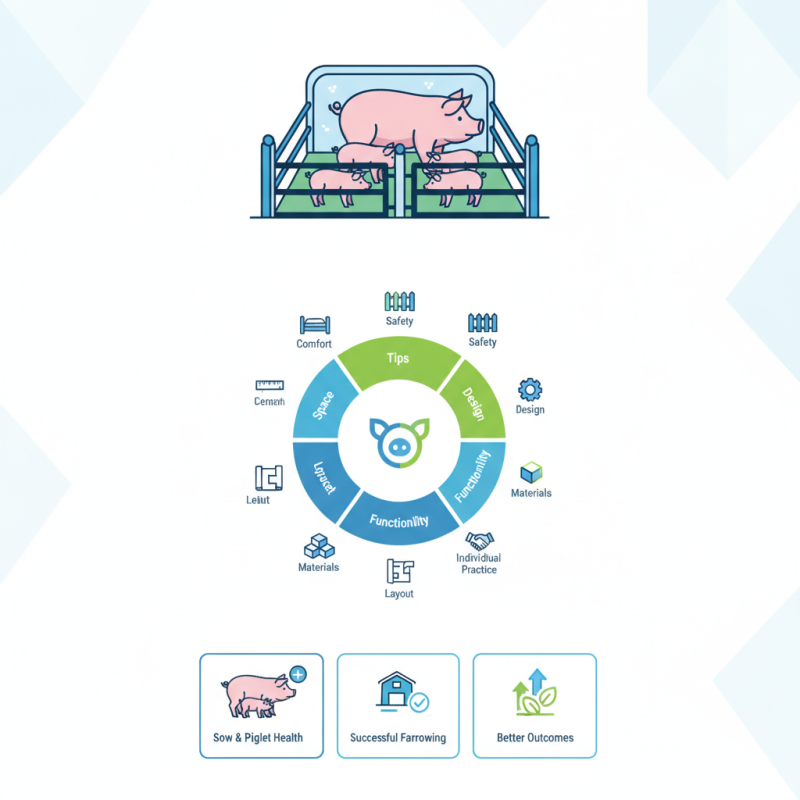
Understanding the Importance of Farrowing Pens in Pig Farming
Farrowing pens play a crucial role in pig farming. These pens are designed to provide a safe and comfortable environment for sows during the birthing process. A well-designed farrowing pen can help reduce stress for both the mother and piglets. This is essential for promoting good health and enhancing survival rates.
Choosing the right farrowing pen involves understanding the specific needs of your pigs. Attention to space is vital. Each sow requires adequate room to move and lie down comfortably. Ensure that the pen allows for easy access to the sow and her piglets. The design should also prevent piglets from becoming trapped or injured. Many farmers overlook the importance of purchasing pens with easy-to-clean materials, which can lead to hygiene issues. This oversight can affect the overall health of your herd.
Monitoring the behavior of sows in different pen types can provide valuable insights. Not all pens may work well for every farm. Some sows may feel more secure in larger spaces while others prefer smaller enclosures. Continuous observation and adjustments are necessary to find the best fit. Taking time to evaluate your setup can lead to better outcomes in productivity and animal welfare.
Key Features to Look for in Farrowing Pens for Pigs
When selecting farrowing pens for pigs, consider key features that enhance both safety and comfort. A good pen should offer enough space for the sow to move freely. Look for designs that allow easy access for monitoring. Ideally, the pen should be made of durable materials that can withstand regular cleaning.
One essential tip is to ensure proper ventilation. This is crucial for maintaining a healthy environment. Poor airflow can lead to stress and health issues for the pigs. Additionally, consider the flooring. A solid floor prevents slippage, while proper bedding helps with hygiene and comfort.
Another feature to watch for is the ability to separate the sow and piglets when needed. Adjustable barriers can offer flexibility as the piglets grow. Remember, pens must be easy to clean to prevent infections. Fasteners should be secure yet simple to operate. Finding the right balance of these features is vital for successful farrowing.
10 Essential Tips for Choosing Farrowing Pens for Pigs
| Feature | Importance | Recommendations |
| Size | Ensures comfort for sows and piglets | Minimum 6x4 ft for sow; adjust based on breed |
| Material | Durability and hygiene | Galvanized steel or heavy-duty plastic recommended |
| Ventilation | Important for health and reducing heat stress | Ensure adequate airflow without drafts |
| Ease of Cleaning | Prevents disease | Choose designs that allow for easy washing |
| Safety Features | Protects both sows and piglets | Rounded edges and non-toxic materials |
| Access Points | Facilitates easier management | Ensure doors are large enough for staff and equipment |
| Heat Source | Keeps piglets warm | Consider heated mats or lamps for colder climates |
| Socialization | Important for behavioral health | Design for controlled interaction during nesting |
| Shade | Protects from heat stress | Incorporate shaded areas or structures |
| Cost | Affects overall budget | Balance quality and affordability for long-term investment |
Design Considerations for Optimal Space and Comfort
Designing farrowing pens for pigs involves critical considerations for space and comfort. The pen must accommodate both the sow and her piglets. An ideal design allows the sow to move freely. Choosing rectangular shapes can maximize usable space while ensuring safety. Sows need ample room to lie down without risking injury to themselves or their young.
Consider the layout's impact on animal behavior. Pigs thrive in environments that reduce stress. Adequate space can lead to calmer sows, impacting their feeding and mothering. Divisions within the pen can provide privacy for the sow, promoting a sense of security. Using solid barriers can shield piglets from drafts while maintaining visibility for caretakers.
When selecting materials, focus on durability and ease of cleaning. Some materials can harbor bacteria, compromising pig health. Regular assessments of the pen’s condition are necessary. Over time, wear and tear can affect comfort levels. Reflecting on these aspects helps in creating a better living environment for both sow and piglets. A well-thought-out design leads to better outcomes in pig health and productivity.
Materials and Durability: Choosing the Right Construction for Pens
Choosing appropriate materials for farrowing pens is critical for both pig welfare and operational efficiency. Durability should be a key consideration. In a study conducted by the National Pork Board, it was noted that pens constructed from high-quality metal outperformed wooden alternatives in longevity by 30%. Metal pens resist wear better, reducing maintenance costs over time. This can lead to improved profitability in the long run.
When selecting construction materials, consider factors such as ease of cleaning and temperature regulation. Pens made from non-porous materials are easier to sanitize. Proper sanitation is vital in preventing diseases, which can have significant financial repercussions. The average loss in piglets due to poor sanitation can reach 7% to 10%, according to industry reports.
Tip: Ensure materials can withstand the environment. For instance, coastal areas require corrosion-resistant options. Also, evaluate the flexibility in design. Modular systems can allow for changes as herd sizes fluctuate. Materials should not only endure harsh conditions but also be adaptable as farming practices evolve. A reassessment of materials after a certain period can yield insights into improving pig welfare and farm efficiency.
Durability of Farrowing Pens Materials
Assessing Safety and Hygiene Standards in Farrowing Pens
When assessing safety and hygiene standards in farrowing pens, certain factors must be considered. Proper ventilation is essential. It helps prevent buildup of ammonia and other harmful gases. Ensure that the pen design allows for air circulation while minimizing drafts. This balance protects both the sow and her piglets.
Another crucial aspect is ease of cleaning. The materials used in constructing the pens should be non-porous and easily washable. Look for surfaces that can withstand regular sanitation processes. Consider the pen's layout. A well-thought-out design reduces hidden corners where waste can accumulate. Such areas can pose serious health risks.
Additionally, focus on the comfort of the sow. A comfortable environment can lead to reduced stress levels. Check for features like adequate space and proper bedding. However, some designs may fall short in functionality. Regular assessments can help identify these flaws early. Pay attention to maintenance needs to uphold hygiene standards continuously. This oversight can make a significant difference in overall piglet health.