2026 How to Choose the Best Spiral Wound Gasket Manufacturer?
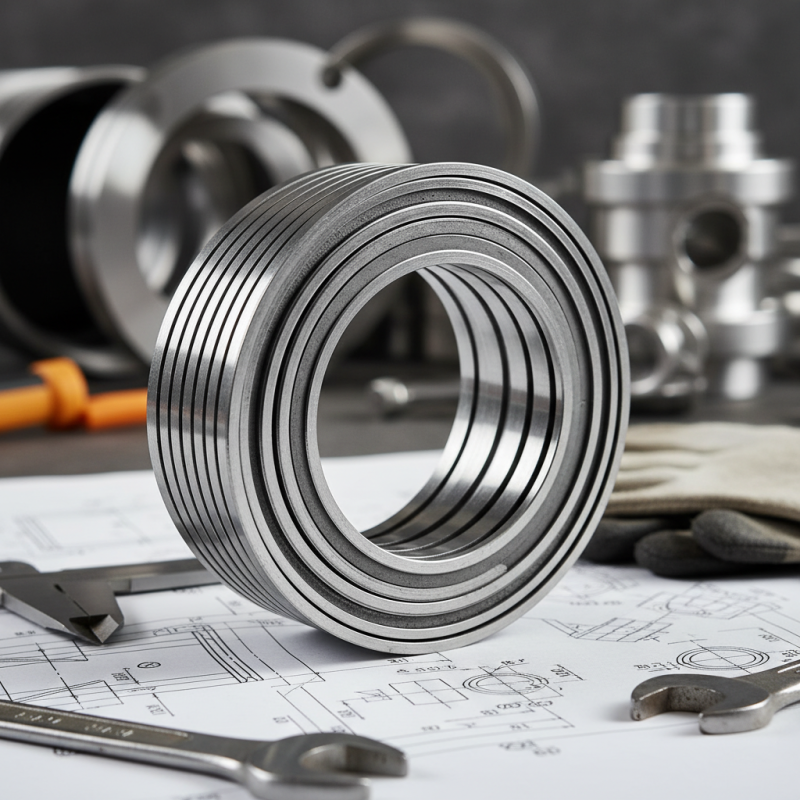
Choosing the right spiral wound gasket manufacturer can be a daunting task. The quality of gaskets is crucial for various industries. A reliable manufacturer ensures that the gaskets meet specific standards.
When selecting a manufacturer, consider their experience and reputation in the market. It’s important to do thorough research. Look for reviews and testimonials from previous clients. Many companies claim to offer high-quality products. However, not all deliver on that promise.
Be attentive to details. Ask about the materials used in production. Different applications require different specifications. A good manufacturer should provide clear information. Don’t hesitate to seek clarification. Evaluating a spiral wound gasket manufacturer takes time and effort. Yet, investing in the right choice pays off in the long run.
Factors to Consider When Selecting a Spiral Wound Gasket Manufacturer
When selecting a spiral wound gasket manufacturer, several factors come into play. Quality should be a priority. The material used significantly impacts performance. Stainless steel, for example, is often preferred for its durability. Look for manufacturers who follow stringent industry standards like ASME or API. These standards ensure the gasket meets necessary specifications.
Cost is another considerable element. While cheaper options may seem appealing, they can compromise quality. A report by the Gasket Manufacturers Association shows that over 30% of installation failures arise from subpar gaskets. Investing in a reliable manufacturer often leads to long-term savings.
**Tip:** Always request a sample. Testing a small batch can reveal a lot about durability and functionality.
Customer service is often overlooked. A manufacturer that is responsive can greatly enhance your experience. Communication plays a critical role in troubleshooting any issues that may arise. Take note of their support channels and response times.
**Tip:** Read reviews from other customers. Feedback can shed light on the manufacturer’s reliability.
Understanding Material Options for Spiral Wound Gaskets
When choosing a spiral wound gasket, understanding material options is crucial. Commonly used materials include graphite, PTFE, and stainless steel. Each material has unique properties that dictate its suitability for various applications. For instance, graphite provides excellent thermal conductivity and chemical resistance. PTFE, on the other hand, offers superior chemical resistance, often used in corrosive environments. Stainless steel delivers strength and durability, which is essential for high-pressure applications.
Tips for selecting materials: always consider the operating conditions. Think about temperature and pressure limits. Evaluate the chemical compatibility with the medium. A mismatch can lead to gasket failure. Don't rely solely on the cost; a cheaper option may not last as long, leading to higher costs over time.
Design also matters. Some applications require specific sealing characteristics. Ensure that the chosen material complements the design needs of your assembly. It's interesting to reflect on how even a minor oversight in material choice can lead to leaks or equipment failure. Always take your time during the selection process; hasty decisions can have lasting effects on your project.
2026 How to Choose the Best Spiral Wound Gasket Manufacturer?
This chart illustrates the durability ratings of various material options used in the production of spiral wound gaskets. Higher durability ratings indicate better material performance under pressure, which is crucial for effective sealing solutions in various industrial applications.
Evaluating Manufacturer Reputation and Experience
When evaluating a spiral wound gasket manufacturer, reputation and experience are key factors. A recent industry report highlights that companies with over 20 years in the field demonstrate a 30% higher customer satisfaction rate. These manufacturers typically have established quality control processes that ensure product reliability.
Additionally, it's essential to check reviews and testimonials. A study revealed that 75% of buyers rely on peer feedback before making decisions. Yet, some manufacturers may showcase misleading or overly positive reviews. It's important to approach this data critically and look for verified customer experiences.
Consider the manufacturer's experience in your specific industry. A gasket suitable for high-pressure applications may differ greatly from one designed for corrosive environments. Yet, some manufacturers may not specialize in both areas. A tailored approach often leads to better solutions.
2026 How to Choose the Best Spiral Wound Gasket Manufacturer?
| Criteria | Description | Rating (Out of 5) |
| Reputation | Manufacturer's standing in the market based on customer feedback and reviews. | 4.5 |
| Experience | Number of years manufacturing spiral wound gaskets and relevant industry experience. | 4.8 |
| Quality Standards | Compliance with international quality certifications like ISO 9001. | 5.0 |
| Product Range | Variety of spiral wound gaskets available for different applications. | 4.2 |
| Customer Support | Availability of support for inquiries, technical assistance, and after-sales services. | 4.6 |
| Pricing | Competitiveness of pricing in relation to market standards and product quality. | 4.3 |
Assessing Quality Standards and Certifications of Manufacturers
When choosing a spiral wound gasket manufacturer, quality standards and certifications are vital. According to a 2022 industry report, nearly 70% of gasket failures stem from poor manufacturing practices. This highlights the importance of selecting a manufacturer with robust quality assurance protocols. Certifications like ISO 9001 indicate that a manufacturer adheres to international quality management principles. Yet, it’s essential to verify that these certifications are not merely decorative.
Additionally, compliance with industry-specific standards is critical. Gaskets used in high-pressure environments may require adherence to ASTM or API standards. A study by the Gasket and Sealing Materials Association noted that compliance can reduce the risk of product failure by up to 50%. However, many manufacturers do not consistently uphold these standards during production. Regular audits and third-party inspections can help ensure that a manufacturer stays compliant.
Lastly, it's beneficial to consider the manufacturer's track record and customer feedback. A company might possess all the right certifications, but that doesn’t guarantee superior performance. Engaging with past clients can reveal potential red flags in their experience with the manufacturer. Fostering a thorough evaluation process is crucial in navigating the complexities of quality assurance in gasket manufacturing.
Analyzing Customer Support and Service from Gasket Manufacturers
When choosing a spiral wound gasket manufacturer, customer support plays a crucial role. A responsive support team can make all the difference. They should be easily accessible through various channels. Whether it’s phone support, email, or live chat, prompt responses are vital. Still, it’s common to encounter delays in answers. Assessing their commitment to customer service can provide insights into their overall reliability.
Effective communication is another key factor. Quality manufacturers often provide guidance on installation practices. They should also offer solutions to technical queries. However, not every manufacturer excels in this area. Some may offer limited guidance, leaving customers feeling frustrated. It's important to ask for references or customer feedback about service experiences before making a decision. Real-world testimonials can reveal the true nature of their support.
Lastly, look into their warranty policies and after-sales support. A solid warranty shows confidence in their products. After-sales support can enhance long-term relationships. Yet, some manufacturers neglect this aspect, leaving customers uncertain after their purchase. Evaluating these factors will guide you toward finding a manufacturer that meets both quality and service expectations.