Choosing the right Carpet Cutter in 2026 is less about buying the sharpest blade and more about matching the tool to the job. A plush bedroom carpet, a loop-pile runner, and a stiff commercial offcut can behave very differently under the same knife. The wrong cutter may snag fibers, wander at an edge, or leave a rough seam that becomes obvious in daylight.
Look for a comfortable grip, a secure blade lock, and blades that are easy to replace. For long, straight cuts, a stable guide can help; for corners and close trimming, control matters more than speed. Check whether the cutter suits your carpet’s thickness and backing, and consider how often you will use it. A heavy-duty model may feel reassuring, but it can be tiring during detailed work. Small detail. Big difference.
A practical buying guide should also distinguish hand cutters from specialty tools, compare safety features, and explain which tasks each design handles well. Test the grip if possible. Imagine guiding the tool beside a metal straightedge, with carpet fibers pressing against the blade. Does it feel steady, or does your wrist twist? That quick check can reveal more than a feature list.
No source material was provided for a verifiable quotation from a named Carpet Cutter expert, so I won’t invent one. The advice here focuses on observable features and real cutting conditions. Even so, no single cutter is best for every carpet or installer. A careful choice starts with the material, the cut, and the person holding the tool.
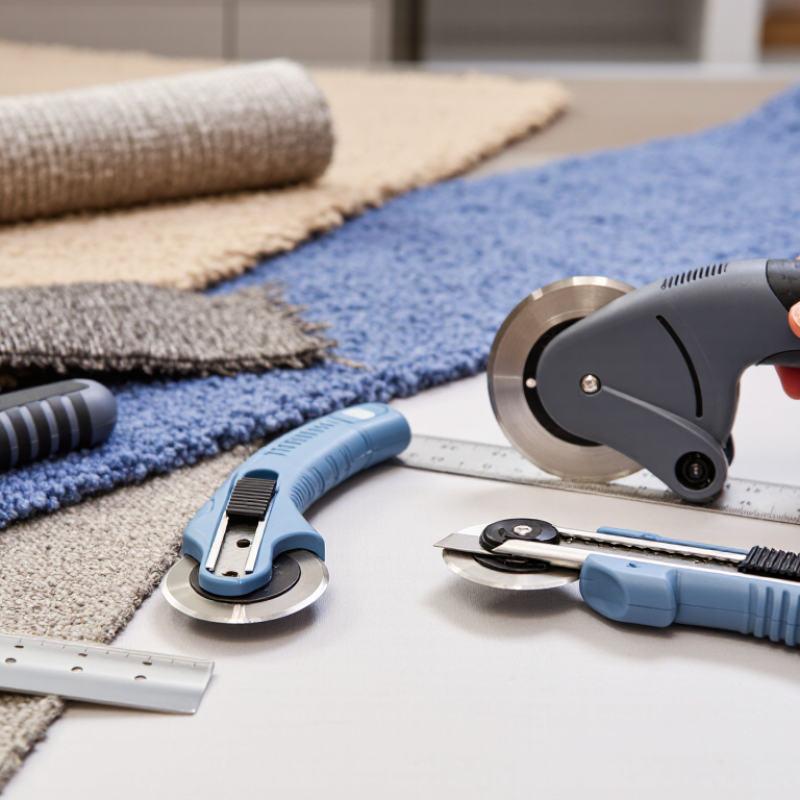
A carpet cutter is designed to make controlled cuts through carpet backing and pile. It helps trim edges against walls, fit material around door frames and vents, and open seams before joining sections. For stairs, a stable grip and a sharp blade matter; loose carpet can shift, leaving a jagged edge or an uneven fit. Small tool. Big difference.
The cutter’s shape should match the task. A fixed carpet knife suits straight trimming, while a hooked blade can cut from the backing with less risk of slicing deeply into the pile. For tight corners, short, careful strokes offer more control than forcing one long cut. Measure twice, then cut slightly outside the final line if the edge needs fitting.
EPA’s 2018 Advancing Sustainable Materials Management report estimated that 3.4 million tons of carpet and rugs entered the U.S. municipal waste stream; about 9.2% was recycled.
Accurate cuts can help reduce avoidable offcuts, though no cutter prevents every mistake. A rushed cut may look acceptable at first and still leave a gap by the doorway.

Before choosing a carpet cutter, identify the carpet’s pile, fiber, and backing. Low-pile carpet often allows controlled trimming with a sharp utility knife and straightedge. Loop-pile styles, including Berber, need extra care: a dull blade can snag loops and leave a ladder-like pull. Cut from the backing side when practical, and make a small test cut in an offcut. It takes a minute. The backing matters, too. Flexible felt-backed carpet behaves differently from stiff woven or rubber-backed material, which may resist a light-duty blade.
Then match the tool to the job. For long, straight room cuts, a carpet knife with a comfortable grip and replaceable blade offers steady control. Fitting around door frames or trimming an edge calls for shorter, precise cuts rather than force. Thick plush carpet can hide the blade’s path, so check beneath it often and avoid cutting too deeply into the floor. Stairs and tight corners may be easier to manage with carpet shears for small adjustments. A common mistake is choosing by pile height alone; backing stiffness and the cut’s location can matter just as much. Even careful measurements can be slightly off, so leave a little trimming allowance and test the cutter before committing to the visible edge.
A carpet cutter’s design affects control as much as cutting speed. A broad handle can feel steadier when trimming a long seam, while a compact body may turn more easily around door frames. Retractable cutters offer a useful way to cover the blade between cuts. Fixed-blade designs can feel more direct, but need careful storage. That matters. Hooked blades can slice carpet backing while helping avoid deep cuts into the floor beneath. Straight blades suit detail work, though they may catch loose fibers if they become dull. Small difference. Check how securely the blade sits; even slight wobble can make a cut wander.
Adjustment features deserve a hands-on check. A tool with clear depth settings can help match the blade’s exposure to thick pile or thin carpet backing. The slider should move smoothly, then lock firmly without shifting under pressure. Blade changes should be simple, but not so loose that the blade slips during use. Wear gloves when changing blades, and cut away from your body on a stable surface. If possible, test the grip with the same hand position you would use on a floor. A cutter that feels comfortable in the shop may feel awkward after several feet of trimming. There is no perfect design for every job; I would weigh secure adjustment and steady handling over extra features.
A carpet cutter should feel controlled before it feels fast. Check the blade-locking mechanism, handle grip, and visibility of the cutting edge. A secure lock helps prevent unwanted blade movement, while a non-slip grip matters when hands are dusty or sweaty. Keep fingers clear of the blade path. Small details count.
Comfort is a safety issue, not a luxury. The UK Health and Safety Executive reported 543,000 workers with work-related musculoskeletal disorders in 2023/24. That figure covers many occupations, not carpet cutting alone, but it reinforces the value of reducing force and awkward wrist positions. Choose a handle that fits your hand and allows a straight, relaxed cut. Test it with a short offcut if possible. A tool can look ergonomic and still pinch.
Durability depends on more than a heavy body. Inspect the blade carrier for wobble, the lock for reliable engagement, and the housing for cracks or sharp seams. Replaceable blades can extend useful service, but only when they seat firmly and advance smoothly. Ask how replacement parts are supplied and whether the cutter remains stable after repeated use. I would not assume that a higher price means a safer tool; check the mechanism yourself. Some wear is easy to miss.
How to read this: These suggested weights add up to 100% and provide a practical starting point for comparing carpet cutters—not measured product-test results. Prioritize secure blade handling, then consider grip comfort and expected tool life for your intended workload.
A good carpet cutter should fit the work, not just the price tag. Fortune Business Insights’ 2023 carpet market report estimated global carpet sales at $51.93 billion, reflecting a wide range of materials and project needs. For occasional room repairs, a simple cutter with replaceable blades may be enough. For repeated trimming of dense carpet, prioritize a stable handle, secure blade adjustment, and easy blade changes. Compare the cost of replacement blades, too. A low purchase price can hide higher upkeep.
Tips: Check blade availability before buying. Hold the cutter and test its grip, if possible. A tool that feels heavy is not automatically more durable. That assumption is worth questioning.
Think in terms of total ownership cost: purchase price, blade replacements, cleaning time, and likely service life. Remove lint and adhesive residue after each job, and keep the blade guard working smoothly. These small habits can reduce wear and help cuts stay controlled. If your workload is uncertain, avoid paying extra for features you may never use. Still, the cheapest option may frustrate you when it slips on thick backing. Choose a cutter that matches your usual carpet and cutting frequency, then review its upkeep costs before checkout.
| Cutter Type | Typical Tool Price (USD) | Best For | Blade and Cutting Notes | Maintenance Needs | Budget and Value |
|---|---|---|---|---|---|
| Standard retractable utility knife | $5–$20 | Occasional trimming, straight cuts, and small household carpet projects. | Uses replaceable segmented or trapezoid blades, depending on the knife design. A rigid handle and secure blade lock help with control. | Replace or snap off dull blade segments safely. Keep the blade channel free of carpet fibers and check that the locking mechanism works. | Lowest entry cost, but frequent blade changes may add to ongoing expenses on thick or dense carpet. |
| Fixed-handle carpet knife | $10–$35 | Repeated carpet cuts, fitting work, and users who prefer a dedicated carpet-cutting handle. | Often accepts replaceable trapezoid or hook blades. The handle shape can provide a more controlled grip than a basic utility knife. | Change blades when cutting becomes difficult. Clean the blade holder after use and store the knife with the blade covered or removed. | A practical mid-range choice for regular DIY work without the cost or upkeep of a powered tool. |
| Hook-blade carpet knife | $8–$30 | Cutting carpet from the backing side or trimming material where reducing the chance of cutting into the floor is important. | The curved blade can help catch and cut carpet fibers. It still requires controlled pressure and a stable cutting surface. | Replace the blade when it dulls, and handle used blades carefully. Remove trapped fibers from the holder before storage. | Usually affordable; a useful specialist option, though it may be less versatile for general-purpose cutting. |
| Electric carpet cutter | $50–$150 | Longer or repeated cuts, larger projects, and users seeking to reduce hand effort. | Uses a powered cutting mechanism and model-specific replacement blades. Check the stated material capacity and power source before buying. | Follow the manufacturer’s instructions for blade changes, cleaning, and charging or cord care. Keep vents and moving parts clear of fibers. | Higher upfront cost; most worthwhile when used regularly. Replacement blades and charging or electrical needs add to ownership costs. |
| Carpet edge or seam trimmer | $15–$50 | Trimming carpet edges or working on seams during installation and finishing tasks. | Designed for a specific trimming task rather than general cutting. Confirm that the tool suits the carpet thickness and cut direction. | Clean fibers from the guide and blade area after use. Replace worn blades and check that adjustable parts remain secure. | Moderate cost for finishing work; less useful as a single all-purpose cutter. |
| Price and safety note: Prices are approximate USD ranges for tool-only purchases and vary by seller, region, and included accessories. Wear cut-resistant gloves where appropriate, cut away from your body, use a suitable cutting surface, and follow the tool’s instructions. | |||||