What is a metal band saw and how does it work?
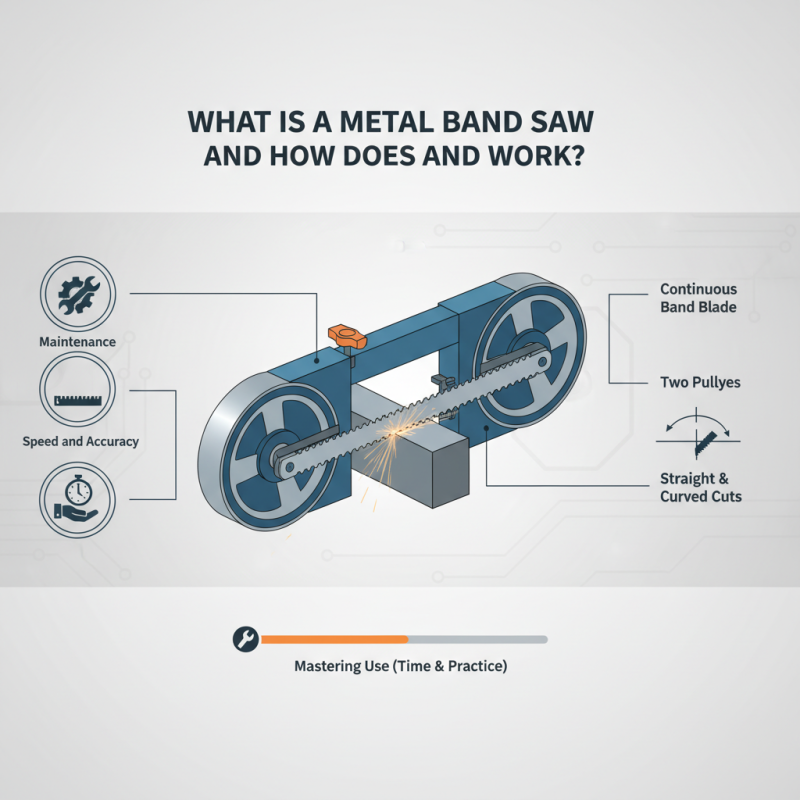
A metal band saw is an essential tool in various industries. Its design allows for precise cuts, making it popular among metalworkers. With a continuous band blade, this saw can handle thick materials with ease.
These machines operate by moving a long, sharp blade over two pulleys. The blade’s unique structure permits straight and curved cuts, which is a significant advantage. Users often appreciate the saw for its speed and accuracy. However, mastering its use may take time. Many may struggle initially with blade tensioning and speed settings.
The metal band saw can cut through tough metals, but it requires careful operation. Users must constantly monitor blade wear and performance. Regular maintenance is pertinent to avoid costly mishaps. Despite potential challenges, the metal band saw is a valuable asset for efficient metal cutting.
What is a Metal Band Saw?
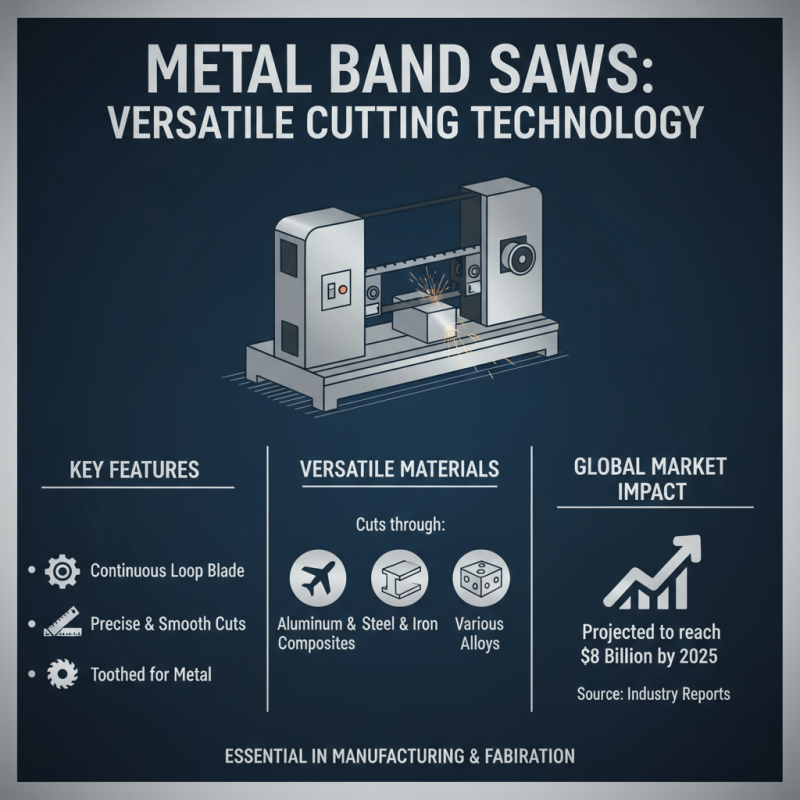
A metal band saw is a versatile cutting tool used in various industries. It employs a continuous loop of blade material, typically with teeth designed for cutting through metal. This design allows for smoother and more precise cuts than traditional saws. The machine can handle a variety of materials such as aluminum, steel, and even composite materials. According to industry reports, the global market for metal cutting machines, including band saws, is projected to reach $8 billion by 2025, highlighting their importance in manufacturing processes.
The operation of a metal band saw involves a powered wheel that drives the blade. This can be an automatic or manual process, depending on the saw’s design. Users often struggle with tuning the saw blade tension correctly. Incorrect tension can lead to blade breakage or poor cut quality. It's essential to monitor blade wear, as dull blades can increase cutting time and result in inaccurate cuts. Industry studies show that a well-maintained band saw can cut nearly 50% faster than a poorly maintained one, illustrating the need for regular inspections.
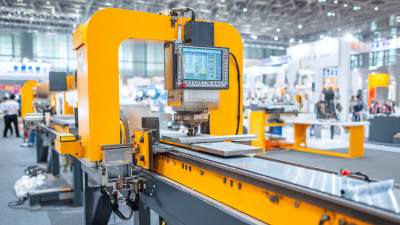
Metal band saws have evolved, integrating advanced technologies for improved efficiency. Some models feature digital displays for monitoring cutting speed and blade wear. These enhancements help operators save time and reduce waste. However, the learning curve can still be steep for new users. Understanding the right settings for different materials is crucial. In a fast-paced environment, mistakes can happen, yet they provide valuable lessons in improving production processes.
Key Components of a Metal Band Saw
A metal band saw is a powerful tool used for cutting various types of metals. It utilizes a continuous band of toothed metal to make precise cuts. Understanding its key components helps in effectively operating the saw.
The saw's blade makes the first impression. It's usually longer and consists of multiple teeth. The teeth shape and spacing vary based on the material being cut. Next, the frame holds the blade in position. A sturdy metal frame ensures stability and accuracy during operation. Then, we have the motor, which drives the blade. A reliable motor maintains consistent speed, impacting cutting efficiency.
Tips: Always check the blade tension before starting. Proper tension prevents blade breakage. Regularly inspect the teeth for wear; this ensures smooth cuts. Proper lubrication can also prolong the blade's lifespan, reducing friction.
The table is where materials are placed. It should be flat and secure. A crooked table leads to uneven cuts. Lastly, safety features are crucial. Always wear protective gear when operating the saw. Remember, safety is key, and never ignore it. Mistakes can happen, but awareness minimizes risks.
Working Principles of a Metal Band Saw
A metal band saw is a powerful tool used for cutting various metal materials. It utilizes a continuous band of serrated metal to slice through metal objects. This design allows for precise, smooth cuts. The blade moves in a loop on wheels, maintaining tension to ensure effective cutting.
The working principle of a metal band saw revolves around its motion and blade design. The blade's teeth are engineered to remove material as they pass through the metal. The saw's speed can often be adjusted. This helps achieve different cutting depths and speeds. Operators can control the feed rate, optimizing cuts for specific materials.
However, using a band saw comes with challenges. It's crucial to ensure proper blade tension. If the tension is too loose, it may lead to inaccurate cuts. Similarly, too much tension can cause blade wear. Operators also need to be mindful of coolant use. Insufficient lubrication can lead to overheating and blade damage. These factors require constant attention to achieve the best results.
Applications of Metal Band Saws in Industry
Metal band saws play a crucial role in various industries. They are widely used in manufacturing, construction, and metalworking applications. These saws provide precise cuts, making them ideal for materials like steel, aluminum, and other metals. According to a market study, the global metal band saw market is expected to grow at a CAGR of 4.5% from 2021 to 2026. This indicates increasing reliance on efficient cutting tools in industrial settings.
In manufacturing, metal band saws are often used for shaping and cutting large metal sheets. They streamline production processes, enhancing efficiency. In the construction sector, these saws help in creating accurate metal parts for structures. An estimated 30% of construction projects utilize metal components, underscoring the importance of this equipment. However, data shows that some companies struggle with integration and maintenance of band saws, which can lead to downtime and increased costs.
Moreover, metal band saws are essential in repair shops. They assist in customizing and repairing machinery parts. Yet, there's room for improvement in operator training. A significant percentage of accidents occur due to misuse, highlighting the need for better safety practices. Understanding these applications and challenges can lead to a more efficient and safer use of metal band saws across industries.
What is a Metal Band Saw and How Does it Work? - Applications of Metal Band Saws in Industry
| Application |
Description |
Material Types |
Common Features |
| Metal Fabrication |
Used for cutting metal sheets and profiles with precision. |
Steel, Aluminum, Copper |
Adjustable speed, precision controls, coolant systems. |
| Aerospace Manufacturing |
Cutting complex parts for aircraft components. |
Titanium, Alloys |
High precision, blade longevity, automatic feed systems. |
| Automotive Industry |
Cutting parts like frames and brackets. |
Steel, Various Alloys |
Versatile, efficient, can handle various thicknesses. |
| Construction |
Used for cutting rebar and structural steel. |
Reinforced Steel, Aluminum |
Robust design, mobile options, quick setups. |
| Metalworking Shops |
General purpose cutting of various metal types. |
Iron, Copper, Brass |
Compact design, easy operation, safety guards. |
Maintenance Tips for Metal Band Saws
Maintaining a metal band saw is crucial for optimal performance. Regular upkeep can extend the saw's lifespan. A report by the Metalworking Industry Association shows that proper maintenance can reduce operational downtime by up to 30%. This means more efficiency for your workshop.
Firstly, check the blade tension regularly. Loose blades can lead to poor cuts and increased wear. Adjustments should be made to ensure they meet the manufacturer's specifications. Replace dull blades promptly. According to industry standards, a sharp blade can increase cutting speed by as much as 25%.
Lubrication is another vital aspect. Applying the right lubricant can decrease friction. This enhances precision and prolongs blade life. Remember to inspect the saw's alignment frequently. Misalignment can cause issues not easily detectable. Noticing issues early helps maintain productivity.