What is a Press Brake and How Does it Work?
A press brake is a vital tool in the metal fabrication industry. It shapes metal sheets through bending. This machinery ensures precision and efficiency, which are crucial in modern manufacturing processes. According to industry reports, the global market for press brakes is expected to reach $4 billion by 2025. This surge indicates a rising demand for high-quality metal products.
The operation of a press brake involves two main components: a punch and a die. Together, they create specific angles and shapes in metal sheets. Advanced models feature automated controls for improved accuracy. However, despite technological advances, misconceptions persist about their operation. Many operators underestimate the importance of proper maintenance, which can lead to inaccuracies.
Furthermore, safety remains a critical concern. Inadequate training can result in accidents. The industry must prioritize education to mitigate risks. Understanding the full capabilities and limitations of a press brake will lead to better outcomes in metal fabrication. Overall, effective usage hinges on expertise and a commitment to safety protocols.
What is a Press Brake? Definition and Overview of Its Functionality
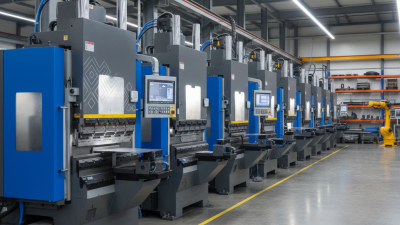
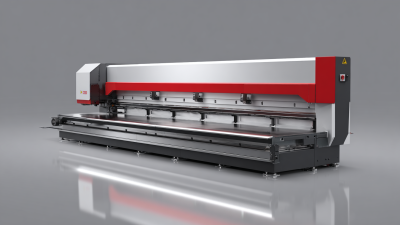
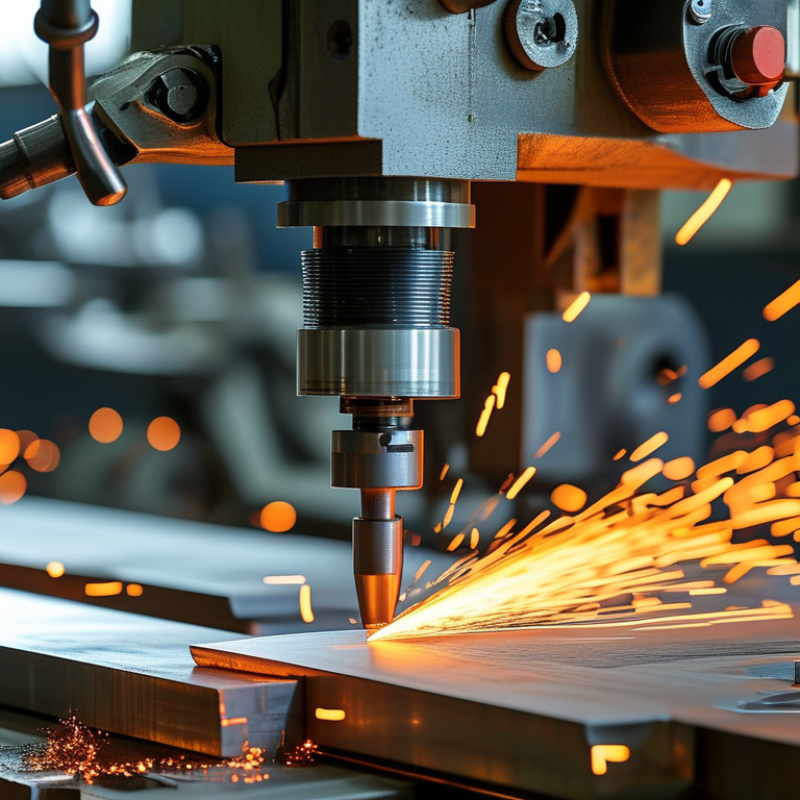
A press brake is a vital tool in metal fabrication. It bends sheets of metal into desired angles and shapes. Users typically adjust the machine to control the bend's angle and depth. This flexibility allows it to produce a range of products, from simple brackets to complex enclosures.
Understanding how a press brake operates is crucial. It utilizes force to bend metal by bringing it into contact with a punch and die set. The machine applies pressure uniformly, ensuring consistent results. However, achieving the perfect bend requires careful calibration. Even seasoned operators can make mistakes if settings are miscalibrated or if the wrong tooling is used.
Training and experience bring a learning curve for press brake operation. Safety measures are also essential to prevent injuries. Operators must constantly monitor their work, as errors can lead to wasted materials and time. Despite its reliability, challenges often arise, making continuous improvement and adjustment necessary for optimal performance.
Press Brake Usage Statistics
Key Components of a Press Brake: Understanding the Machinery Involved
Press brakes are essential in metal fabrication. They bend sheet metal into desired shapes. Understanding their key components helps users operate them effectively.
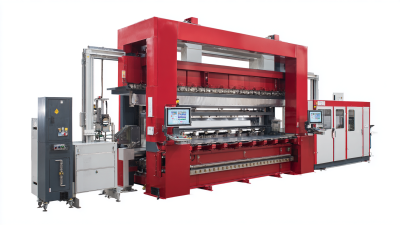
The main parts of a press brake include the frame, ram, and worktable. The frame provides stability, crucial for accurate bending. The ram moves up and down, applying force to the material. This force is pivotal in achieving the correct bend angle. Often, users overlook the importance of the worktable's alignment. Misalignment can lead to defects in the finished product.
Another vital component is the tooling. Tooling refers to the dies used to create specific bends. Different shapes require different dies. Users must be aware of tool wear and tear, which impacts precision. Maintaining tools ensures optimal performance. Operators should regularly inspect and replace them as necessary. Understanding these complexities is essential for achieving high-quality results in metal fabrication.
What is a Press Brake and How Does it Work? - Key Components of a Press Brake: Understanding the Machinery Involved
| Component |
Description |
Function |
Material Compatibility |
| Frame |
The main structure of the press brake. |
Supports all components and ensures stability during operation. |
Steel, Aluminum |
| Ram |
The part that moves down to apply force to the workpiece. |
Bends the material into the desired shape. |
Steel, Copper |
| dies |
Customizable tools attached to the ram. |
Shapes the material as it is pressed. |
Variety depending on the die type |
| Control System |
The interface for operating the press brake. |
Allows precise control of bending angles and parameters. |
Applicable to all materials used |
| Clamping System |
Secures the workpiece in place during bending. |
Prevents movement to ensure precision. |
Steel, Aluminum |
The Press Brake Operation Process: Steps in Metal Forming
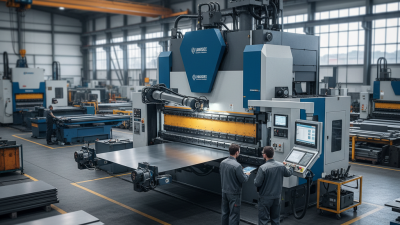
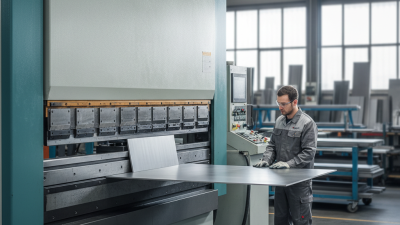
The operation of a press brake involves several critical steps in metal forming. Initially, metal sheets are carefully positioned on the machine. Operators must ensure accurate alignment to avoid defects. The press brake uses hydraulic or mechanical force to bend the metal along specific lines. This process requires precision and expertise to achieve the desired angle.
Once the metal is in place, the operator engages the machine. During this phase, the metal is subjected to concentrated pressure. It's essential to monitor the pressure levels closely. Excessive force can lead to cracks or distortions in the metal. Adjustments might be necessary if imperfections arise. Operators often find that refining their techniques improves overall outcomes.
After the bending, the metal undergoes inspection. It's important to check for uniformity and structural integrity. Feedback from each operation can lead to improvements. Some bends may not meet the expected standards, prompting further training. Continuous reflection and skill enhancement are vital in this field, ensuring quality results every time.
Industry Applications of Press Brakes: Sectors that Utilize This Technology
Press brakes play a crucial role in various industries, shaping materials through precision bending. The automotive sector heavily relies on press brakes for producing components like frames and body panels. According to a recent report, the market for press brakes in the automotive industry is projected to grow at a rate of 5% annually, driven by the increasing demand for lightweight and durable materials.
Manufacturing sectors also benefit significantly from press brake technology. This includes industries such as aerospace and construction, where exact specifications are vital. Reports show that nearly 30% of all metal fabrication uses press brakes. This technology ensures accuracy and efficiency in creating intricate designs. However, despite advancements, some companies still face challenges in integrating automation with traditional methods, leading to inefficiencies.
Moreover, energy consumption remains a concern. Many existing press brakes consume a lot of power, impacting operational costs. Manufacturers are now exploring ways to improve energy efficiency through innovative designs. Continuous training for operators is essential to maximize productivity and minimize waste, as human error can still affect results in this highly technical field.
Performance Metrics and Standards: Assessing Press Brake Efficiency and Accuracy
Performance metrics and standards are critical when evaluating press brake efficiency and accuracy. One of the most essential metrics is the bending accuracy, which reflects how closely the finished product matches the desired specifications. For instance, deviations can occur due to tool wear or material inconsistencies. Regular calibration of equipment helps maintain this accuracy, but even the most precise machines need routine checks.
Another performance standard is cycle time, which refers to the time it takes to complete a bending operation. Shorter cycle times can lead to increased productivity, but this must be balanced with maintaining quality. An overemphasis on speed can lead to errors, resulting in rework or scrapped materials. It's important to assess whether the efficiency gains are worth the potential losses.
Operator skill also plays a significant role in these metrics. A skilled operator can make adjustments on-the-fly, ensuring quality is upheld. However, not all operators might have the same expertise, which can lead to inconsistent results. Continuous training programs contribute to a more reliable workforce. Nevertheless, it’s vital to recognize that human error is an inherent risk in any manufacturing process. Finding the balance between technology and human skill is essential for optimizing performance.