Top 10 Cutting Machines for Efficient Production What to Choose?
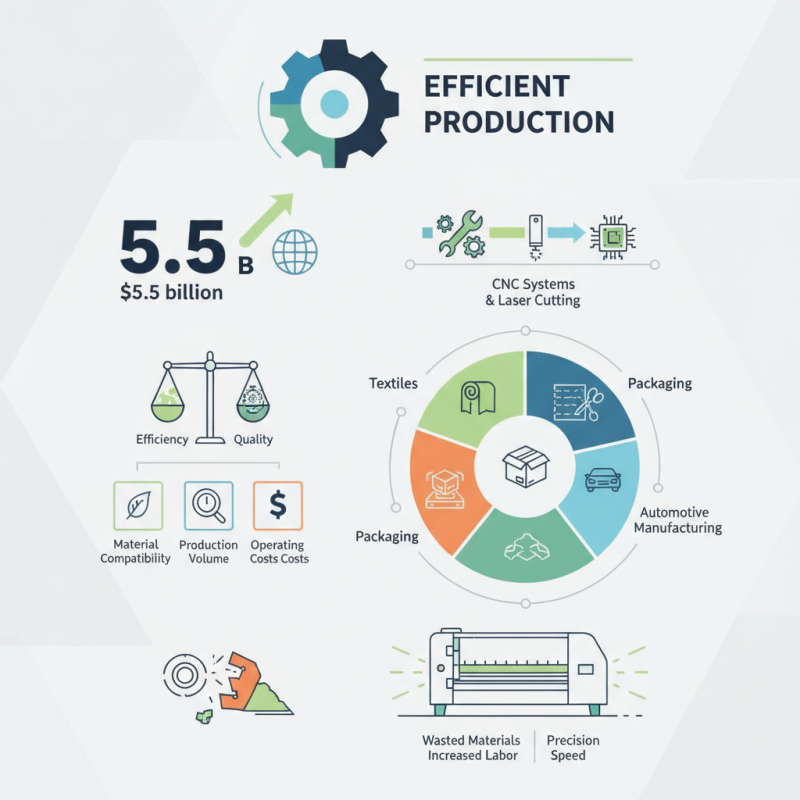
The demand for efficient production methods is more critical than ever. According to a report by Smithers Pira, the global market for cutting machines is projected to reach $5.5 billion by 2026. This growth highlights the importance of investing in advanced cutting technology. Cutting machines facilitate precision and speed in various industries, including textiles, packaging, and automotive manufacturing. However, choosing the right cutting machine can be challenging.
While many options are available, not all cutting machines are created equal. Factors such as material compatibility, production volume, and operating costs play a significant role. Companies must consider these aspects carefully. An underperforming cutting machine can lead to wasted materials and increased labor costs. It's essential to balance efficiency with quality.
Moreover, the technology behind cutting machines continues to evolve. Innovations such as CNC systems and laser cutting have changed operational dynamics. Businesses can achieve higher precision but must also adapt to new maintenance requirements. A machine that excels today may require upgrades tomorrow. This ongoing evolution signifies that thoughtful consideration is necessary when selecting a cutting machine for production needs.
Understanding Cutting Machines: Definition and Purpose
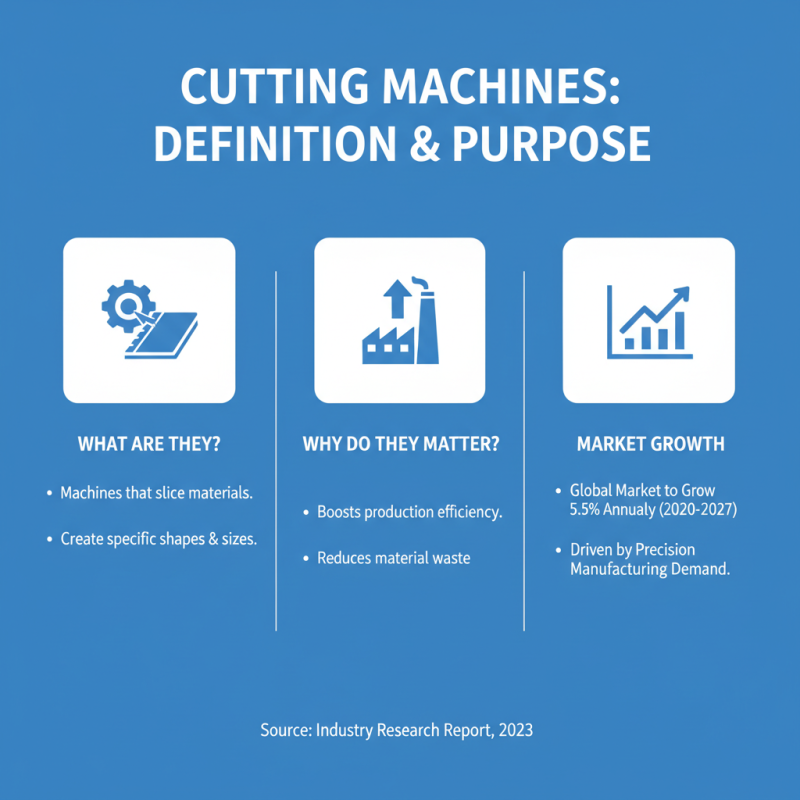
Cutting machines play a critical role in various industries. They are designed to slice materials into specific shapes and sizes. This ability enhances production efficiency and reduces waste. A report from Industry Research indicates that the global cutting machines market is projected to grow by 5.5% annually through 2027. This growth reflects increasing demand for precision manufacturing.
In many sectors, cutting machines enable automation. They minimize human error and enhance safety. For instance, in textiles, automated cutting machines can drastically reduce fabric waste. A recent survey by Fabricator Magazine shows that companies using these machines report a 30% reduction in material costs. However, the initial investment can be substantial. Some manufacturers face challenges in technology adaptation and training.
Choosing the right cutting machine involves understanding specific production needs. Efficiency varies based on the material type and thickness. A comprehensive analysis needs to weigh these factors. Some businesses underestimate the importance of maintenance and regular updates. Investing in a cutting machine without proper planning can lead to operational inefficiencies. Therefore, thorough research and thoughtful evaluation are essential.
Types of Cutting Machines Available in the Market
Cutting machines play a vital role in various industries, including textiles, metalworking, and woodworking. These machines are essential for creating precise cuts, improving efficiency, and reducing waste. Understanding the different types available can help manufacturers choose the right one for their needs.
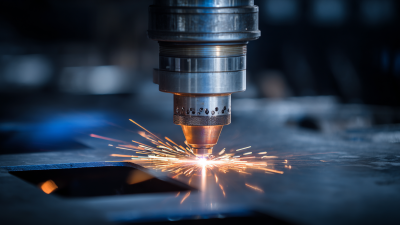
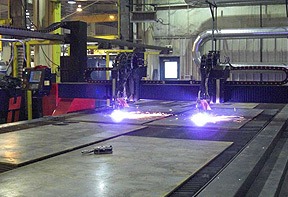
Common cutting machines include laser cutters, plasma cutters, and waterjet cutters. According to a recent industry report, laser cutting machines dominate the market, holding a 37% share due to their precision and versatility. Plasma cutters are favored for their speed and efficiency in cutting metals, while waterjet cutters are renowned for their ability to cut through thick materials without affecting their structural integrity. Each type serves distinct purposes, indicating that one size does not fit all.
Choosing the right machine involves evaluating specific requirements. Factors such as material type, thickness, and desired precision matter greatly. Additionally, as technology evolves, some machines become outdated quickly. A recent survey revealed that 62% of businesses plan to upgrade their cutting machines within the next three years. This indicates a need for continuous investment in modern technology to stay competitive.
Key Features to Consider When Choosing a Cutting Machine
Choosing the right cutting machine can significantly impact production efficiency. Key features play a vital role in making this decision.
Speed is crucial; a machine's cutting speed directly affects output rates. According to industry studies, machines with higher speeds can increase productivity by up to 30%.
Precision is equally important. A cutting machine must deliver consistent accuracy to reduce material waste. Reports indicate that precision improvements can decrease scrap rates by 25%.
Another essential factor is the machine's versatility. A flexible cutting machine allows for various materials and thicknesses. This adaptability can enhance an operation's capability to meet diverse customer needs. User-friendly interfaces also matter. A machine that is easy to operate can lead to reduced training time, which is a common oversight in many factories.
Finally, consider maintenance requirements. Machines that demand frequent upkeep can hinder overall productivity. It's crucial to balance features with reliability. Investing in a machine with lower downtime can lead to higher overall efficiency. Manufacturers often overlook this aspect, focusing more on initial speed and accuracy, which can be misguided. Understanding these factors can lead to smarter investments and enhanced operational success.
Top 10 Cutting Machines for Efficient Production
Choosing the right cutting machine is crucial for efficient production. Each option has distinct features, tailored for specific tasks. A precise machine can significantly enhance output and reduce waste. Factors such as speed, blade quality, and material compatibility matter. It's not enough to simply choose the most expensive model; consider your unique needs.
Many production environments face challenges. Sometimes, machines underperform or break down, leading to delays. Having backup options or maintenance plans is wise. Production demands can shift, so flexibility in machine choice is key. Evaluate your workflow and integration ability before committing.
Investing in a cutting machine involves thorough research. Read user reviews and seek expert opinions. Look for details like energy efficiency and ease of use. Machines that seem perfect may have hidden drawbacks. Regular checks and adjustments ensure optimal performance.
Top 10 Cutting Machines for Efficient Production
Comparative Analysis of Performance and Price of Leading Brands
When assessing cutting machines, performance and price are crucial factors. Industry reports indicate that the efficiency of a cutting machine can vary significantly among brands. The best machines can increase production by up to 30%, while less efficient models might barely meet basic cutting demands. An analysis of multiple models reveals that spending more does not always guarantee superior results. Some competitively priced machines outperform high-end options in critical areas like speed and precision.
Tips: Always match the machine’s capabilities with your production needs. This can significantly influence your investment decision. Look for user reviews and expert analyses for insight. Many of the top-rated machines often fall within a narrow price range, indicating that high costs don’t equate to the best performance.
Another key consideration lies in maintenance costs. A cheaper machine may have a lower initial price but can incur higher operational costs over time. A study found that machines requiring frequent repairs may lead to productivity loss. Thus, understanding the long-term implications of your choice is vital. Keep an eye on the warranty and service support, as they can add real value to your purchase.