What Are the Top 10 Plasma Cutting Tables in 2026?

Choosing a plasma cutting table in 2026 means looking beyond cutting speed. The right system must fit your materials, workload, floor space, and operator experience. A compact shop cutting occasional brackets has different needs from a production floor processing full sheets every day. Details matter: table capacity, torch compatibility, motion control, fume management, and service support can shape daily results.

This guide compares ten options through practical criteria rather than brand claims alone. It considers cutting area, construction, controls, software workflow, upgrade potential, and the support available to buyers. Where specifications vary by configuration, verify them with the manufacturer before purchase. A listed capacity does not always reflect the best production setting.

There is no universal winner. Not even close. A lower-cost table may suit a small workshop, while a more capable system may make sense for steady, demanding use. The comparison also notes trade-offs, because a feature-rich machine can bring added setup and maintenance demands. Some judgments are imperfect; real performance depends on material, consumables, setup, and operator skill. Use the rankings as a starting point, then match each plasma cutting table to your actual work. That is more useful than choosing by price or headline speed alone.
What Are the Top 10 Plasma Cutting Tables in 2026?

How Plasma Cutting Tables Work and What Defines Their Performance

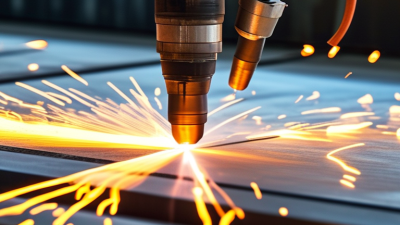
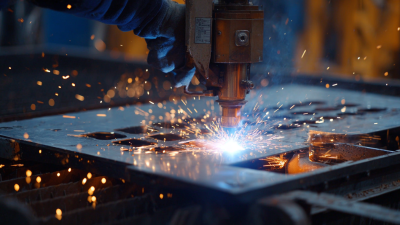
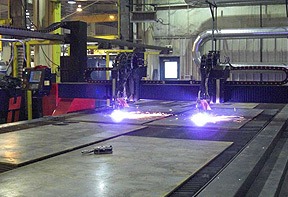
A plasma cutting table combines a CNC-controlled torch, a grounded work surface, and a system for managing heat and metal debris. Compressed gas passes through the torch, where an electrical arc turns it into a hot plasma stream. The stream melts conductive metal, while the moving torch follows programmed paths. The table’s slats support the sheet but leave gaps for sparks and molten material to fall through.

Performance depends on more than torch power. Motion accuracy, cutting speed, material thickness, and gas quality all affect the edge. A steady drive helps keep circles round and corners crisp. Proper airflow matters, too; smoke and fine particles need effective extraction. On a practical level, clean slats and a level sheet can prevent cut defects that appear to be machine faults. Small details count.

For a buyer comparing tables in 2026, useful questions include how repeatable the motion is, how quickly settings can be adjusted, and how accessible routine maintenance feels. A sharp-looking sample cut is helpful, but it does not prove consistent results across a full shift. Watch the machine cut several shapes, then inspect the edges for dross and bevel. Real performance is sometimes less tidy than a specification sheet suggests. That deserves a second look.

Criteria for Evaluating Plasma Cutting Tables in 2026

A useful comparison of plasma cutting tables in 2026 starts with the work they must handle. Check the cutting area against your largest routine sheet, not just an occasional oversized project. Then compare rated thickness with the materials you actually cut. Maximum capacity can be misleading: repeated cuts near that limit may slow production or reduce edge quality. Ask how the machine performs on your usual steel thickness.

Motion and torch control matter just as much. Look for stable gantry movement, consistent height sensing, and settings that operators can adjust without guesswork. A rough test cut can reveal more than a polished specification sheet. Inspect the edge for dross, bevel, and heat distortion. Also consider the table’s slats, fume extraction, and access for cleaning; sparks and metal dust accumulate quickly. Software compatibility, training, service response, and replacement-part availability affect real operating costs. Track those details alongside purchase price. Be skeptical of claims without test conditions. I have seen impressive figures mean little when material, consumables, or cut speed were not stated. No single score fits every shop. A small fabrication space may value compact installation, while a busy production floor may prioritize uptime and repeatable accuracy.

The Top 10 Plasma Cutting Tables of 2026

The Top 10 Plasma Cutting Tables of 2026 should be judged by more than cutting speed. A useful shortlist includes compact hobby tables, water-bed designs, downdraft systems, heavy-duty production beds, and portable units. Compare usable cutting area, torch-height control, software compatibility, service access, and supported material thickness. The International Federation of Robotics reported 4.28 million industrial robots operating in factories worldwide in 2023, up 10% from 2022. That figure reflects broader factory automation, not plasma-table sales, but it highlights why controller integration and repeatable positioning matter. Small details count.

A table that cuts cleanly on thin sheet may struggle with thick plate or long production runs. Check the manufacturer’s stated duty cycle, then confirm it against your expected workload. Review cut-quality samples at the thicknesses you actually use. Also inspect the slats, grounding points, and fume-control setup; these affect daily upkeep as much as headline speed. Rankings can be imperfect. A strong fit depends on shop space, power supply, and operator experience—not just specifications.

Tips: Before comparing the top 10, measure your largest workpiece and leave room for loading. Ask for a test cut using your material and consumables. Record edge bevel, dross, and pierce consistency. A quick demonstration can reveal more than a polished spec sheet.

What Are the Top 10 Plasma Cutting Tables in 2026? — The Top 10 Plasma Cutting Tables of 2026

A practical comparison of ten widely used plasma-table configurations, ranked by versatility, shop fit, and typical application. These are configuration types rather than branded products.

Rank Table Configuration Typical Working Area Best Suited For Typical Material Range Common Features
1 4 × 4 ft CNC water-table system 48 × 48 in (1,219 × 1,219 mm) Small fabrication shops, repair work, and compact parts Mild steel, stainless steel, and aluminum; capacity depends on the plasma power source Compact footprint, CNC motion, water pan for fume and dust control
2 4 × 8 ft CNC downdraft table 48 × 96 in (1,219 × 2,438 mm) General fabrication and standard sheet processing Common sheet metals; cut thickness varies with torch and power-source rating Standard sheet format, zoned extraction, CNC torch-height control often available
3 5 × 10 ft CNC water-table system 60 × 120 in (1,524 × 3,048 mm) High-volume sheet cutting and larger fabricated components Steel, stainless steel, and aluminum sheet or plate within the system’s rated capacity Large cutting envelope, water-based fume management, options for automated nesting
4 5 × 10 ft CNC downdraft table 60 × 120 in (1,524 × 3,048 mm) Production shops that need dry cutting and integrated extraction Sheet and plate metals; practical thickness is determined by the power source Sectioned extraction zones, replaceable slats, connection to a suitable dust collector
5 4 × 8 ft entry-level CNC table 48 × 96 in (1,219 × 2,438 mm) New CNC users, small manufacturers, and occasional production Thin to medium-gauge conductive metals, subject to the installed plasma system Simpler controls, compact installation, suitable for learning CNC cutting workflows
6 Heavy-duty plate-cutting table Commonly 5 × 10 ft or larger Structural fabrication and heavier plate applications Medium and heavy plate; maximum thickness depends on torch, power, and cutting speed Reinforced frame, robust slat support, heavy-duty gantry and torch-height control
7 Compact 2 × 2 ft CNC table 24 × 24 in (610 × 610 mm) Prototyping, small parts, education, and limited-floor-space workshops Thin sheet metals and smaller conductive workpieces Small footprint, low material handling demands, convenient for short-run work
8 Tube-and-pipe plasma cutting system Rotary axis; capacity specified by tube diameter and length Cutting holes, slots, and profiles in round or square tubing Conductive steel, stainless steel, and aluminum tubing within machine limits Rotary chuck or roller support, synchronized rotation, tube-specific CNC software
9 Portable modular CNC table Typically about 2 × 4 ft to 4 × 8 ft Mobile work areas, job sites, and shops needing a relocatable system Sheet and plate metals within the plasma source’s rated cutting range Modular frame, comparatively easy transport, fast setup and breakdown
10 Multi-process CNC plasma table Commonly 4 × 8 ft or 5 × 10 ft Shops combining plasma cutting with marking or other compatible processes Conductive sheet and plate; process capabilities depend on installed equipment Expandable tooling, integrated motion control, potential for marking or bevel options

Working areas and application descriptions are representative industry configurations, not specifications for a particular machine. Cutting capacity, accuracy, speed, extraction requirements, and supported materials vary by plasma power source, torch, consumables, table construction, and operating conditions. Confirm rated specifications with the equipment supplier before purchase.

How the Top Tables Compare in Features and Applications

The top ten plasma cutting tables in 2026 differ more by application than by cutting speed. Compact tables suit signage, repair work, and small fabrication shops. Larger gantry systems handle structural steel, agricultural parts, and repeated production. A useful comparison begins with the working area, torch height control, drive accuracy, and software stability.

Power also changes the result. Lower-amperage systems can produce clean cuts on thin sheet metal, while high-amperage tables manage thicker plate with fewer passes. Water tables reduce smoke and heat, but they require regular cleaning and corrosion control. Downdraft systems keep the bed dry and may fit workshops with limited water access. Some advanced tables add bevel cutting, pipe rotation, automatic nesting, and collision sensors. These features matter only when the work actually needs them.

In practical shop testing, cut quality depends on setup as much as hardware. Clean air, correct consumables, grounded material, and stable voltage remain essential. A fast table can still create rough edges when settings are poorly matched. Not every operator needs automated nesting. That is easy to overlook. Schools may value guarded motion and simple controls, while production teams usually prioritize cycle time, diagnostics, and service access. I would also question rankings based only on advertised speed; long-term maintenance, software learning time, and replacement-part availability often decide the real cost.

Factors to Consider When Choosing a Plasma Cutting Table

What Are the Top 10 Plasma Cutting Tables in 2026?

Choosing among the top plasma cutting tables in 2026 requires more than comparing prices. Start with cutting capacity, table size, and the material thickness you actually process. A 4-by-8-foot bed suits common sheet work, but a smaller workshop may waste valuable floor space. Check the power source, torch rating, and duty cycle carefully. A machine rated for occasional cuts may struggle during long production runs.

Tips: Inspect the motion system before buying. Rack-and-pinion drives should move smoothly, without noticeable backlash. Ask for cut samples on steel similar to your own. A clean edge at 6 millimeters proves more than a glossy specification sheet. I once trusted a fast travel-speed claim and overlooked vibration. The cuts looked rough. That mistake was expensive.

Software compatibility also matters. Confirm whether the control system supports your preferred design files and nesting workflow. Automatic height control can protect the torch when sheets are uneven. Fume extraction deserves equal attention, especially in enclosed workshops. Review documented electrical safety compliance, ventilation guidance, warranty terms, and local service availability. Reliable support may matter more than a slightly lower purchase price. Leave room for maintenance access. No machine performs well when technicians must work against a wall.