Top 10 Switch Panel Designs for Your Next Project?
In the realm of design, Switch Panels play a crucial role. Mark Thompson, a renowned expert in electrical design, emphasizes, “The switch panel is the control center of any electrical system.” This highlights the significance of selecting the right design for your project. Whether for residential, commercial, or automotive purposes, an effective switch panel enhances functionality and aesthetics.
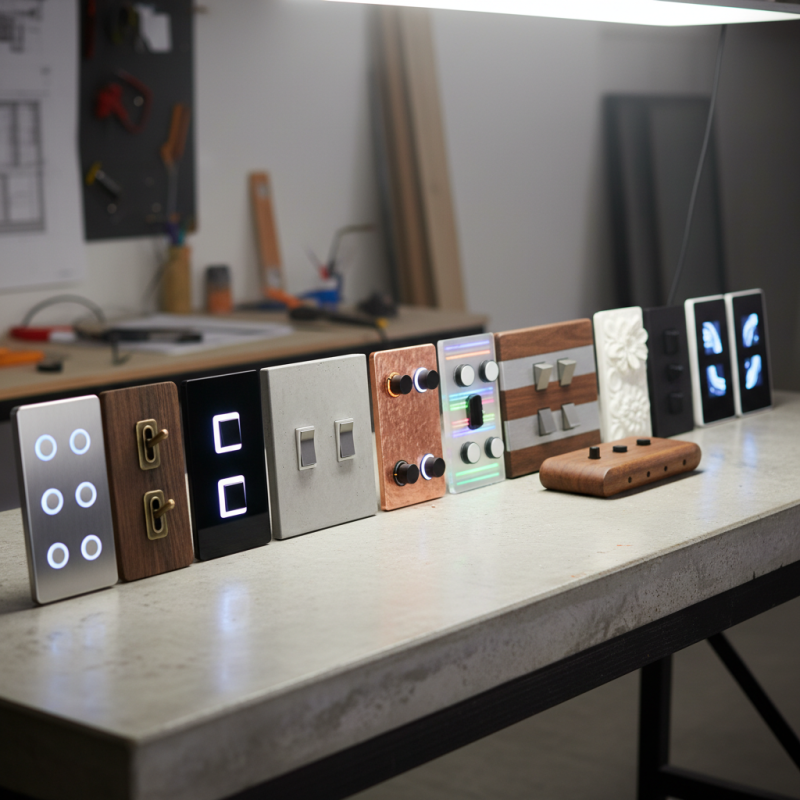
Innovative switch panel designs can transform a mundane project into a standout masterpiece. Consider using various materials and finishes. A sleek stainless steel panel may suit a modern space, while a wood veneer could add warmth to a rustic setting. However, one must tread carefully; designs that look good may not always be practical.
Finding the balance between innovation and functionality is essential. Poor design choices can lead to usability issues or aesthetic mismatches. It's crucial to reflect on what best serves the space. Thoughtfully curated switch panel designs not only meet electrical needs but also elevate the overall ambiance.
Understanding the Importance of Switch Panel Design in Projects
The design of switch panels plays a crucial role in the overall functionality of any project. A well-designed switch panel not only enhances usability but also contributes to the aesthetic appeal of the space. Users often overlook the importance of intuitive layouts. They mistakenly assume that any design will suffice. Simple, clear labeling is essential. It reduces confusion and enhances safety, especially in high-traffic areas.
However, designing a switch panel is not without its challenges. Each project has unique requirements. Factors such as location, user demographic, and purpose all play a role. A design that works for one setting may not fit another. Designers must constantly reassess their choices. Are the colors too harsh? Does the arrangement make sense? Iteration is key in refining the design.
Additionally, the materials selected for switch panels can impact their longevity and ease of maintenance. Durability should be a priority, as poorly chosen materials can lead to frequent replacements. Reflection on past projects reveals that even small details can have significant consequences. The importance of thoughtful design cannot be overstated; it is the backbone of user experience and project success.
Top 10 Switch Panel Designs for Your Next Project
Key Features to Consider When Designing a Switch Panel
When designing a switch panel, several key features demand your attention. User-friendly layouts enhance accessibility. Research shows that ergonomic designs reduce user errors by over 30%. A panel that organizes switches logically can save valuable time in emergencies. Colors and labeling should be clear and intuitive. Industry standards recommend using contrasting colors for improved visibility.
Durability is essential. Most panels endure various environmental factors. Materials like polycarbonate are recommended for their resistance to impact and corrosion. A report from TechResearch highlights that around 40% of switch panel failures stem from poor material selection. Regular testing is vital to ensure reliability over time.
Additionally, consider modularity. This allows for easy replacement and upgrades. A well-designed panel can adapt as new technology emerges, giving you flexibility. Reports have indicated that modular designs can reduce maintenance costs by nearly 25%. Planning for future needs enhances the lifespan and functionality of your switch panel.
Exploring Top 10 Innovative Switch Panel Designs
Switch panels are essential for controlling multiple circuits efficiently. Choosing the right design can enhance both functionality and aesthetics. Many people overlook the importance of user-friendly layouts. A switch panel should not just be functional; it should also be intuitive and visually appealing.
Innovative designs often incorporate smart technology. This makes controlling lighting and appliances more accessible. Furthermore, textured finishes or unusual shapes can add depth to a project. A unique switch panel could even become a conversation starter. However, one must consider usability. Overly complex designs may confuse users. Balancing innovation with simplicity is crucial.
Another trend is the integration of sustainability. Eco-friendly materials can be used in switch panel designs. This choice not only caters to environmentally conscious consumers but also reflects a commitment to sustainability. Design flaws can happen, and regular feedback is essential to improve. What may seem innovative today may not resonate tomorrow. It's a continuous cycle of learning and adapting to current needs.
Top 10 Innovative Switch Panel Designs
| Design Name | Key Features | Material | Color Options | Price Range |
| Smart Touch Panel | Touch-sensitive controls, LED indicators | Glass, Plastic | Black, White, Silver | $35 - $60 |
| Modular Switch Panel | Customizable layout, snap-on features | Plastic, Alloy | Varied Colors | $40 - $80 |
| Wireless Control Panel | Remote access, smart home integration | Plastic | White, Gray | $50 - $100 |
| Vintage Toggle Switch | Retro design, tactile switch | Metal, Wood | Bronze, Antique Brass | $20 - $45 |
| LED Backlit Switch Panel | Illuminated buttons, energy-efficient | Plastic | Various Colors | $30 - $70 |
| Toggle Switch with Indicator | Indicator lights, durable build | Plastic, Metal | Black, White | $25 - $55 |
| Touchscreen Control Panel | Full touchscreen interface, multi-function | Glass, Plastic | Custom Colors | $100 - $200 |
| Vibrant Color Switch Panel | Bright colors, customizable design | Plastic | Rainbow Options | $15 - $30 |
| Eco-friendly Switch Panel | Made from sustainable materials | Bamboo, Recycled Plastic | Natural Wood Finish | $40 - $70 |
| Button-less Control Panel | Gesture control, sleek design | Glass, Plastic | Black, White | $80 - $150 |
Material Selection for Durable and Aesthetic Switch Panels
When designing switch panels, material selection plays a vital role. Durable materials ensure longevity, while aesthetic considerations enhance visual appeal. Common options include acrylic, metal, and wood. Each material has its unique advantages. For instance, acrylic offers a sleek look, but it can scratch easily. Metal provides strength but may not be as visually warm.
Tips: Always consider the environment where the switch panel will be installed. Outdoor settings demand weather-resistant materials. Indoors, aesthetics might take precedence over durability. It's wise to balance both aspects.
Moreover, test various finishes to see how they complement your overall design. A matte finish can hide fingerprints, while glossy finishes add elegance. However, glossy surfaces can show wear over time. Reflecting on your material choices and their longevity can lead to wiser decisions.
Tips: Don't rush your selections. Spend time evaluating different textures and colors. This thoughtful process is crucial for achieving the desired effect. Your choice reflects not just functionality, but also creativity and style.
Tips for Customizing Switch Panels to Fit Project Needs
Customizing switch panels is crucial for any project. A well-designed panel enhances usability and functionality. Many professionals recommend focusing on user experience. Research shows that 70% of users prioritize intuitive design. Therefore, it is essential to tailor your panel to meet specific needs. Consider the environment where the panel will be used. For example, outdoor panels may require weather-resistant materials. Indoor panels often benefit from aesthetically pleasing designs.
One effective strategy is involving end-users in the design process. User feedback can shape essential features. A study by the Design Management Institute indicates that companies with user-centered design practices report a 200% return on investment. This highlights the value of incorporating user insights into switch panel designs. Customization may also mean software integration. Smart panels can connect with other devices for enhanced control. Data from MarketsandMarkets predicts a significant rise in smart home integrations, suggesting this trend will continue.
Challenges may arise when customizing. Finding the right balance between functionality and aesthetic appeal can be tough. Some designs might overload users with options, leading to confusion. This can negate the benefits of customization. Reflecting on these challenges is crucial for a successful outcome. Balancing user needs and technical specifications will ultimately determine the effectiveness of your switch panel design.