Top 10 Agricultural Tipper Trailers at Canton Fair 2026?
The upcoming Canton Fair in 2026 promises to be an exciting event for the agricultural sector, particularly for those interested in Agricultural Tipper Trailers. Experts like John Smith, a renowned agricultural machinery analyst, stated, “The right trailer can significantly enhance farm productivity.” This year's event, running from April 15 to May 5, focuses on advanced manufacturing and high-quality products.
With innovations like AI-driven search and navigation, buyers can easily find suppliers with certifications like ISO and CE. Finding the best Agricultural Tipper Trailer will be streamlined, but challenges remain. Some visitors may still struggle with the vast exhibition space, which spans 1.55 million square meters.
High-quality Agricultural Tipper Trailers are crucial for efficient farming. However, not all options meet the standards required by modern farms. Buyers should carefully evaluate their choices. The fair provides a perfect platform for this critical decision-making process. As businesses seek to optimize their operations, the right information and products will be essential.
Overview of Agricultural Tipper Trailers Market Trends in 2026
The agricultural tipper trailer market is evolving rapidly in 2026. Market research indicates a significant demand surge, estimated to grow by 15% annually. This is driven by increased mechanization in agriculture. Farmers seek efficient ways to transport goods. Tipper trailers provide essential solutions, enhancing productivity on farms.
In China, data reveals a rise in trailer sales, particularly in rural areas. This trend aligns with government initiatives to support modern farming practices. Agricultural tipper trailers are favored for their versatility. They can handle various loads, from grains to livestock feed. However, the market faces challenges. Not all manufacturers meet safety standards. Quality inconsistency raises concerns among buyers.
Consumer preferences are shifting towards eco-friendly materials. The use of sustainable practices is becoming vital. Unfortunately, many businesses struggle with implementing these changes. Some trailers still rely on traditional manufacturing processes. This disconnect may hinder market growth despite increasing interest in environmentally friendly options. The future holds potential, but industry players must adapt to stay competitive.
Key Features and Specifications of Top Agricultural Tipper Trailers
At the Canton Fair 2026, agricultural tipper trailers take center stage. These trailers are essential for efficient farming operations. Their designs focus on durability and functionality. Each trailer offers unique specifications that cater to various agricultural needs.
Many tipper trailers feature lightweight materials. This reduces fuel consumption. Some come with hydraulic lifting systems, ensuring easy unloading. A few models include reinforced frames for heavy-duty tasks. The axle configurations vary, which impacts load capacity. It’s essential to choose a trailer that matches your specific needs.
However, not all trailers excel in every aspect. Some may lack adequate stability when fully loaded. Buyers should reflect on their primary usage scenarios. Some trailers struggle with muddy terrain, affecting performance. It’s crucial to investigate reviews and specifications closely before making a purchase. This ensures a well-informed investment.
Leading Manufacturers Showcased at the Canton Fair 2026
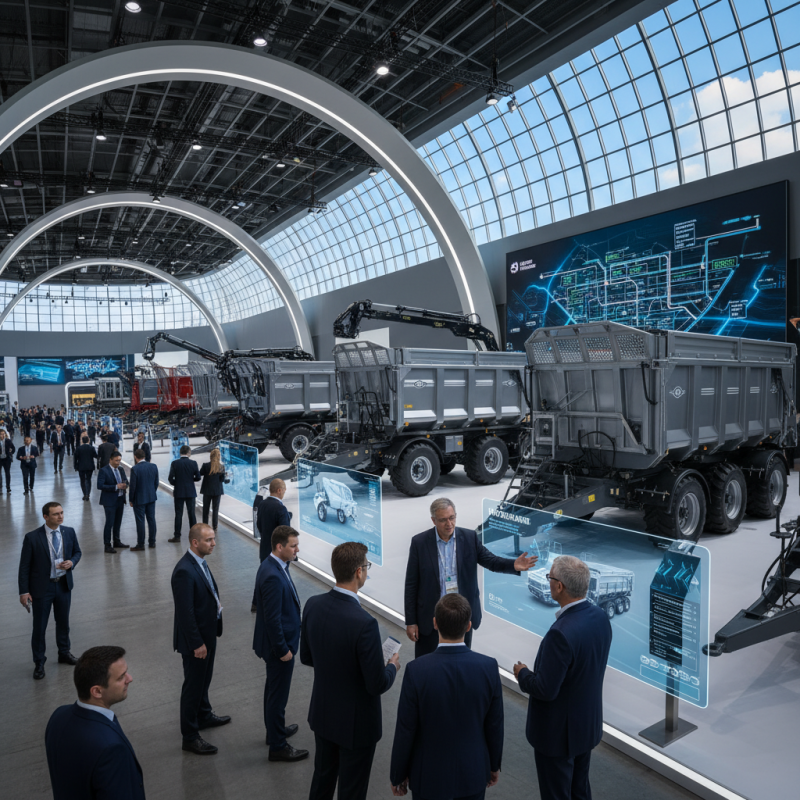
The Canton Fair 2026 showcased various agricultural tipper trailers. Leading manufacturers gathered to present their innovations. These trailers are essential for modern farming. They help transport goods with efficiency and reliability.
One standout feature was the design. Many trailers boasted advanced hydraulic systems. These systems improved unloading speed, a key concern for farmers. Additionally, some trailers had customizable sizes. However, not every design met the demands shown by visitors. Feedback highlighted issues regarding weight capacity and durability.
The fair offered insights into future trends. Sustainability was a hot topic. Many manufacturers are looking into eco-friendly materials. Yet, the practical application of these ideas remains uncertain. Each trailer tells a story of progress and challenges. Adjustments will be essential as the agricultural landscape evolves.
Top 10 Agricultural Tipper Trailers at Canton Fair 2026
This chart displays the capacity in tons of the top 10 agricultural tipper trailers showcased at the Canton Fair 2026. The data highlights advancements in design and efficiency among leading manufacturers without disclosing their identities.
Comparative Analysis of Performance and Efficiency of Trailers
When exploring agricultural tipper trailers at the Canton Fair 2026, performance and efficiency stand out as key factors. Many trailers show advanced designs, yet practical efficiencies vary. Some models boast high capacity while others focus on maneuverability. It's crucial to analyze these aspects closely.
Durability is another critical point. Some trailers are built from lightweight materials that may not withstand heavy loads. Others use heavy-duty components but can be cumbersome in smaller fields. Users often need to balance weight and strength based on their specific needs. Observations of operational costs reveal that more durable trailers often lead to lower long-term expenses.
Field tests indicate that efficiency can be misleading. Initial speed may not reflect the average performance during busy harvest seasons. Trailers that excel in tests might not perform as expected under pressure. Feedback from users highlights the importance of real-world data over theoretical models. Understanding these subtleties will empower buyers to make informed decisions at the fair.
Future Innovations in Agricultural Tipper Trailer Technology
The agricultural sector continues to evolve. Traditional tipper trailers are now giving way to innovative designs. Features like automation are becoming more common. The goal is to increase efficiency in transporting crops. Modern trailers may include smart sensors to monitor load weight. These sensors can alert drivers about potential overloads. This could help prevent accidents and equipment damage.
Additionally, eco-friendly materials are gaining traction. Sustainable production methods are a focus for manufacturers. Light-weight designs reduce fuel consumption. This benefits the environment and the farmer's pocket. Innovations in hydraulic systems promise faster unloading. Yet, as complexity increases, reliability can be a concern. Farmers may struggle with maintenance and repair challenges.
As technology advances, so does the need for skilled operators. Training is essential to handle new machinery. User-friendly interfaces can make a big difference. However, they should not replace thorough knowledge. The balance between technology and traditional methods remains crucial. This juggling act will define the future of agricultural tipper trailers.