The oil and gas industry faces constant pressure to enhance production efficiency. In this competitive landscape, understanding Artificial Lift Technologies is crucial. According to a recent report by MarketsandMarkets, the artificial lift market is projected to reach $16.7 billion by 2027. This growth underscores the importance of innovative solutions in the sector.
Dr. Emily Carson, a leading expert in Artificial Lift Systems, emphasizes, "Optimizing artificial lift methods can significantly improve resource extraction and operational success." The various technologies available—such as electric submersible pumps, rod pumps, and gas lift—each offer unique benefits but present challenges that require careful consideration.
While these technologies boost production, there are inherent risks. Selecting the right system often involves trade-offs in cost effectiveness and maintenance requirements. Companies must analyze their specific needs before making decisions. Embracing advancements in Artificial Lift Technologies offers promise, yet it invites reflection on the complexities and potential pitfalls involved in implementation.
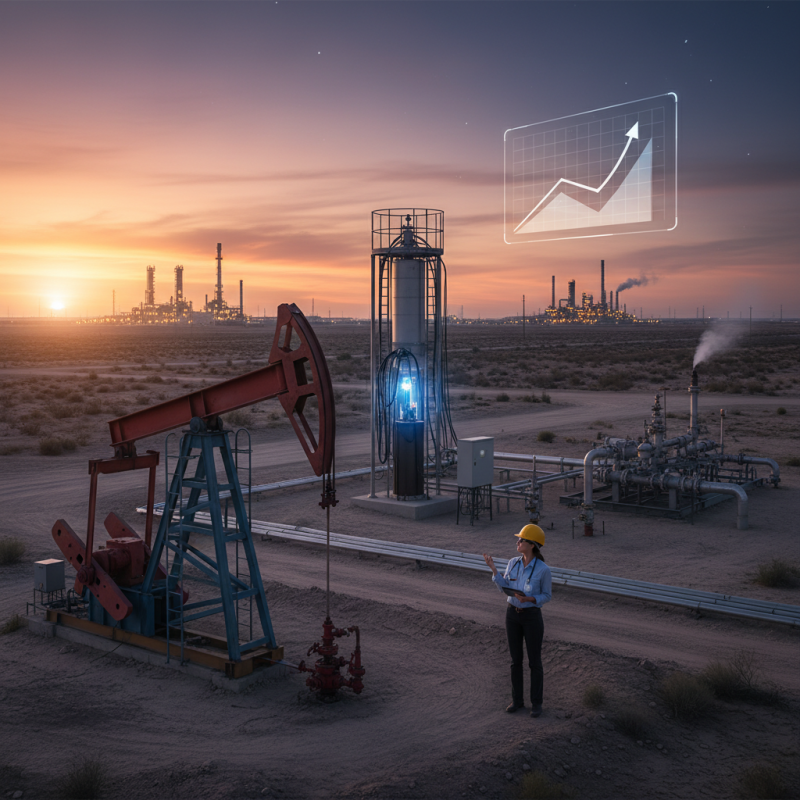
Artificial lift technologies are crucial in the oil and gas industry. They enhance production from wells by lifting the crude oil to the surface. These methods are essential where natural pressure is insufficient. Various types exist, each serving specific well conditions and reservoir types.
Understanding these technologies helps optimize production. For instance, gas lift systems use injected gas to reduce fluid density. This method allows more oil to flow. On the other hand, electrical submersible pumps (ESPs) are efficient for high-volume production. They operate underwater and can handle significant depths.
Tip: Always assess your well's characteristics before selecting a technology. This ensures you use the most effective method. Additionally, keep an eye on maintenance. Regular checks enhance the longevity of the system.
Artificial lift is not without challenges. Sometimes, the equipment can fail or underperform. These issues may lead to unexpected costs. It’s vital to have a reliable monitoring system. Early detection of problems saves time and resources. Consider the economic aspects carefully.
| Technology | Description | Advantages | Common Applications | Limitations |
|---|---|---|---|---|
| Rod Pumping | Mechanically lifts fluids using a rod string connected to surface equipment. | Reliable and cost-effective for high-viscosity fluids. | Onshore oil fields, mature wells. | Limited to certain depths and fluid types. |
| Electric Submersible Pump (ESP) | A multi-stage centrifugal pump submerged in the fluid to be lifted. | High efficiency and capacity, suitable for various fluid types. | Deep wells, offshore applications. | High power consumption and operational costs. |
| Gas Lift | Injects gas into the well to reduce fluid density and enhance lift. | Good for high gas-to-oil ratio wells. | Heavy oil production, offshore facilities. | Dependent on gas supply and well conditions. |
| Progressing Cavity Pump (PCP) | Uses a helical rotor within a stator to move fluid upward. | Handles high-viscosity fluids and solids. | Heavy oil, crude oil with solids. | Wear and tear can affect performance. |
| Plunger Lift | Uses a plunger to lift fluids in a cycle, allowing for gas expansion. | Low operational costs and less down time. | Low to medium production wells. | Not efficient in high-water cut wells. |
Artificial lift systems play a crucial role in optimizing oil production. They help extract fluids from wells where natural pressure is insufficient. Understanding these systems helps operators make informed decisions. According to the 2022 “Oil & Gas Global Market Report”, more than 50% of oil wells employ artificial lift technology.
These systems vary, including gas lift, rod pumping, and electric submersible pumps (ESPs). Each has unique principles. Gas lift uses gas injection to reduce liquid density. Rod pumping, with its long rods, lifts liquids efficiently. ESPs are favored for deep wells, capable of handling high flow rates.
Tips: Choose a technology based on well depth and fluid type. Evaluate production rates to find the best fit. Monitor performance regularly. Failing to address inefficiencies can lead to significant production losses. Investing in technology is vital, but continuous assessment ensures sustainability.
Artificial lift technologies play a crucial role in maximizing oil and gas production. Understanding the differences among these methods can help operators choose the best fit for their needs. Gas lift uses high-pressure gas to lift fluids, making it suitable for various well conditions. It is relatively simple yet requires careful management of gas supply and pressure levels.
Rod pump systems combine mechanical power with hydraulic fluid. They are effective in low to medium production rates. However, rod pumps can lead to wear and tear, requiring frequent maintenance. Progressive cavity pumps are another option. They excel in handling viscous fluids, but their mechanical complexity can lead to operational challenges.
Each technology has its pros and cons. Operators must assess factors like well depth, fluid type, and production rate. Making a choice is not always clear-cut. Sometimes, a mixed approach can yield the best results. Embracing the nuances of each technology is essential in today’s evolving landscape.
Artificial lift technologies play a crucial role in enhancing oil recovery. Each type has unique benefits and applications. Among these, rod pump systems are popular for their simplicity. They work well in low to moderate volume wells. This technology is cost-effective and offers easy maintenance. However, they can struggle in highly gassy environments.
Another notable technology is the centrifugal pump system. This type is suited for high production rates. Just like rod pumps, they require a robust power supply. Yet, they tend to be more complex, which can lead to installation challenges. The efficiency and flow capabilities are generally impressive, but this complexity can sometimes hinder quick troubleshooting.
Progressing cavity pumps offer a different approach with their ability to handle varying fluid types. They can even manage high-viscosity fluids. This versatility is valuable in diverse applications. But these pumps may face issues with wear over time, which requires regular checks. Understanding these advantages and limitations is essential for effective application in the field.
Artificial lift technologies are evolving rapidly. Recent studies show that up to 80% of oil wells require some form of artificial lift to optimize production. The focus is now on improving efficiency. New methods such as gas lift and electrical submersible pumps are leading the charge. However, these technologies still face significant challenges.
One notable trend is automation. A report from the Society of Petroleum Engineers states that automated systems can reduce operating costs by up to 30%. However, the implementation of these systems often leads to unforeseen complications. Human oversight remains essential, as machines can malfunction or misinterpret data.
Additionally, hybrid systems combining different lift techniques are gaining traction. This approach aims to maximize production and adapt to varying reservoir conditions. Despite the potential benefits, hybrid systems can complicate maintenance and require specialized training. As the industry pushes toward innovation, balancing efficiency with practicality poses an ongoing challenge.