Top CO2 Laser Cutting Machines for Global Buyers?
The global industry for CO2 laser cutting machines has seen tremendous growth. According to a report by MarketsandMarkets, the market size is expected to reach $5 billion by 2025. This upward trajectory highlights the importance of investing in high-quality machines. Experts suggest that global buyers should prioritize precision and efficiency when selecting their equipment.
Dr. Emily Zhang, a leading authority in laser technology, emphasizes the significance of innovation. She states, "The right CO2 laser cutting machine can drastically enhance production capabilities." This insight reflects a common sentiment in industry circles. Buyers must consider specifications meticulously to find machines that meet their distinct needs.
However, not all machines offer the same reliability. Some models may promise high speed but fall short in quality. Potential buyers must navigate this landscape carefully. Engaging with trusted suppliers and conducting thorough research is essential. Such diligence can lead to successful investments and optimized manufacturing processes.
Overview of CO2 Laser Cutting Technology
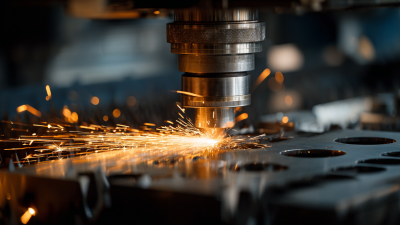
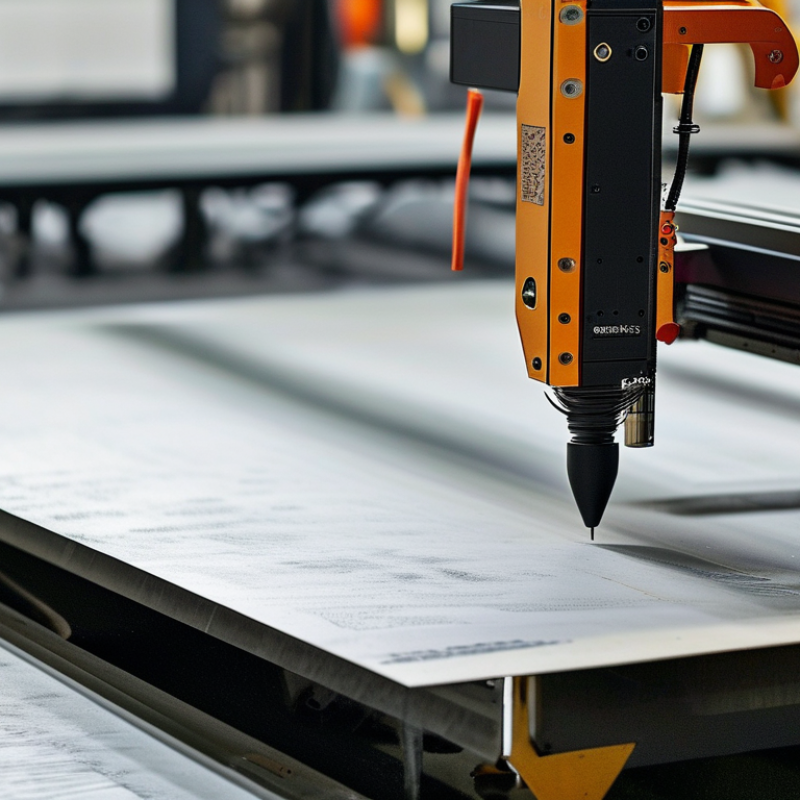
CO2 laser cutting technology has transformed various industries. It uses a high-powered laser beam to cut materials with precision. Most commonly, this technology is applied to metals, plastics, wood, and fabrics. The cutting process involves melting, burning, or vaporizing the material, leading to clean edges and minimal waste.
When considering CO2 laser cutters, ensure the machine matches your material needs. Not every machine handles all materials equally. The thickness and density of the material can affect the cutting speed. Sometimes, choosing a machine with adjustable settings is essential to achieve the best results.
Also, machine maintenance is crucial for optimal performance. A well-maintained laser cutter can operate efficiently for years. Regular cleaning of optics and checking for alignment are simple yet effective practices. Understanding the machine's capabilities is important to avoid potential errors. Sometimes, users may overlook simple adjustments, leading to frustrating outcomes. Knowing these can save both time and resources.
Key Features to Consider When Buying CO2 Laser Cutting Machines
When considering CO2 laser cutting machines, several key features stand out. Power is crucial for efficiency. Machines with adjustable power settings offer flexibility for different materials. A higher wattage often leads to faster cutting, but balance is essential. Overpowered machines may burn or damage delicate materials.
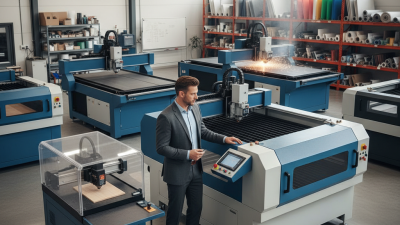
Another important aspect is the cutting area. Larger cutting beds enable the processing of bigger workpieces. However, larger machines can take up valuable space. Precision is vital in laser cutting. Look for machines with high resolution options to achieve intricate designs.
Advanced features such as automatic focusing and integrated cooling systems enhance performance. These elements can improve productivity and reduce downtime. While these technologies add value, they can complicate operation. Operators may need additional training to utilize advanced settings effectively.
Top Brands and Models in the CO2 Laser Cutting Market
When looking for CO2 laser cutting machines, global buyers face numerous options. The market is filled with different brands and models, each offering unique features. High-quality machines emphasize precision and efficiency. Some models excel in cutting speed, while others shine in material versatility.
Understanding your specific needs is crucial. Evaluate what materials you’ll be cutting. Some machines handle wood and acrylic better than metals. Research the user interface as well. A more intuitive system can save time and reduce operational errors.
Consider maintenance aspects too. Regular upkeep can prolong the machine’s lifespan. Inadequate attention may lead to reduced performance. Also, remember to look for customer reviews. Feedback from other users can provide insights into the machine's reliability. Some users report initial difficulties with setup but later appreciate better functionality.
Comparative Analysis of Pricing and Performance
When comparing CO2 laser cutting machines, pricing and performance are key factors for buyers. The market offers a variety of options with different price ranges. Some machines provide advanced features at a higher cost, while others may have a lower price but lack certain functionalities. It's crucial to analyze specific needs before making a decision.
Performance can vary significantly across models. Higher-priced machines often provide greater speed and precision, which can enhance productivity. However, cost-effective options can still deliver decent results for small to medium-scale projects. Evaluating the overall value is essential, as the initial investment may lead to varying operational expenses over time.
It’s important to assess your production volume. For large-scale operations, investing in a high-performance machine might yield better returns. Remember to consider maintenance costs. Reliability affects long-term performance. Failing to account for these aspects can lead to unexpected expenses later. Focus on quality rather than just price. Select a machine that offers reliable support and guidance.
Global Market Trends for CO2 Laser Cutting Machines
The global market for CO2 laser cutting machines has been rapidly evolving. According to a recent industry report, the global market is expected to reach USD 3.5 billion by 2025, with a CAGR of over 5%. This growth is driven by various industries, including manufacturing, automotive, and aerospace. The versatility of CO2 lasers allows them to cut through various materials, such as wood, plastic, and metal, which makes them invaluable.
One significant trend is the increasing investment in automation and precision technology. Manufacturers are integrating advanced software to enhance cutting accuracy. This has led to efficiencies that can reduce production costs by up to 30%. However, the initial capital investment remains a challenge for many small to medium-sized enterprises. Balancing quality and cost is crucial. Many buyers express uncertainty about the long-term benefits versus the upfront costs.
Additionally, environmental considerations are prompting buyers to seek energy-efficient models. Reports highlight a growing demand for machines that consume less power while maintaining performance. Yet, the availability of such models can vary by region, leading to inconsistencies in the market. This uneven landscape creates a need for informed decision-making among global buyers.