Top Laser CNC Machine Manufacturers Worldwide?
Choosing the top laser CNC machine manufacturers worldwide requires more than comparing prices or advertising claims. Buyers need evidence from real workshops, documented specifications, and long-term customer support. A serious comparison should examine cutting accuracy, laser source quality, machine rigidity, software stability, safety systems, and service response times.
Theodore H. Maiman, the inventor of the first working laser, famously said, “A laser is a solution looking for a problem.” His observation still matters. A powerful laser cannot compensate for weak motion control, poor calibration, or unsuitable materials. In practice, a reliable laser CNC machine must produce consistent edges across repeated jobs, not just impressive samples in a showroom.
This guide evaluates leading manufacturers through an industry-focused lens. It considers production experience, engineering capability, certifications, global service networks, and user feedback. Established brands may offer stronger support, while newer manufacturers sometimes provide better value and faster innovation. That difference deserves attention.
No ranking is perfect.
Market data can change quickly. Regional service quality can also vary between distributors. Therefore, readers should verify specifications, installation requirements, warranty terms, and local technical support before purchasing. A machine cutting thin stainless steel beautifully may struggle with thick plate or delicate acrylic. Factory demonstrations do not always represent daily production.
The manufacturers discussed here are assessed for practical performance, credibility, and measurable value. The goal is not to promote the loudest brand. It is to help buyers identify a laser CNC machine that fits their materials, workload, budget, and future growth.
Definition and Core Functions of Laser CNC Machines
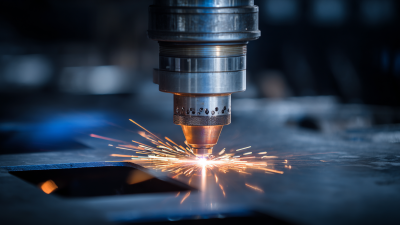
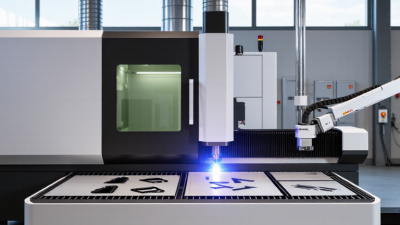
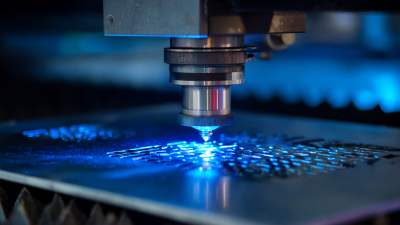
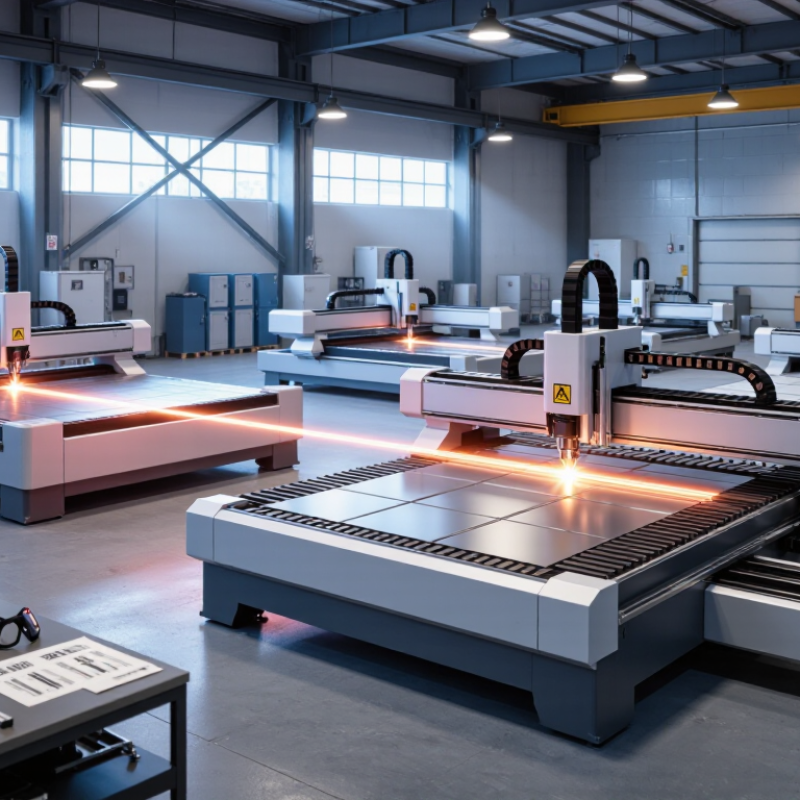
A laser CNC machine is a computer-controlled cutting and engraving system. It uses a focused laser beam to process materials along programmed paths. The CNC controller converts digital drawings into precise movements. The laser head controls power, speed, and pulse frequency.
Its core functions include cutting, engraving, marking, drilling, and limited surface cleaning. The machine can follow complex shapes repeatedly with minimal physical contact. This reduces tool wear and keeps small details sharp. In workshop testing, material thickness strongly affects cutting speed and edge quality. The beam stays focused. It is not magic. Heat can still cause discoloration, warping, or rough edges. Operators should verify the material’s composition before processing. A successful design file cannot correct poor settings or unstable ventilation.
Tips: Keep the lens clean and check alignment before production. Use test cuts on scrap material first. Record power, speed, and focus settings for each material. Never assume identical sheets will behave exactly alike. Moisture, coating, and density can change the result. A trained operator should inspect edges, fumes, and emergency controls regularly. Small adjustments often improve accuracy, although excessive power may damage fine details.
Key Evaluation Criteria for Selecting a Global Manufacturer
When comparing laser CNC machine manufacturers worldwide, evaluate more than catalog power ratings. A 2 kW system may cut thin steel efficiently, yet struggle with your actual thickness, tolerance, or production rhythm. Ask for sample parts made from your material. Inspect edge oxidation, burrs, hole roundness, and heat distortion. Request measured results, not attractive promises. Numbers matter. Verify repeatability across several batches, because one successful test proves little.
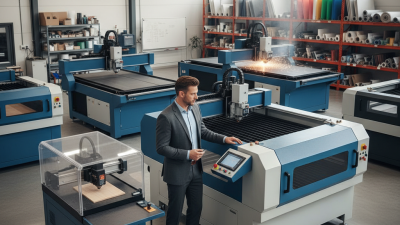
A reliable manufacturer explains the complete machine architecture. Review motion accuracy, laser-source stability, focusing control, extraction, software compatibility, and safety systems. Documentation should include maintenance intervals, alarm codes, replacement-part lists, and training hours. Check whether remote support reaches your time zone and whether technicians can arrive when production stops. Audit the factory if possible. Observe assembly cleanliness, calibration records, and final inspection practices. These details often predict service quality better than polished brochures.
Calculate ownership cost over five years. Include energy use, lenses, nozzles, filters, gas consumption, downtime, installation, and operator training. Speak with users operating similar materials and volumes. Ask what failed, how long repairs took, and which costs surprised them. Be cautious with the cheapest quotation; it may exclude essential tooling or commissioning. No checklist is perfect. My own evaluation would still leave room for doubt, especially when local service evidence is thin. Select a supplier that answers uncomfortable questions clearly and records every technical promise in the contract.
Leading Laser CNC Machine Manufacturers by Region and Specialty
Laser CNC machine manufacturers differ by region, materials, and production scale. Asia-Pacific remains the largest demand center. Grand View Research valued the global laser cutting machine market at approximately US$6.8 billion in 2023. Its report also identifies Asia-Pacific as the fastest-growing region through 2030.
Regional strengths are distinct. East Asian manufacturers often focus on high-speed fiber systems for sheet metal, electronics, and automotive parts. European producers generally emphasize precision, energy efficiency, and integrated automation for aerospace and medical components. North American suppliers commonly develop flexible platforms for job shops, heavy fabrication, and customized production lines. These differences matter. A machine designed for thin stainless steel may perform poorly on thick structural plate.
Specialization also separates serious manufacturers from ordinary equipment sellers. Fiber lasers suit reflective metals and lower operating costs. CO2 systems remain useful for selected nonmetal materials, including acrylic and wood. Ultra-short-pulse systems support fine marking and micro-machining, though their purchase price is considerably higher. MarketsandMarkets has reported strong growth in laser processing equipment, driven by automation, electronics, and additive manufacturing.
Technical claims require caution. Market reports use different definitions, so their forecasts do not always match. Buyers should verify beam quality, cutting tests, service response, software compatibility, and five-year maintenance costs. A polished brochure is not enough. In practical evaluations, sample parts often reveal limitations that specifications hide.
Industry Trends Shaping the Future of Laser CNC Technology
Laser CNC technology is moving from simple cutting toward connected, adaptive production. The International Federation of Robotics reported 541,302 industrial robot installations in 2023. This supports a clear trend: laser machines increasingly share tasks with robots, sensors, and automated material systems. On a modern shop floor, cameras check edge quality while software adjusts speed, focus, and gas flow. Less manual correction means steadier output, though poor data still creates poor decisions.
Energy efficiency is becoming equally important. The International Energy Agency reports that industry represents about 37% of global final energy demand. Manufacturers are therefore testing higher-efficiency fiber sources, standby power controls, and real-time energy monitoring. A thinner kerf can reduce material waste, but the result depends on maintenance, sheet quality, and operator training. Technology alone cannot fix careless setup.
Artificial intelligence will likely improve nesting, fault detection, and predictive maintenance.
Yet industry forecasts often assume smooth adoption. Reality is messier. Older machines may lack compatible sensors, and smaller workshops may struggle with integration costs. Future buyers should examine total operating data, cybersecurity practices, service response, and verified cutting trials.
Faster machines are attractive. Reliable machines are more valuable.