Top 10 Plasma Table Options for Global Buyers in 2026?
As the demand for precision machining continues to rise, plasma tables have become essential tools in various industries. According to a report by MarketsandMarkets, the global plasma cutting market is projected to reach $5.5 billion by 2026, reflecting a compound annual growth rate of 5.2%. This growth highlights the increasing reliance on advanced cutting technologies, especially plasma tables, which offer speed and accuracy.
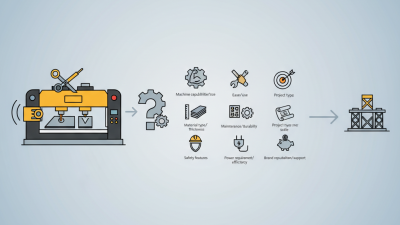
Industry expert Dr. James McCarthy states, "The evolution of plasma tables is revolutionizing manufacturing efficiency." His insights emphasize the shift towards automation and innovation. Buyers must consider factors such as cutting thickness, table size, and software compatibility when selecting the right plasma table.
While many options are available, the best choice varies based on specific needs. Some plasma tables may excel in industrial-grade performance, while others focus on hobbyist applications. This variability can lead to confusion, underscoring the importance of research. Ultimately, choosing a plasma table requires careful evaluation of both technical specifications and real-world applications.
Key Features to Consider When Choosing a Plasma Table
When selecting a plasma table, key features are crucial for maximizing performance. First, consider the cutting area size. A larger cutting bed accommodates bigger projects. Data from industry reports indicate that the global plasma cutting market is expected to grow at a CAGR of 5.2% by 2026. This growth drives demand for versatile tables.
The type of plasma technology plays a significant role as well. Users should evaluate both air and high-definition plasma options. High-definition technology provides cleaner cuts and finer details, which is essential for intricate designs. Additionally, table mobility is another factor. Fixed tables may restrict workflow. Mobility enhances the flexibility of your workspace.
Software compatibility should not be overlooked. Advanced machines come with various software options for different cutting needs. Customers often face challenges when software isn’t user-friendly. Operational training can improve efficiency but isn’t always readily available. As always, weighing these features against specific project requirements can lead to better purchasing decisions in 2026.
Top Plasma Table Brands to Watch in 2026
As we look towards 2026, the plasma table market is evolving rapidly. Buyers should be aware of the top brands offering innovative features. Many manufacturers are focusing on enhancing user experience and efficiency. It's essential to choose brands that prioritize quality and customer support. Some tables now integrate smart technology that improves precision and planning.
Not all brands will meet your expectations. Some may promise advanced features but deliver inconsistent performance. Researching user reviews can help you identify reliable options. Look for brands that have garnered positive feedback for durability and service. A well-rounded plasma table should simplify your workflow, so functionality is key.
Cost is always a consideration. Many buyers struggle to balance quality with budget constraints. While premium options may seem attractive, affordability doesn't have to mean sacrificing performance. Identifying essential features before purchase can lead to better decision-making. Remember, investing in a quality plasma table pays off in the long run, but the right brand is crucial for success.
Comparison of Plasma Table Sizes and Capabilities
In 2026, selecting the right plasma table will heavily depend on size and capabilities. The average table size ranges from 4x4 feet to 10x50 feet. Larger formats allow for bigger projects, while smaller tables are more economical. Industry data suggest that 60% of buyers prioritize workspace efficiency. Compact models often fit smaller workshops but may limit production volume.
The capabilities of plasma tables vary significantly. Cutting speeds range from 100 inches per minute to over 600 inches per minute, impacting productivity. Advanced models offer automation features, enhancing precision and reducing manual labor. Reports indicate that automation can improve cutting accuracy by up to 30%. Buyers should also consider material versatility, as some tables are designed for steel, while others can handle aluminum or stainless steel.
However, not all tables perform equally. The consistency of cut quality remains a concern among users. Some tables may produce rough edges, leading to increased post-processing time. Users often reflect on their experiences, noting that investing in a higher-quality machine can yield long-term benefits. Balancing current needs with future growth is crucial when choosing a plasma table.
User Reviews and Testimonials on Leading Plasma Tables
User reviews play a vital role in selecting the right plasma table. Many users have shared their experiences after using these tables for various applications. For instance, one user noted improved precision in cutting intricate designs. Their feedback highlights the importance of stability and speed in operations. Sometimes, however, they found that the software could be challenging to navigate, leading to frustrations during initial setup.
Testimonials from different users reveal diverse preferences. Some appreciate the user-friendly interface, while others emphasize the durability of their machines. A few mentioned encountering inconsistencies in service support. This can be a crucial factor for buyers who rely on timely assistance. On the other hand, several users reported a marked enhancement in productivity after switching to a specific table model. Yet, not all feedback is glowing; some users have pointed out maintenance issues that require attention over time.
Exploring these reviews allows potential buyers to make informed decisions. Users often recommend researching features specific to individual needs. Collecting insights on reliability and overall performance can reduce the risk of unsatisfactory purchases. Ultimately, user feedback serves as a guide, highlighting both the strengths and potential areas for improvement in plasma tables, making it essential to consider all aspects before investing.
Pricing Trends for Plasma Tables in the Global Market
In 2026, understanding pricing trends for plasma tables is crucial for global buyers. As demand increases, many factors influence prices. Components, technology, and market fluctuations play significant roles. Buyers should anticipate a range of prices depending on specific features, size, and capabilities.
Tips for buyers: Research the latest technology available. The features of plasma tables can vastly differ. Understanding your needs is essential. Some tables are designed for industrial purposes, while others cater to smaller projects. It's wise to compare options thoroughly. Consider cost versus performance carefully.
Keep in mind that price is not always indicative of quality. Sometimes, lower-priced models meet basic requirements sufficiently. However, investing in advanced technology might offer better long-term value. Be wary of trends and fads in the market. Just because something is popular does not mean it is the best choice for you. Balancing budget and functionality requires careful consideration.
Top 10 Plasma Table Pricing Trends (2026)
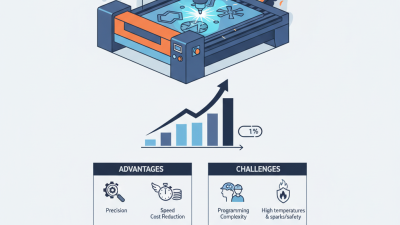
The chart below illustrates the projected pricing trends of plasma tables in the global market for 2026. Data shows a significant variation in prices across different specifications and features, reflecting market demand and technological advancements.