What is WPC Decking and Why is it the Best Choice?
Wpc Decking, or Wood Plastic Composite decking, has gained significant popularity in recent years. Its unique combination of wood fibers and plastic provides durability and aesthetic appeal. According to a report by the Research Institute for Manufacturing, the WPC decking market is projected to grow by 20% annually through 2025. This growth is driven by the increasing consumer demand for sustainable and low-maintenance outdoor solutions.
Dr. Emily Anderson, a leading expert in the WPC industry, states, “WPC decking offers unmatched resistance to weather and insects, making it a top choice for homeowners.” This durability translates into cost savings over time, yet some users still face challenges. For instance, proper installation is crucial to avoid warping or gaps. Attention to detail during the installation process can prevent future issues.
WPC decking is an environmentally friendly alternative. It reduces waste by utilizing recycled materials. Despite its many benefits, potential buyers should consider the initial investment. While the upfront cost is higher than traditional wood, the lifespan and low maintenance needs often justify the expense. Choosing WPC decking could very well enhance outdoor living spaces for years to come.
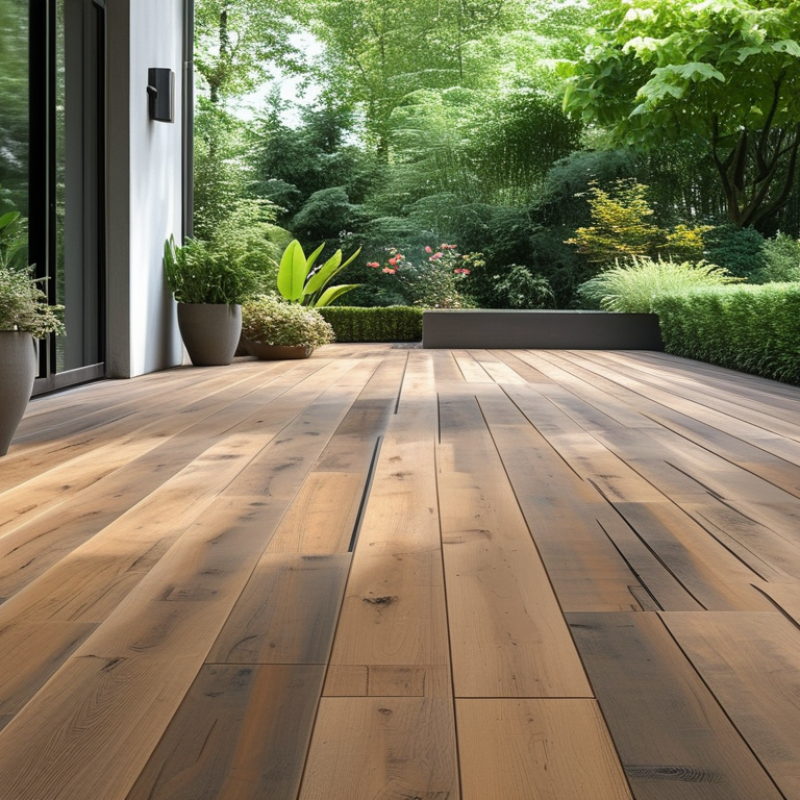
What is WPC Decking and Its Composition
WPC decking, or Wood-Plastic Composite decking, combines wood fibers with recycled plastic materials. This mixture creates a durable and eco-friendly alternative to traditional wood decking. Research indicates that WPC materials can last up to 25 years with proper care, making them a reliable choice for homeowners. The unique composition of WPC decking offers resistance to weather, pests, and decay, which are common issues with natural wood.
The materials in WPC decking typically include around 50% wood flour, 30% recycled plastic, and 20% additives for binding and coloring. These ratios contribute to the decking's structural integrity and aesthetic appeal. Recent industry reports show that WPC decking installations are growing by approximately 10% annually. Consumers appreciate its low maintenance requirements, contrasting sharply with wood’s need for sealing and staining.
Despite the advantages, WPC decking has some drawbacks. It can fade with prolonged sun exposure, requiring periodic maintenance to keep its appearance. Some users also report that WPC can feel less natural underfoot compared to solid wood. Understanding these aspects helps consumers make informed decisions regarding their decking options.
Key Advantages of WPC Decking Over Traditional Materials
WPC decking, or Wood Plastic Composite decking, has gained popularity in recent years. Its key advantages over traditional materials like wood and PVC are hard to overlook. For instance, according to a recent report by MarketsandMarkets, the WPC market is projected to reach $9.5 billion by 2025, reflecting its growing acceptance in outdoor construction.
Durability is a major advantage of WPC decking. Unlike traditional wood, it resists rot, mold, and insect damage. This resistance can reduce long-term maintenance costs. A study by the American Society for Testing and Materials indicated that WPC products can last up to 25 years with minimal upkeep. This lifespan is significantly longer than conventional wood, which can deteriorate quickly without regular treatment.
WPC decking is also more environmentally friendly. It utilizes recycled wood fiber and plastic, reducing reliance on virgin materials. The use of recycled content can lower energy consumption by up to 30%, according to the U.S. Environmental Protection Agency. Although there are concerns regarding the recycling processes and product lifecycle, the overall eco-benefits can outweigh these issues for many homeowners and builders.
Durability and Maintenance Benefits of WPC Decking
WPC decking, or wood-plastic composite decking, combines natural wood fibers with recycled plastics. This unique blend offers remarkable durability. Unlike traditional wood, WPC is resistant to warping, splintering, and decay, making it an ideal choice for outdoor spaces.
Maintenance is another area where WPC decking excels. It requires minimal upkeep compared to conventional materials. You won’t need to sand, stain, or seal it annually. A simple wash with soap and water keeps it looking fresh. However, some people notice that debris can accumulate in the grooves. Regular cleaning is needed to avoid this buildup.
In terms of longevity, WPC decking can last for decades if maintained properly. Still, it can fade over time due to sun exposure. It’s a good practice to consider using protective coatings if you live in an area with intense sunlight. This small step can help maintain its appearance.
Environmental Impact and Sustainability of WPC Decking
WPC decking combines wood and plastic to create a sustainable outdoor flooring option. One of its key benefits is its reduced environmental impact. According to a report by the Forest Stewardship Council, using WPC results in 30% less carbon dioxide emissions compared to traditional wood decking. The incorporation of recycled materials also plays a significant role in sustainability.
Manufacturing WPC decking requires less energy. The U.S. Department of Energy states that the production of WPC can reduce energy consumption by up to 50% in comparison to conventional wood. This efficiency not only conserves resources but also supports a more sustainable lifecycle. However, recycling WPC at the end of its life cycle remains a challenge. Efforts are underway to improve this aspect.
While WPC decking offers many advantages, it is crucial to consider its durability issues. Over time, exposure to UV rays can lead to fading and wear. A study from the American Society for Testing and Materials highlights that 20% of WPC products show signs of degradation within a decade. This raises questions about longevity despite initial advantages. Continuous improvement in material technology is essential for enhancing performance.
Applications and Design Options for WPC Decking
WPC decking is gaining popularity in outdoor spaces due to its versatility. It combines wood fibers and plastic, creating durable boards for various environments. You can use WPC decking in residential backyards, commercial patios, and poolside areas. Its slip-resistant surface makes it ideal for locations near water.
The design options are vast. Homeowners often choose natural wood textures and rich colors to complement landscaping. Some prefer lighter tones for a modern look. You can also find profiles and finishes that mimic traditional wood grain. Customization is possible, although not always perfect. Sometimes, the color may fade under intense sun exposure, requiring periodic maintenance.
While WPC decking is highly regarded, it has its drawbacks. Installation requires precision to ensure a seamless appearance. Improper installation can lead to gaps or uneven surfaces. Additionally, while it resists moisture, it can still warp if not cared for properly. These factors are essential when considering WPC decking for your project.