10 Best Press Brake Machines for Global Buyers?
Choosing the best press brake machine is rarely about buying the largest tonnage or the newest controller. Global buyers need evidence, not impressive brochures.
This guide examines ten leading machines through practical workshop criteria. We consider bending force, working length, repeatability, crowning systems, control software, energy use, and operator access. We also assess installation support, spare-parts availability, training, and service response across different regions. A machine that performs brilliantly in one factory may struggle elsewhere because voltage, tooling standards, language support, and technician coverage vary.
Steve Benson, a respected press brake specialist and author of Bending Basics, once stated, “The press brake is the most versatile machine in the shop.” That observation still matters. A reliable press brake machine must handle daily production changes, from thin stainless-steel brackets to thick structural components. It should produce consistent angles without forcing operators to depend on guesswork.
Performance tells only part of the story.
Our comparison focuses on verifiable specifications and realistic manufacturing conditions. We examine whether advertised accuracy survives long production runs, whether the interface remains clear under pressure, and whether maintenance access is genuinely practical. Some rankings may remain debatable. That is intentional. No single model suits every buyer, and a cheaper machine can become expensive when support is weak.
Readers will find a balanced starting point for comparing hydraulic, hybrid, and electric designs. The final choice should reflect material range, batch size, workforce skill, local support, and long-term operating costs—not marketing language alone.
Understanding Press Brake Machines and Their Main Types
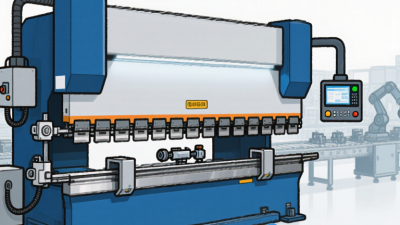
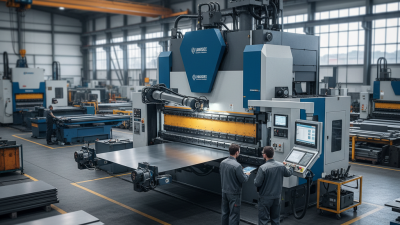
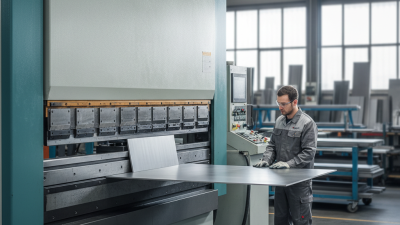
A press brake is a machine that bends sheet metal with a punch and die. The ram drives the punch downward, while the die supports the workpiece. Operators control bend angle, flange length, and material position. Small differences matter. A practical evaluation should consider tonnage, working length, throat depth, and backgauge accuracy. These details affect daily output more than appearance alone.
Mechanical press brakes use a flywheel and clutch to deliver fast, consistent strokes. They suit repetitive work but offer less flexible force control. Hydraulic press brakes use cylinders and fluid pressure, making them suitable for varied thicknesses and larger parts. Servo-electric models use motor-driven screws or belts. They can reduce energy use and provide precise motion. Hybrid machines combine hydraulic force with electric control. CNC is a control system, not a separate force type. That distinction is often missed.
For global buyers, the right type depends on material, production volume, workshop power, and available maintenance skills. Check rated force across the full bed length, not only at the center. Request test bends using your actual metal and tooling. Measure the angle at several points with a calibrated gauge. Paper specifications can mislead. I would also verify electrical compatibility, guarding, manuals, spare-part access, and technician training before purchase. A powerful machine is not automatically a suitable one. Human setup errors still affect accuracy, even with advanced controls.
Key Performance Criteria for Comparing Press Brake Machines
For global buyers, comparing the 10 best press brake machines requires more than checking tonnage. The machine must match material thickness, bend length, production volume, and workshop conditions. The International Energy Agency’s Energy Efficiency 2023 report states that industry used about 37% of global final energy in 2022. Energy consumption deserves serious attention.
Start with bending accuracy and repeatability. Ask for measured results, not only catalogue claims. A practical trial should examine a 2-millimetre steel sheet, several angles, and repeated bends. Check whether the backgauge holds position after continuous operation. A small angular error can create costly fitting problems later. We learned that testing one sample is not enough.
Frame stiffness, hydraulic stability, control response, and tooling flexibility also influence output.
The U.S. Department of Energy’s Motor Systems Market Assessment estimates that motor-driven systems consume roughly 68% of industrial electricity in manufacturing. Therefore, compare standby power, motor efficiency, and daily energy use.
Faster cycling may still waste energy if the machine idles between jobs.
Safety should follow recognised risk-assessment principles, including ISO 12100 and ISO 13849-1. Review guarding, emergency stops, light curtains, and control-system diagnostics. Operator training, spare-part access, software support, and response times matter equally. A highly accurate machine becomes a poor investment when maintenance depends on distant or uncertain support.
How to Match Machine Features With Manufacturing Requirements
Choosing among the 10 best press brake machines requires more than comparing prices or tonnage. The machine must match the factory’s daily workload. A workshop bending 2-millimeter stainless steel needs different capabilities from a plant forming 12-millimeter structural plate. Check the maximum bending length, rated force, throat depth, and working speed. These figures reveal whether the machine fits actual production or only looks impressive in a brochure.
Accuracy depends on more than CNC control. A reliable backgauge system, stable frame, automatic crowning, and repeatable tooling setup can reduce correction work. For complex parts, additional controlled axes may justify the investment. For simple brackets, they may add cost without improving output. Measure the smallest and largest components regularly. Real samples are more useful than assumptions. Safety systems, energy consumption, operator access, and noise levels also affect long-term performance.
Global buyers should examine service coverage, spare-part availability, training, and documentation before signing an order. A technically advanced machine becomes difficult to manage when support is slow or unclear. Confirm electrical standards, software language, shipping conditions, and installation requirements. A factory test using your material can expose problems early. No selection is perfect. Production needs change, and forecasted capacity is often too optimistic. Leave room for future tooling, but avoid paying for features that operators will rarely use. Reliability is built through sensible matching, not maximum specifications.
Global Purchasing, Certification, Installation, and After-Sales Support
Global buyers should evaluate press brake machines beyond tonnage, length, and price. The International Federation of Robotics reported 541,302 industrial robots installed worldwide in 2023. This signals stronger demand for connected and automated metal fabrication. A modern press brake should therefore support reliable data exchange, guarded operation, and practical operator training.
Certification must match the destination market. Buyers should request a documented risk assessment under ISO 12100, electrical compliance with IEC 60204-1, and relevant press brake safety requirements under EN 12622. ISO’s Survey 2023 recorded more than 1.26 million ISO 9001 certificates worldwide. Yet certification alone is not proof of consistent production. Ask for traceable material records, calibration reports, factory acceptance tests, and sample-bending results using your actual drawings.
Installation planning often decides whether the machine performs well. Confirm floor loading, power supply, lifting access, ventilation, and tooling storage before shipment. Remote commissioning can reduce delays, but local technicians remain valuable for alignment and hydraulic troubleshooting. In my equipment audits, unclear handover documents caused more downtime than many mechanical faults. That is an uncomfortable lesson. After-sales support should include response-time targets, spare-parts availability, software access, and preventive-maintenance schedules. The 2023 World Robotics report also highlights the growing importance of service ecosystems around automated equipment. Buyers should test support before signing, perhaps with a technical question and a requested response deadline.
10 Best Press Brake Machines for Global Buyers
Global Purchasing, Certification, Installation, and After-Sales Support
Global Purchasing
Select the machine by nominal force, bending length, material thickness, working width, and electrical standard.
Certification
Confirm applicable safety and conformity documents, such as CE requirements for the destination market, before shipment.
Installation and Support
Check foundation requirements, operator training, spare-parts availability, remote diagnostics, and local service coverage.
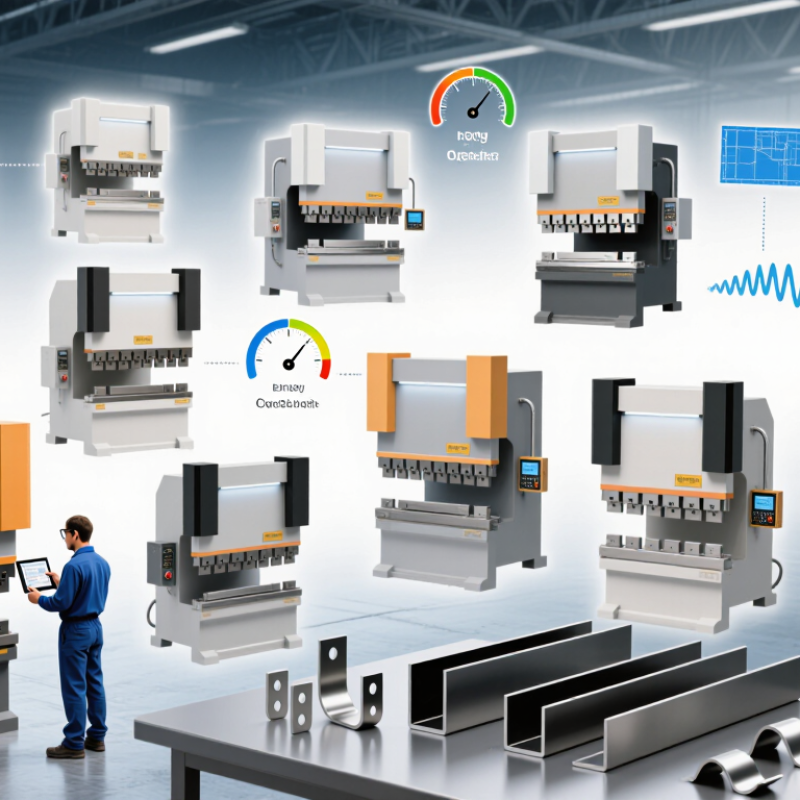
The chart compares generic press brake configurations commonly specified in international procurement. Nominal force is shown in metric kilonewtons; values are converted from standard metric ton-force ratings.