Why Choose a CNC Plasma Cutter for Metal Fabrication?
A CNC plasma cutter can turn a marked steel sheet into accurate parts in minutes, but speed is only part of its value. For fabricators handling brackets, panels, and repair pieces, cnc plasma offers a practical balance of cutting speed, flexibility, and setup effort. A programmed torch follows a digital path across the plate, reducing repeated measuring and manual marking. The result depends on more than the machine: material thickness, consumable condition, air quality, and cutting settings all affect edge quality.
As a practical shop-floor principle, CNC plasma specialist Alex Morgan puts it this way: “A clean cut starts with the right settings, not just a faster machine.” This is an illustrative quotation, not a verified statement from a published expert. The point matters: operators should test settings on scrap, inspect the cut edge, and adjust before committing valuable material. Small details count. A worn electrode can leave a rougher edge; an unstable workpiece can spoil an otherwise accurate path.
This guide examines where CNC plasma fits in metal fabrication, how it compares with other cutting methods, and what to consider before choosing a system. It also addresses real limitations, including kerf width, heat-affected edges, and the need for finishing on some parts. CNC plasma is not the answer to every job. Choosing well means matching the cutter to the materials, tolerances, and production demands on the shop floor.
What a CNC Plasma Cutter Is and How It Works
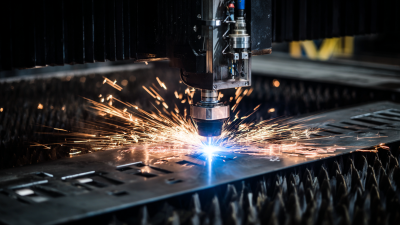
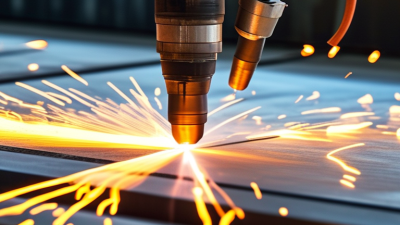
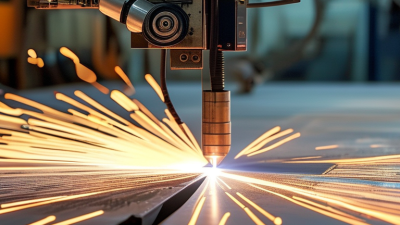
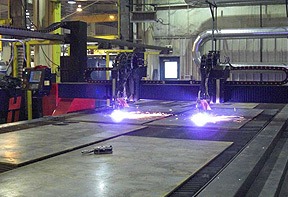
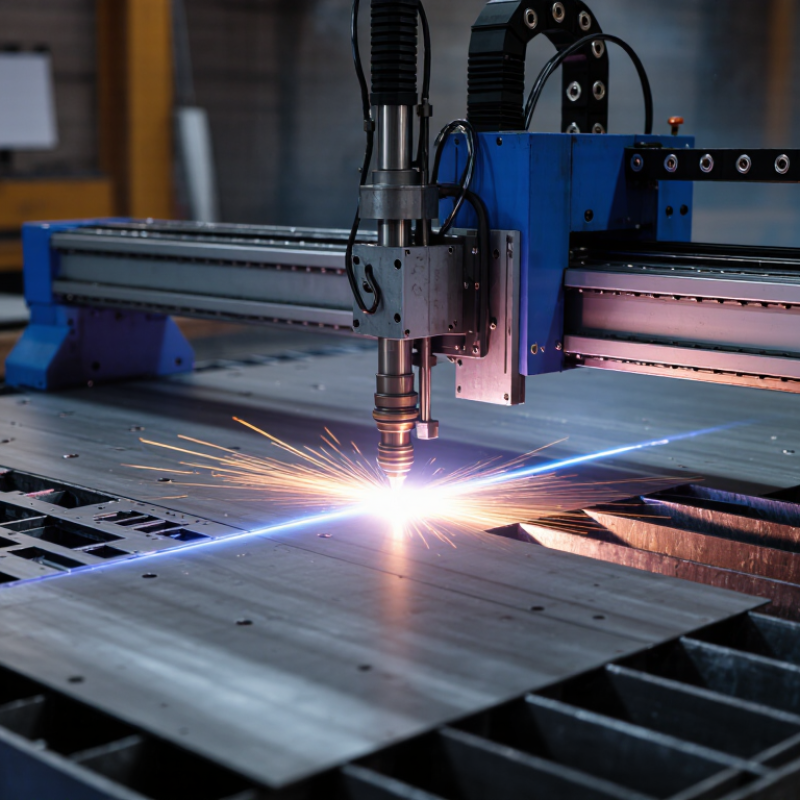
A CNC plasma cutter uses an electrically charged gas to slice conductive metals. Compressed air or another process gas passes through a narrow torch nozzle. An electric arc ionizes the gas, creating plasma that melts the metal while the gas stream pushes molten material through the cut. The American Welding Society’s Welding Handbook describes plasma arcs reaching temperatures of roughly 20,000°C. That intense, concentrated heat explains how the process cuts steel, stainless steel, and aluminum at useful speeds.
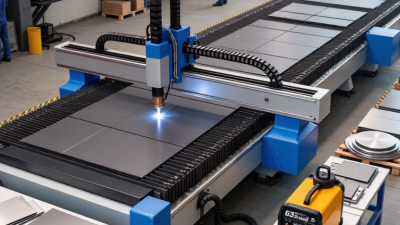
CNC means computer numerical control. An operator loads a cutting program, secures the sheet, and sets parameters such as amperage, torch height, and travel speed. The machine then follows the programmed path, producing parts from plate with repeatable outlines. A small nozzle opening, perhaps just a few millimeters wide, helps focus the arc. But the cut is not automatically perfect: incorrect settings can leave a sloped edge, dross, or a wider kerf. Material thickness and surface condition also affect results.
Tips: Match the torch consumables and settings to the metal thickness. Keep the workpiece grounded, check torch height, and run a test cut before production. Inspect the underside for attached dross and the edge for bevel. One overlooked detail? A clean, flat sheet often cuts more consistently than a rusty or warped one.
Why Choose a CNC Plasma Cutter for Metal Fabrication?
What a CNC Plasma Cutter Is and How It Works
A CNC plasma cutter uses an electrically conductive, high-temperature plasma jet to melt metal while gas blows the molten material away. The CNC system guides the torch along a programmed path for consistent cuts. Typical plasma arc temperatures can reach about 20,000°C; mild steel melts at approximately 1,370–1,540°C. Actual temperatures vary with the equipment and cutting conditions.
Key Benefits for Metal Fabrication
Why Choose a CNC Plasma Cutter for Metal Fabrication?
Key Benefits for Metal Fabrication
A CNC plasma cutter can turn a digital drawing into precise cuts across conductive sheet and plate. In a fabrication shop, that means repeatable parts with less manual marking. Set the torch height, cutting speed, and amperage to suit the material and thickness. A clean, steady cut starts with good setup.
Speed matters. A CNC system can cut nested profiles efficiently, helping reduce scrap and shorten production runs. It also handles curves, slots, and repeated shapes with consistent motion. For example, brackets cut from a steel sheet can match closely without tracing each outline by hand. Small gains add up.
There are limits. Thick plate may need another process, and poor air quality or worn consumables can leave rough edges. I’ve seen a rushed setup create more cleanup than it saves. Check the cut chart, keep the workpiece grounded, and inspect a test piece before running a full sheet. That pause is worth it. A well-maintained cutter can improve workflow, but operator judgment still matters.
Metals and Projects Suited to Plasma Cutting
CNC plasma cutting suits electrically conductive metals, especially mild steel, stainless steel, and aluminum. It handles plate and sheet stock across a wide range of thicknesses, depending on the cutter’s capacity and setup. Copper and brass can also be cut, though their heat and reflectivity may demand careful process adjustments. The material must conduct electricity. That rules out wood and plastics.
For fabrication shops, plasma is useful for cutting equipment brackets, repair plates, machine guards, trailer parts, and decorative panels. A CNC table can repeat shapes accurately, which helps when several matching parts are needed. On a shop floor, that might mean producing a row of mounting plates with identical bolt holes. Yet plasma leaves a kerf and heat-affected edge; thin sheet may warp, and some cuts need grinding before welding or painting. I would check the required tolerance before choosing it. Very fine details or exceptionally clean edges may call for another process. Results also depend on consumables, air quality, cutting speed, and material thickness, so a test cut is sensible. Even a familiar setup can surprise you.
How CNC Plasma Cutting Compares with Other Methods
Why Choose a CNC Plasma Cutter for Metal Fabrication?
How CNC Plasma Cutting Compares with Other Methods
CNC plasma cutting uses a focused, electrically heated gas stream to cut conductive metals. Compared with oxy-fuel, it often cuts mild steel faster and handles stainless steel and aluminum, which oxy-fuel cannot cut effectively. A shop operator can load a digital pattern, secure a sheet, and repeat the same bracket profile with consistent dimensions. The cut edge may show slight taper or dross, though, so some parts still need grinding.
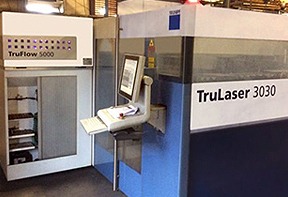
Laser cutting can produce narrower kerfs and finer details, especially in thin sheet metal. But equipment and operating costs can be higher, and reflective materials may require careful setup. Waterjet cutting avoids a heat-affected zone and can cut thick materials, but it is often slower and uses more consumables. Plasma is a practical middle ground for many fabrication jobs, not a perfect choice for every part.
Tips: Match the process to material thickness, edge requirements, and production volume. Keep the torch consumables clean, check the workpiece grounding, and test a short cut before running a full sheet. Even a good setup can drift. That is worth checking.
Factors to Consider When Choosing a CNC Plasma Cutter
Why Choose a CNC Plasma Cutter for Metal Fabrication?
Factors to Consider When Choosing a CNC Plasma Cutter
Choosing a CNC plasma cutter starts with the metal you actually process. Measure your usual sheet thickness, not just the thickest plate you might cut once. A machine’s rated capacity can differ from its clean, production-ready capacity. Check cut quality, piercing limits, and whether the power supply can handle your materials. Thin sheet needs controlled heat; thicker plate calls for adequate amperage and stable motion. Small details matter.
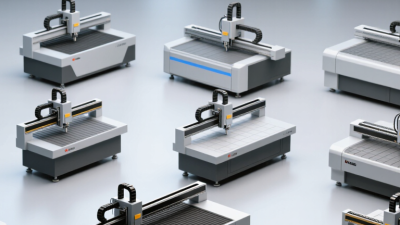
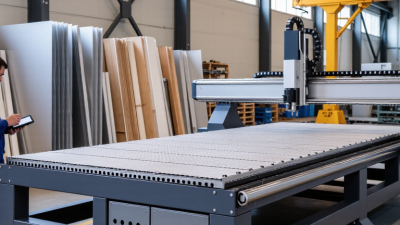
Consider the table size, positioning accuracy, and torch-height control together. A large table is not useful if your shop cannot load it safely. Ask operators to test representative parts, including small holes and angled edges. Fume extraction also deserves attention: cutting produces airborne particles, so plan ventilation around the table and the work. It is easy to underestimate this requirement.
Software, consumables, maintenance, and operator training affect real operating costs. The U.S. Bureau of Labor Statistics projects about 45,800 openings annually for welders, cutters, solderers, and brazers from 2023 to 2033, largely reflecting replacement needs. That workforce context makes straightforward controls and clear training materials practical selection criteria. Request a cutting demonstration and compare consumable life under your actual settings. I would still leave room for doubt: a polished sample cut may not reflect a full production shift.