Top 10 Plasma Tables for Global Buyers
A plasma table can look simple on a showroom floor: a steel bed, a torch, and a control screen. The real buying decision is less tidy. Global buyers must match cutting capacity, electrical supply, software, service, and operating costs to the work they actually perform. A machine built for occasional brackets may struggle with thick plate or long production shifts. That matters.
Plasma-cutting applications specialist Jim Colt has shared extensive technical guidance on matching equipment and settings to cutting needs. A practical summary of that guidance is: “Choose the system around the material, thickness, and production demands—not the sales brochure.” This is a paraphrase, not a verbatim quotation. It points to the questions behind this Top 10 comparison: What is the usable cutting area? Is torch height control included? Can local technicians supply consumables and support? Buyers should also check voltage compatibility, fume-management provisions, shipping terms, and warranty coverage before comparing prices.
The models in this guide are assessed through practical features, not headline claims alone. We consider cut quality, frame construction, CNC controls, setup demands, and access to replacement parts. Details vary. A lower-priced table may suit a workshop, while a higher-capacity model may better serve repeat production. No ranking fits every buyer perfectly; regional service information can also be incomplete. Use the shortlist as a starting point, then confirm specifications with the manufacturer and test them against your own materials, workflow, and budget.
Understanding Plasma Tables and Their Role in Metal Fabrication
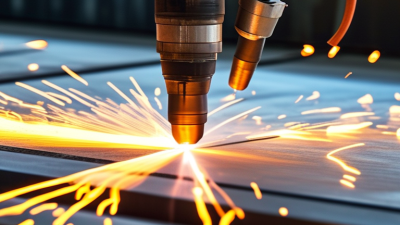
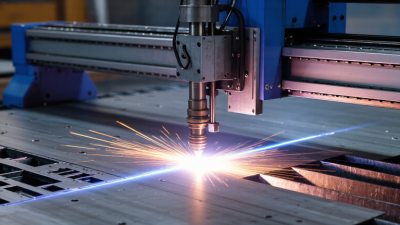
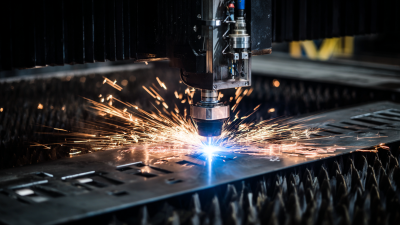
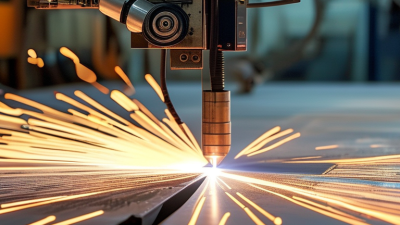
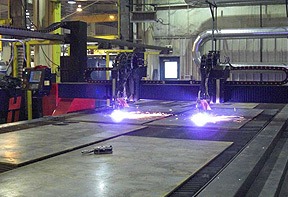
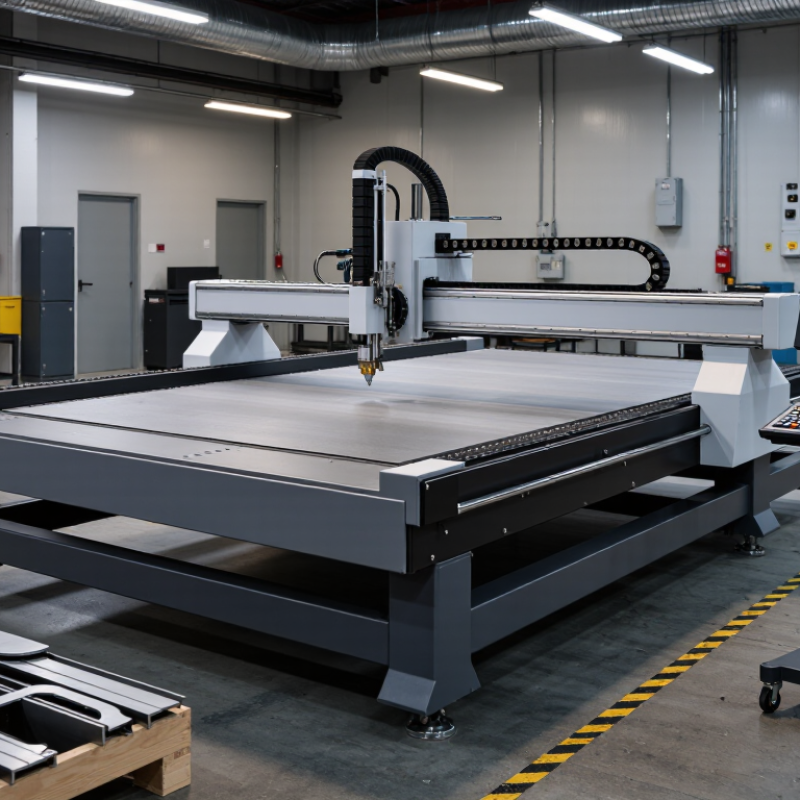
A plasma table combines a cutting torch, a flat work surface, and motion controls to shape conductive metals. In fabrication shops, it can cut steel plate into brackets, panels, and machine parts. A computer-guided torch follows a programmed path, helping repeat shapes with consistent dimensions. The cut edge still depends on material thickness, torch settings, and the condition of consumables. Small errors matter.
For global buyers, the table’s working area, cutting capacity, control system, and service support deserve close attention. A large bed is useful for full sheets, but it also needs adequate floor space and material-handling equipment. Fume extraction and suitable operator protection are essential parts of the setup, not optional extras. Plasma cutting is versatile, though it may leave dross or angled edges that need cleanup. One easy-to-miss point: advertised speed does not always mean a cleaner or cheaper finished part.
Tips: Compare sample cuts made on your intended metal and thickness. Ask about replacement parts, training, and local technical support. Check power requirements before installation. A little planning helps; still, the best setup depends on the shop’s actual workload.
Key Criteria for Evaluating Plasma Tables Across Global Markets
A plasma table should match the work, not just the largest plate in its brochure. World Steel Association’s World Steel in Figures 2025 reports 1,882.6 million tonnes of crude steel production in 2024. That scale signals broad demand, but buyers still need to assess their own materials, shift patterns, and local service access. Measure the common sheet size, maximum thickness, and smallest repeatable feature before comparing machines. Peak amperage alone tells little. Check cut charts and duty-cycle ratings at the thickness you actually run.
Cut quality needs a repeatable test. ISO 9013:2017 provides quality classifications for thermal cuts, including geometric characteristics; ask suppliers for sample cuts and the measurement method used. Inspect edge angle, dross, kerf width, and hole roundness under your own settings. Small holes expose weak process control. They also reveal when slower cutting is necessary. A neat showroom sample is not enough.
For cross-border purchasing, verify input voltage and frequency, extraction requirements, software units, and consumables availability in the destination region. Compare total ownership costs, including installation, training, filters, and expected downtime—not only the quoted table price. Request a written service-response plan and confirm who handles troubleshooting across time zones. These details sound mundane. They are often where planning gets thin. If production mixes thin sheet with thick plate, ask for separate validated settings rather than trusting one advertised maximum.
Common Plasma Table Types and Their Industrial Applications
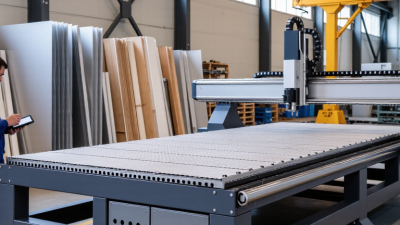
Plasma tables vary by cutting method, bed design, and production needs. CNC plasma tables suit repeatable work, such as cutting brackets, panels, and machine components from sheet metal. Their programmed torch paths help maintain consistent shapes across batches. Compact manual tables are useful for repair shops and smaller jobs, though they offer less automation.
Downdraft tables draw smoke and fine particles through the cutting bed, making them a practical choice for frequent indoor production. Water tables use a water surface beneath the workpiece to capture some debris and reduce heat distortion. They can suit shops cutting thin or medium-gauge steel, but water care and rust prevention need attention. Portable tables bring plasma cutting to maintenance areas or job sites. Bevel-capable systems can prepare edges for welding, but they require careful setup and operator skill.
Tips: Match the table’s cutting area to your largest common part, not just the average one. Check the recommended extraction method, power requirements, and material thickness range. No table fits every workflow. A water bed may control dust, yet it can complicate handling; downdraft extraction may need regular filter checks. Small compromises are easy to overlook.
Top 10 Plasma Table Formats for Global Buyers
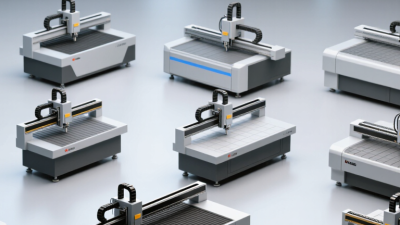
Working areas are calculated from the nominal bed dimensions shown; they are format examples, not performance ratings. Compact tables suit repair work and small parts, while larger formats support sheet-metal fabrication, structural components, and production cutting. Water beds and downdraft systems are extraction options that can be used with different table sizes.
A Comparative Overview of Ten Plasma Tables for Global Buyers
A comparative overview of ten plasma tables should begin with the work each setup can handle. Compact tables suit occasional signs and small brackets, while larger gantry designs accommodate full sheets and longer cuts. Four configurations may share a similar footprint yet differ in bed support, torch clearance, and material handling. Check the usable cutting area, not just the advertised table size. That matters.
Among the ten, downdraft and water-based beds manage smoke and debris differently. Downdraft systems need suitable extraction; water beds require attention to water level and cleanup. Manual loading keeps simpler setups practical for lighter work, while mechanized handling can help shops processing heavy plate. Compare motion control, torch height adjustment, consumable access, and software compatibility. A polished specification sheet may still leave out setup time or service availability. Those details deserve questions.
For global buyers, verify electrical requirements, included accessories, shipping dimensions, and the availability of local technical support. Ask for sample cut results using material close to your own thickness and grade. A fine edge on thin steel does not prove the same quality on thicker plate. Budget for ventilation, maintenance, and operator training as well as the table. Some comparisons remain imperfect because manufacturers describe capacity differently; record each figure and confirm how it was measured.
How to Choose a Plasma Table for Your Production Requirements
Top 10 Plasma Tables for Global Buyers
How to Choose a Plasma Table for Your Production Requirements
A plasma table should match the work you actually run, not just the thickest plate in its brochure. List your common materials, thicknesses, sheet sizes, and daily cutting hours. Then compare usable bed area, pierce capacity, cut quality, positioning accuracy, and consumable costs. A table rated for occasional heavy cuts may struggle with repeated production runs. Watch a real cutting demonstration. Inspect the edge, dross, and hole quality on your own material.
Tips: Ask for a timed sample cut. Include loading, unloading, and fume extraction in your cycle-time estimate. A fast torch is not the whole production system.
Regional demand also affects what “production-ready” means. The World Steel Association’s October 2024 Short Range Outlook forecast global steel demand at 1.75 billion tonnes in 2024. That scale signals a broad market, not a guaranteed workload for any one shop. Choose capacity from your orders and shift pattern. Check whether the controller supports your operators’ workflow, and confirm local service access before purchase. Review the table’s footprint, power needs, and ventilation requirements against your actual facility. Small details matter. I would still leave room for a little uncertainty: job mixes change, and quoted throughput may not match a busy shop floor.